
Shrubs
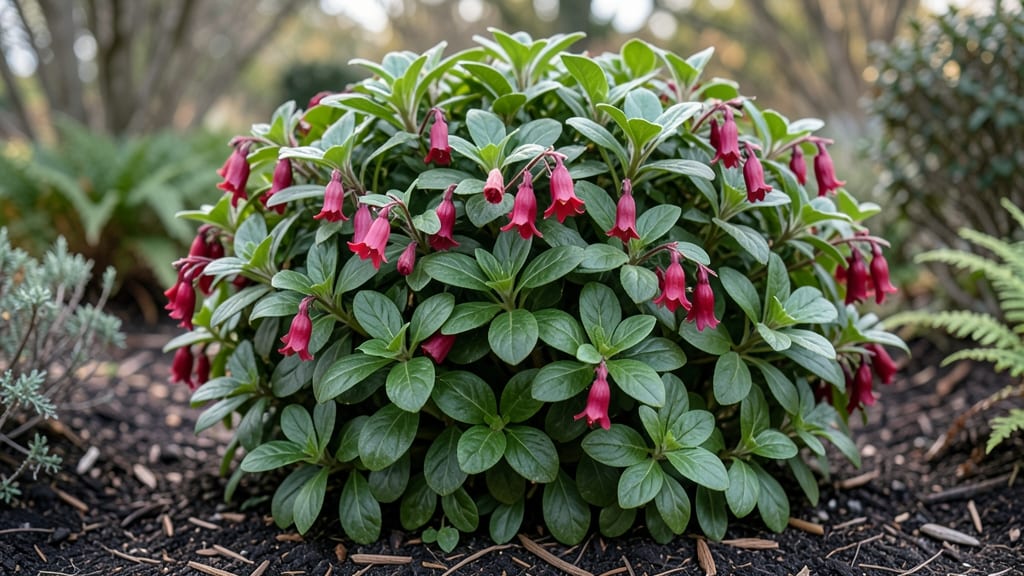
Red flowers on evergreen shrubs create a striking winter display that stops neighbors in their tracks. ✨ These plants bring bold color when most gardens are asleep, and they thrive without the hassle of thorns or messy cleanup.
My front yard's fire-thorn pyracantha still bursts with berries in December, while the dwarf pieris adds delicate crimson blooms in early spring—both need almost no care beyond pruning once a year.
The best part? You can use them as year-round hedges, dramatic focal points, or even underplanting for perennials. A skimmia's deep red clusters pair perfectly with hellebores and ferns, while coralberry's arching branches create a natural privacy screen with vibrant fall color too.
They handle shade better than most flowering shrubs, making them ideal for tricky spots under trees or along north-facing walls.
Imagine walking past your garden in January and seeing rich red blooms against evergreen foliage—it’s the kind of impact that makes gardening feel like magic.
These shrubs stay compact enough for small yards but scale up for larger landscapes, and their low-maintenance nature means more time enjoying the view than fussing with them.
For maximum drama, plant them in odd-numbered groups (3 or 5) rather than straight lines, and mix heights for texture. A single coralberry as a container specimen on a patio can transform the space, while a row of pieris along a driveway creates a welcoming tunnel of color.
The key is letting their natural shapes guide placement—no strict rules, just bold impact.
📚 In This Guide
- What you need
- Instructions
- Tips and common mistakes
- Wrapping up and next steps
What you need
- ● Evergreen shrubs with red flowers: 3–5 mature plants (e.g., Rhododendron, Pieris japonica, or Viburnum bodnantense—check local nurseries for thorn-free varieties).
- ● High-quality potting soil: 5–10 gallons (ensure it’s well-draining and slightly acidic, pH 4.5–6.0).
- ● Organic mulch: 2–3 cubic feet (pine bark or shredded leaves work best).
- ● Slow-release fertilizer: 1–2 bags (10-10-10 or acidic blend for evergreens).
- ● Pruning shears: 1 pair (bypass pruners for clean cuts).
- ● Garden gloves: 1 pair (to protect hands from soil and sharp edges).
- ● Hand trowel or spade: 1 (for digging holes).
- ● Watering can or hose with nozzle: 1 (for gentle hydration).
- ● Measuring tape: 1 (to space plants 3–6 feet apart, depending on variety).
- ○ Optional: Soil pH test kit (to confirm acidity levels).
- ● Drip irrigation kit (for automated watering).
- ● Decorative stones or edging (for a polished look).
- ● Sunlight access: Partial shade to full sun (6+ hours/day for most varieties).
- ● Well-draining soil: Amend clay soil with compost or sand if needed.
- ● Local climate check: Ensure your zone (e.g., USDA 5–9) matches the shrub’s hardiness.
Step-by-step guide to selecting and planting evergreen shrubs with red flowers
Here's how to choose, plant, and maintain bold, thorn-free evergreen shrubs that deliver striking red blooms year-round.
🌿 Step 1: Choose the Right Evergreen Shrubs for Your Climate
Start with hardy evergreen shrubs that thrive in your USDA zone and offer vibrant red flowers. Top performers include Pieris japonica (Andromeda), Rhododendron 'Nova Zembla', and Viburnum 'Crimson Beauty'. These varieties stay lush year-round without thorns while delivering bold red blooms in spring or summer.
Check your local frost dates—most evergreens need at least 6 months of frost-free growing season. If you're in a colder zone, opt for Pieris, which tolerates down to -15°F. Warmer climates suit Viburnum, which handles up to 90°F summer heat. Always verify the mature size to avoid overcrowding.
🌱 Step 2: Prepare the Planting Site for Optimal Growth
Evergreen shrubs with red flowers thrive in partial shade to full sun, depending on the variety. Pieris prefers morning sun and afternoon shade, while Viburnum handles full sun in cooler climates. Test your site's moisture—these shrubs dislike soggy roots but need consistent water.
Amend native soil with 2-3 inches of organic matter like compost or peat moss. Dig a hole twice as wide as the root ball but only as deep. Loosen the roots gently if pot-bound. The top of the root ball should sit 1 inch above ground level—this prevents water pooling and potential rot.
☀️ Step 3: Plant and Water for Immediate Establishment
Place the shrub in the hole, backfill with native soil, and tamp lightly to remove air pockets. Water deeply to settle the soil and eliminate gaps. Use 1-2 gallons of water per shrub immediately after planting. Mulch with 2-3 inches of pine bark or shredded leaves to retain moisture and protect roots.
Keep soil evenly moist for the first 4-6 weeks—you'll know it's right when the top inch feels damp but not soggy. Avoid overwatering; evergreens are drought-tolerant once established. If leaves yellow, you're likely overwatering or planting in heavy clay soil.
✂️ Step 4: Prune and Maintain for Year-Round Color
Prune right after flowering to shape the shrub and encourage dense growth. Remove no more than 1/3 of the plant at a time. For Pieris, trim leggy stems to promote bushier growth. Viburnum benefits from light pruning to open the center for better air circulation.
Fertilize lightly in early spring with slow-release acid fertilizer (pH 5.0-6.0). Evergreens with red flowers need moderate nutrients—too much fertilizer leads to weak blooms. Watch for pests like spider mites; a strong spray of water usually clears them without chemicals.
⏰ Step 5: Plan for Seasonal Care and Long-Term Beauty
In winter, protect young shrubs from winter burn by applying 2-3 inches of mulch around the base. Older plants usually handle winter well. Prune again in late winter to remove dead or crossing branches before new growth starts.
Rotate your shrubs every 3-5 years if planting multiple varieties for balanced color. Pieris blooms earliest, followed by Viburnum—this staggered display keeps your garden vibrant from late winter through summer. With proper care, these shrubs will reward you with decades of bold red flowers and lush foliage.
Tips & tricks for perfect evergreen shrubs with red flowers
Here's what nobody tells you about planting evergreens that actually makes the difference between a garden that looks good and one that stands out.
Climate Matching: When selecting shrubs, verify your USDA zone and match it precisely with the hardiness of your chosen variety. For example, Pieris japonica thrives in zones 5-7 and can handle temperatures down to -15°F, while Viburnum 'Crimson Beauty' prefers zones 6-9 with summer heat tolerance up to 90°F. I once planted Rhododendron 'Nova Zembla' in zone 8 without checking—it struggled until I moved it to a slightly cooler microclimate. Always check the mature size too; nothing ruins a landscape faster than overcrowding.
Soil Prep: The 2-3 inches of organic matter you add to your planting hole isn't just filler—it's a game-changer. Mix in compost for nutrients and peat moss for moisture retention, especially in sandy soils. I learned this the hard way after planting in native clay—my Pieris nearly died from poor drainage. The key is to create a well-draining but moisture-retentive environment that mimics their natural forest-floor habitat. Test your soil's pH too; these shrubs prefer acidic soil (pH 5.0-6.0)—a simple soil test kit solves this mystery.
Watering Wisdom: That 1-2 gallons of water per shrub immediately after planting isn't just a suggestion—it's critical for root establishment. Water deeply again after 4-6 weeks when the top inch of soil feels dry, but resist the urge to overwater. Yellowing leaves? You're likely overdoing it. I've seen gardeners drown their evergreens by watering on a schedule rather than checking soil moisture. A moisture meter is worth its weight in gold here—it tells you exactly when to water without guesswork.
Pruning Precision: The right after flowering timing for pruning is non-negotiable if you want next year's blooms. For Pieris, focus on removing leggy stems to encourage bushier growth, while Viburnum benefits from light pruning to open the center. Never remove more than 1/3 of the plant at once—this rule prevents stress and ensures consistent flowering. I once cut back a Viburnum by half in winter, and it took three years to recover its full bloom potential. Sharp, clean cuts with sterilized pruners are a must to prevent disease.
Pro Tips for Evergreen Shrubs Red Flowers
- Here's what nobody tells you about planting evergreens that actually makes the difference between a garden that looks good and one that stands out.
- Climate Matching: When selecting shrubs, verify your USDA zone and match it precisely with the hardiness of your chosen variety.
- Soil Prep: The 2-3 inches of organic matter you add to your planting hole isn't just filler—it's a game-changer.
Frequently asked questions
Got questions about adding bold, thorn-free evergreen shrubs with red flowers to your landscape? You’re not alone! Here are some of the most common queries—and straightforward answers—to help you choose and care for these stunning plants with confidence.
What are the best low-maintenance evergreen shrubs with red flowers?
If you’re looking for easy-care options, consider Dwarf Fothergilla (Fothergilla gardenii), Dwarf Yaupon Holly (Ilex vomitoria ‘Nana’), or Dwarf Crape Myrtle (Lagerstroemia indica ‘Natchez’). These thrive in partial sun, require minimal pruning, and deliver vibrant red blooms (or berries) year-round with little fuss. Learn more about their care needs.
When is the best time to plant evergreen shrubs with red flowers?
For optimal root establishment, plant in early spring or fall—when temperatures are mild and soil is workable. Avoid extreme heat or frost, which can stress young shrubs. If you’re in a warm climate, late fall to winter (after the first frost) is ideal, as cooler weather reduces transplant shock.
Do evergreen shrubs with red flowers attract hummingbirds or butterflies?
Many red-flowering evergreens, like Oakleaf Hydrangea (Hydrangea quercifolia) or Abelia (Abelia × grandiflora), are magnets for pollinators. Their nectar-rich blooms draw hummingbirds, while their berries (if edible) feed songbirds. For extra wildlife appeal, pair them with native perennials like bee balm or coneflowers.
Why are the leaves on my evergreen shrub turning brown or yellow?
Brown or yellowing leaves often signal overwatering, underwatering, or nutrient deficiencies. Check the soil moisture—evergreens prefer well-draining soil and hate soggy roots. Yellowing can also mean iron deficiency (common in alkaline soils); try a chelated iron supplement. For brown tips, reduce watering or improve airflow around the plant.
Are there any red-flowering evergreens that bloom all year?
While most evergreens have seasonal blooms, a few near-year-round performers include Camellia (Camellia japonica), which blooms from late fall to spring, and Pieris Japonica (Andromeda), with its coral-red spring flowers and pink winter buds. For true 12-month color, combine shrubs with holly berries (like ‘Dwarf Burford’) for winter interest.
What’s a good alternative if I don’t want thorns but still want red berries?
Skip the holly! Try Wintercreeper Cotoneaster (Cotoneaster dammeri), which produces bright red berries and no thorns, or Dwarf Inkberry Holly (Ilex glabra ‘Compacta’), a female cultivar that bears deep red berries without the prickly leaves. Both are deer-resistant and thrive in shade to partial sun.
Wrapping up and next steps
Transforming your garden into a vibrant, year-round retreat is easier than you think! Evergreen shrubs with red flowers bring bold color, low maintenance, and natural beauty—without the hassle of thorns.
Whether you’re drawn to the delicate blooms of Pieris japonica or the striking foliage of Rhododendron ‘Cunningham’s White’, these shrubs are your ticket to effortless elegance.
Ready to take the next step? Start small: Pick one variety that thrives in your climate, grab the essential tools, and get planting! 🌱 Your garden’s boldest upgrade awaits—just a shovel’s throw away.