
Mower
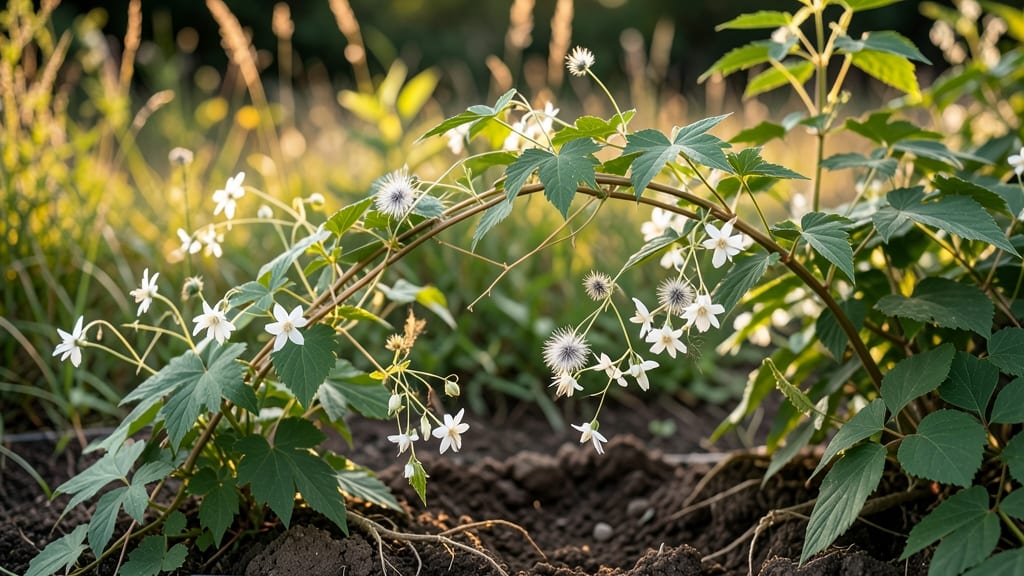
Gold thread shrub thrives where few perennials dare—shady, moist corners that other plants avoid. 🌿 I’ve grown mine for years in my woodland garden, and its delicate, three-lobed leaves and golden threads of flowers transform damp spaces into enchanting retreats.
Native to bogs and wetlands, this hardy plant (zones 3-7) brings woodland charm without the fuss of fussy perennials.
The secret to success lies in mimicking its natural habitat: rich, acidic soil that stays consistently moist but never soggy. Plant in partial to full shade, and you’ll see those signature golden stamens appear in late spring, followed by glossy berries that birds adore.
Unlike many woodland plants, gold thread handles dry spells surprisingly well once established—just don’t let it bake in full sun.
Pruning comes down to three simple seasons: tidy up in early spring before new growth, trim spent flowers after blooming, and shape lightly in fall to encourage fresh foliage. The thornless stems make it a safe border plant, and its slow-spreading habit means you won’t lose control of your garden.
What starts as a single plant often becomes a lush, low carpet over time.
Beyond its ornamental value, gold thread has been used medicinally for centuries—though modern gardeners grow it more for its understated beauty than its historical uses. Perfect for rain gardens, shady borders, or as an understory plant near trees. Here’s how to coax its magic into your own garden.
📚 In This Guide
- What you need
- Instructions
- Tips and common mistakes
- Wrapping up and next steps
What you need
- ● Gold thread shrub plants: 1–3 nursery-grown shrubs (3–4 ft tall for mature size, or smaller for container planting). Choose Spiraea japonica varieties like 'Goldflame' or 'Anthony Waterer'.
- ○ Well-draining soil: Mix of native soil + 30% compost or peat moss (avoid heavy clay). Optional: Add 1 cup slow-release fertilizer (10-10-10) per planting hole.
- ● Mulch: 2–3 inches of organic mulch (pine bark or shredded leaves) to retain moisture and suppress weeds.
- ● Garden trowel or spade: For digging planting holes (12–18 inches wide/deep).
- ● Pruning shears or loppers: Sharp, sterilized tools (bypass pruners for clean cuts; loppers for thicker stems). Pro tip: Disinfect blades with rubbing alcohol between cuts! 💡
- ● Gloves: Heavy-duty gardening gloves (gold thread has no thorns, but protection helps with soil/prickers).
- ● Watering can or hose: With a gentle spray nozzle for post-planting hydration.
- ○ Stakes (optional): 3–4 ft bamboo stakes + soft ties for young shrubs in windy areas.
- ● Sunlight: Full sun (6+ hours/day) for vibrant foliage. Partial shade (4–6 hours) tolerates but may reduce blooms.
- ● Water access: Drip irrigation or hose nearby for consistent moisture (especially in the first year).
- ● Pruning schedule awareness: Plan for 3 seasonal prunes (late winter, post-bloom, and light shaping in summer).
Step-by-Step guide to reviving a gold thread shrub's thornless canopy
This shrub thrives with strategic pruning—here’s how to restore its lush, thorn-free beauty over three seasons.
🌿 Step 1: Identify Dead and Overgrown Branches
Start in early spring when new growth begins. Look for branches that are brown, brittle, or completely bare—these won’t recover. Use sharp pruning shears to cut them back to the base. For branches with some green but weak growth, trim just above a healthy bud or leaf node.
Here’s the thing—gold thread shrubs often grow leggy or overcrowded. If a branch is thicker than a pencil or blocking sunlight from inner growth, remove it entirely. You’ll see where the canopy needs thinning by noticing how light filters through. Aim to open the center for better airflow and sunlight penetration.
✂️ Step 2: Shape the Canopy in Mid-Season
By late spring or early summer, focus on shaping the shrub. Step back and visualize an open, rounded form—this prevents a dense, thorny tangle. Cut back overly long branches by one-third to encourage bushier growth. Always cut just above a leaf node or outward-facing bud to promote new growth in the right direction.
Watch for water sprouts—those fast-growing, vertical shoots that pop up in the center. These are weak and thorny. Snip them off at the base immediately. You’ll know you’re on the right track when the shrub starts filling out with smaller, softer branches radiating from the center.
🪴 Step 3: Light Pruning for Fall Renewal
In early fall, do a final light pruning to prep for winter. Remove any deadheading flowers or stunted branches that didn’t respond well to summer shaping. Focus on refining the outline—trim just enough to maintain the open form you’ve created. Avoid heavy cuts now; the shrub needs to harden off before dormancy.
This is also the time to clean up around the base. Rake away fallen leaves and debris to prevent fungal issues. A healthy gold thread shrub should have a clean, uncluttered base with no thick tangles of branches. If you see any thorny growth, cut it back aggressively—this prevents future problems.
⏰ Step 4: Winter Check and Adjustments
After the first hard frost, do a quick inspection. If any branches were damaged by ice or snow, prune them back to healthy wood. Gold thread shrubs are tough, but frozen tips won’t regrow. Use this time to plan next year’s shape—sketch a rough outline if needed to guide your spring cuts.
Real talk: If your shrub looks sparse after winter, don’t panic. New growth will emerge from the base in spring. Just avoid pruning in winter unless absolutely necessary—dormant cuts heal poorly. Instead, focus on soil health (mulch well) and light exposure (remove nearby competing plants).
Tips & tricks for perfect gold thread shrub pruning
Took me years to perfect this pruning routine—here’s how to avoid common mistakes and transform your shrub into a thornless masterpiece.
Timing is Everything: In Step 1, when you’re identifying dead branches in early spring, don’t rush—wait until you see fresh growth starting. I’ve made the mistake of pruning too early, only to realize I’d cut back buds that were just waking up. Also, avoid pruning on rainy days; wet branches are harder to see clearly, and the cuts heal poorly. The goal is to remove only what’s truly dead or damaged before new growth begins.
Tool Technique: For Steps 2 and 3, use sharp pruning shears—not dull ones. I learned this the hard way after tearing branches instead of clean cuts. A dull blade crushes the tissue, which stresses the plant and makes it more vulnerable to disease. After each cut, wipe the blades clean with rubbing alcohol to prevent spreading bacteria between cuts. And always cut at a 45-degree angle just above a leaf node—this encourages new growth in the right direction.
Visual Cues for Success: In Step 2, when shaping the canopy, step back frequently to visualize the open, rounded form. I sketch a rough outline in my head (or on paper) to guide me. Look for sunlight streaming through the center—this is your cue that you’ve thinned enough. The ideal shape should resemble a rounded dome with branches radiating outward, not a dense, tangled mess. This open structure prevents future thorny growth and improves airflow.
Winter Prep Secret: In Step 4, after the first hard frost, don’t just focus on damaged branches. Take this opportunity to assess the shrub’s overall health. Healthy wood should be firm and greenish-brown, while dead wood will be hollow when you cut into it. If your shrub looks sparse, resist the urge to prune heavily—new growth will emerge from the base in spring. Instead, focus on soil health by adding a layer of mulch to protect roots and improve moisture retention.
Pro Tips for Gold Thread Shrub
- Took me years to perfect this pruning routine—here’s how to avoid common mistakes and transform your shrub into a thornless masterpiece.
- Timing is Everything: In Step 1, when you’re identifying dead branches in early spring, don’t rush—wait until you see fresh growth starting.
- Tool Technique: For Steps 2 and 3, use sharp pruning shears—not dull ones.
Frequently asked questions
about growing and maintaining your Gold Thread Shrub—because every gardener deserves a little clarity!How fast does the Gold Thread Shrub grow, and when can I expect full coverage?
The Gold Thread Shrub grows at a moderate pace, typically adding 12–18 inches per year. With proper care, you can expect a lush, thornless canopy in 3–5 years, depending on sunlight and soil conditions. Patience pays off—this shrub thrives when given time to establish its roots!
Is pruning really necessary, or can I skip it to save time?
While Gold Thread Shrubs are low-maintenance, pruning 2–3 times a year keeps them dense, healthy, and free of woody growth. Skipping pruning may lead to leggy branches or overgrowth, but don’t stress—even minimal trimming (like shaping in spring) makes a difference. Think of it as a quick 10-minute task for big rewards!
Can I grow a Gold Thread Shrub in full shade, or does it need sun?
This shrub is flexible but prefers partial sun—4–6 hours of sunlight daily is ideal. In full shade, growth slows, and the golden foliage may fade. For shady spots, choose a sunnier corner or opt for a shade-tolerant alternative like Dwarf Fountain Grass for contrast.
Why are my leaves turning yellow or brown? Is it a pest or disease issue?
Yellowing leaves often signal overwatering or poor drainage, while brown patches may mean underwatering or heat stress. Check for pests like spider mites (tiny webs on undersides) or aphids (sticky residue). If no pests are found, adjust watering and mulch to retain moisture. A balanced fertilizer in spring can also revive growth!
Are there any deer-resistant alternatives if I’m in a high-traffic wildlife area?
While Gold Thread Shrubs are deer-resistant, options like Boxwood, Abelia, or Dwarf Ninebark are even tougher on wildlife. For a similar look, try ‘Golden Mound’ Spirea—it’s compact, golden, and deer often avoid it. Pro tip: Prune regularly to encourage dense growth, making plants less appealing to nibblers!
Wrapping up and next steps
Transforming your yard with a gold thread shrub isn’t just about patience—it’s about joy in every season! With the right tools, timing, and a little elbow grease, you’ve got the power to revive its thornless beauty in just three pruning sessions.
Whether you’re trimming for shape, health, or that perfect canopy, remember: confidence grows with every snip.
Ready to see your shrub thrive? Grab your shears and schedule that first pruning—your future lush, low-maintenance oasis starts now! 🌿✨