
Shrubs
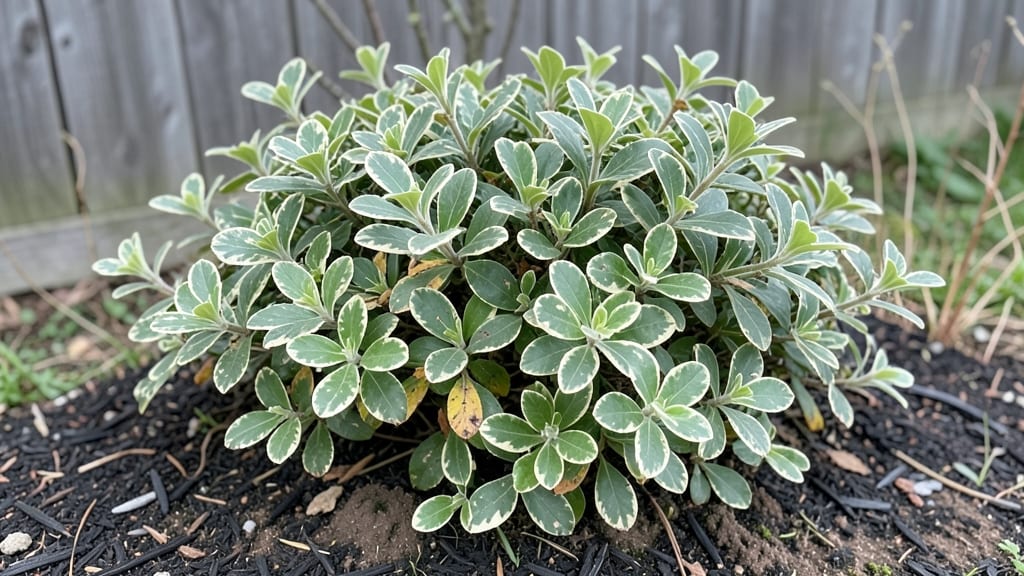
A green and white leaves shrub transforms any landscape into a living watercolor painting—soft edges where hard lines used to be.
I still remember the first time I planted a variegated euonymus near my front door; its creamy stripes caught the morning light like a silent celebration, and suddenly, every walk through the yard felt like stepping into a curated garden.
These shrubs aren’t just filler—they’re the stars of the show, stealing attention from weeds and dull borders with their striking contrast.
They thrive in borders, hedges, or as bold focal points, whether you’re shaping a formal garden or keeping things loose and natural. The Dwarf Variegated Boxwood stays compact enough for small spaces, while Snowberry reaches for height with its glossy, striped leaves.
Both handle partial shade and tolerate drought once established—perfect for busy gardeners who still want drama. I check soil moisture with my fingers before watering, and these shrubs rarely complain, even when I forget for a week.
Pair them with deep purple heucheras or silver-blue lamb’s ear for a high-contrast palette that pops against their creamy white edges. In fall, some varieties like Variegated Euonymus add pink or red berries, extending their season of interest.
The result? A garden that looks intentional, even when it’s not—just you, a few well-chosen plants, and the quiet magic of year-round texture.
Works in containers for patios or as a living screen for privacy—no two gardens need to look the same. Here’s how to make them the backbone of your design without the fuss.
Why Leaves Turn Green and White
If you’ve ever admired a shrub with striking green-and-white variegated foliage and wondered why its leaves display such bold coloration, the answer lies in a fascinating mix of genetics, plant biology, and environmental influences.
While some gardeners assume variegation is purely decorative, the science behind it is both practical and intriguing. Here’s why your shrub’s leaves might be sporting this eye-catching duo—and what it means for its health and growth.
Most green-and-white leaf patterns are hardwired into a shrub’s DNA, a trait passed down through generations. This phenomenon, called chlorophyll variegation, occurs when certain cells in the leaf lack sufficient chlorophyll—the green pigment responsible for photosynthesis.
Instead, these cells produce anthocyanins (white or pale hues) or other pigments, creating the contrasting patterns.
- How it works: Genes control the distribution of chloroplasts (the organelles where photosynthesis happens). In variegated shrubs, some cells are "lazy" and skip chlorophyll production, leaving white or cream-colored patches.
- Examples: Shrubs like Ligustrum vicaryi or Euonymus fortunei ‘Emerald Gaiety’ inherit this trait naturally. The white sections are often non-photosynthetic, which can affect the plant’s energy balance.
- Actionable tip: 💡 If your shrub’s variegation is stable (consistent year-round), it’s likely genetic. But if the white areas expand or disappear, stress may be at play (see next section).
While genetics set the stage, environmental factors can amplify or alter variegation—sometimes for the better, sometimes as a distress signal. If your shrub’s white patches are new, uneven, or excessive, it might be responding to:
| Cause | How It Affects Leaves | What to Do |
|---|---|---|
| ❄️ Cold Damage | Freezing temps can kill chlorophyll in leaf cells, turning them white or translucent. This is common in tender shrubs like Abelia or Pieris after winter. | 🌡️ Protect young shrubs with mulch (3–4 inches) and burlap wraps in harsh winters. |
| ☀️ Sun Scorch | Too much direct sun can bleach chlorophyll, especially in white-variegated leaves, which are already sensitive. Look for brown or crispy edges. | 🌳 Provide afternoon shade (especially in hot climates) or use light shade cloth. |
| 💧 Over/Under-Watering |
|
⏰ Water deeply 1–2 times per week (check soil moisture 2 inches down) and ensure well-draining soil. |
| 🌱 Nutrient Deficiencies | Magnesium (Mg) or nitrogen (N) shortages can cause white or yellow patches, mimicking variegation. Test soil for pH (ideal: 6.0–7.0 for most shrubs). | 💪 Apply a balanced fertilizer (10-10-10) in spring and Epsom salt (1 tbsp/gallon) for magnesium. |
Pro Tip: ✨ If stress is the culprit, the shrub may revert to solid green as it recovers. This isn’t harmful—it’s the plant’s way of prioritizing survival over decoration!
While less common, certain pests and pathogens can mimic or worsen variegation by disrupting chlorophyll production. Watch for these red flags:
- Spider Mites 🕷️: These tiny pests suck sap from leaves, causing white stippling or webbing. Severe infestations can turn leaves entirely white.
- Powdery Mildew 🍄: A fungal disease that coats leaves in a white, powdery film, blocking sunlight and photosynthesis.
- Scale Insects 🐛: These armored pests leach nutrients, leading to yellowing or white, waxy patches.
How to act:
- 🔍 Inspect leaves undersides for webbing, spots, or sticky residue (honeydew).
- 💦 Treat with neem oil (for mites/mildew) or horticultural oil (for scale).
- 🌿 Prune infected branches and dispose of them off-site.
Revive Your Variegated Shrub
Variegated shrubs with green and white leaves are stunning landscape stars—but when their foliage turns dull, yellows, or loses its striking contrast, it’s time to take action. The good news? Most issues have simple fixes. Below, we’ve mapped common problems to solutions, with step-by-step guidance and prevention tips to keep your shrub thriving year-round.
If your shrub’s leaves appear waterlogged or mushy, root rot may be the culprit. Variegated plants (like Dwarf Fountain Boxwood or Variegated Holly) need well-draining soil to prevent soggy roots.
🔥 Fix It Now:
- 👨🍳 Check the Soil
- Stick your finger 2–3 inches into the soil. If it’s damp, wait before watering again.
- For potted shrubs, lift the pot to assess weight—lift easily? It’s overwatered.
- 💧 Adjust Watering Habits
- Water only when the top 1–2 inches of soil are dry.
- Use a pot with drainage holes if repotting is needed.
- ⏰ Improve Drainage (Permanent Fix)
- Amend heavy clay soil with compost or perlite (mix 20% into the top 6 inches).
- For containers, add a 1-inch layer of gravel at the bottom before soil.
💡 Prevention Tips:
- 🌡️ Mulch smartly: Use 2–3 inches of organic mulch (like pine bark) to retain moisture without suffocating roots.
- ✨ Choose the right spot: Avoid low-lying areas where water pools after rain.
Variegated leaves often bleach out or turn brown in harsh afternoon sun. While they tolerate partial shade, too much direct light can fry delicate white or yellow variegation.
🍳 Fix It Gradually:
- 🌿 Provide Shade Cloth
- Install 30–50% shade cloth over the shrub for a few hours daily if it’s in full sun.
- Alternatively, plant near taller shrubs for natural shade.
- 💦 Increase Humidity (For Potted Plants)
- Mist leaves daily during heatwaves or place the pot on a tray of pebbles with water.
- 🔄 Prune Damaged Foliage
- Trim brown or crispy leaves with clean pruners to encourage new growth.
🎯 Prevention Tips:
- 📊 Plant in the right light: Most variegated shrubs thrive in morning sun + afternoon shade.
- 🌱 Water deeply in heat: Early morning watering reduces evaporation and stress.
White or grayish spots on leaves? Fungal infections thrive in humid, shady conditions and can discolor variegated patterns. Early action is key!
🔪 Treat Fungus Fast:
- 🧼 Clean Up Debris
- Remove fallen leaves and mulch from around the base to reduce spores.
- 💧 Water at the Base
- Avoid overhead watering—use a soaker hose or drip irrigation to keep leaves dry.
- 🌿 Apply Fungicide
- Spray with neem oil (natural) or a copper-based fungicide (follow label instructions).
- Reapply every 7–10 days until symptoms fade.
🔥 Prevention Tips:
- 🌡️ Space plants properly: Ensure 3–5 feet of airflow between shrubs.
- ✨ Prune for airflow: Trim dense branches to improve circulation.
If leaves turn pale green or yellow (especially on new growth), your shrub may be hungry. Variegated plants often need extra nutrients to maintain their bold colors.
🥗 Boost Growth & Color:
- 📊 Test Soil pH
- Ideal range: 6.0–7.0 for most variegated shrubs.
- Adjust with lime (to raise pH) or sulfur (to lower pH) if needed.
- 💪 Fertilize Right
- Use a balanced, slow-release fertilizer (10-10-10) in early spring.
- For extra vibrancy, add iron chelate (for yellowing) or magnesium sulfate (Epsom salt).
- 🌱 Top-Dress with Compost
- Spread 1–2 inches of compost around the base (keep it 6 inches from the trunk).
💡 Prevention Tips:
- 🌱 Feed in stages: Split fertilizer into 3 applications (spring, summer, fall).
- 🥗 Mulch annually: Refresh mulch in late winter to replenish nutrients.
With these targeted fixes, your green and white leaves shrub should bounce back—regaining its show-stopping variegation in no time. 🌿✨ Remember, consistency is key: monitor soil, light, and moisture, and your shrub will reward you with year-round beauty!
Frequently asked questions
What are the best shrubs for small gardens with green and white foliage?
For compact spaces, try Dwarf Variegated Boxwood (stays under 2 feet) or Snowberry (3–4 feet). Both handle pruning well and add texture without overwhelming small yards. Variegated Holly is another excellent choice—its glossy leaves stay vibrant year-round and tolerate partial shade beautifully.
Can I grow these shrubs in containers?
Most variegated shrubs thrive in containers, including Dwarf Fountain Boxwood and Variegated Euonymus. Use pots with drainage holes and well-draining soil. For potted plants, water when the top 1–2 inches of soil are dry and fertilize lightly in spring and summer. Just ensure the container is large enough for mature root growth.
Why are my shrub's white leaves turning brown or yellow?
This often signals sun scorch or nutrient deficiency. Variegated leaves are sensitive to harsh afternoon sun—provide afternoon shade if needed. For yellowing, test soil pH (ideal: 6.0–7.0) and add a balanced fertilizer or Epsom salt for magnesium. Brown edges may also indicate underwatering or overwatering—check soil moisture before watering.
Do these shrubs attract pollinators or wildlife?
Some do! Variegated Euonymus produces pink berries in fall that birds love, while Snowberry offers white berries for wildlife. However, most variegated shrubs focus on foliage rather than flowers, so they’re low-maintenance for pollinators. Pair them with native flowers (like coneflowers) to boost biodiversity in your garden.
How do I prune these shrubs to maintain their shape?
Prune in late winter or early spring before new growth starts. For boxwoods and euonymus, trim back 1/3 of the growth to encourage bushiness. Use clean, sharp pruners and avoid cutting into old wood. For formal hedges, shape with regular trims throughout the growing season, but avoid heavy pruning in fall—it can stress the plant.