
Flowers
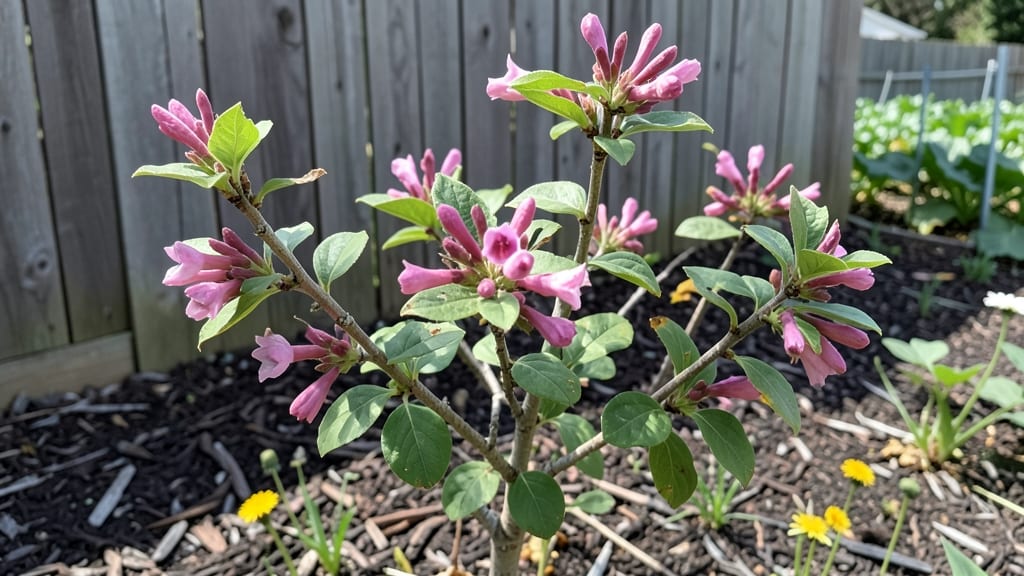
This green shrub with pink flowers, like weigela and hydrangea, transforms any garden into a pollinator haven—especially when planted as fragrant focal points. 🌸 I’ve designed borders where these shrubs steal the show, their soft blooms drawing bees and butterflies while keeping the look effortlessly refined.
The key is pairing them with textures that make them pop: silvery foliage for contrast or airy perennials to soften their structure.
Weigela’s arching branches and hydrangea’s lush clusters work in everything from cottage gardens to modern landscapes. For a low-maintenance hedge, opt for dwarf varieties—they stay compact while still packing that pink punch.
In formal gardens, prune them into neat shapes, while cottage-style beds let them grow wild with climbing roses twining through. The fragrance alone makes them worth the space.
You’ll end up with a garden that hums with life, where every pink bloom signals another visitor to your yard. Add a few silver-leafed plants nearby, and the contrast creates a showstopping visual effect that lasts from spring through fall.
These shrubs aren’t just pretty—they’re the backbone of a thriving, pollinator-friendly space.
Works in sun or partial shade, so they adapt to almost any spot. Whether you’re filling a foundation bed or creating a wildflower-friendly border, these pink powerhouses deliver year after year. Let’s get styling!
Why Pink Blooms Stay Green
When your beloved green shrub with pink flowers (like Weigela florida, Abelia, or Deutzia) refuses to bloom—or worse, just stays lush and leafy—it’s often a sign that something’s off in its care routine.
While these shrubs are prized for their vibrant pink blossoms, their stubborn greenery can be frustrating. Let’s break down the real reasons why your shrub is playing hide-and-seek with its flowers—and how to fix it.
Pink-blooming shrubs are sun-worshippers. Most varieties (like Weigela or Abelia) need 6–8 hours of full sun daily to trigger flowering. Without enough light:
- Energy diversion: The plant focuses on growing leaves (for photosynthesis) instead of producing flowers, which require more energy.
- Weakened blooming signals: Short daylight hours (common in shaded spots) delay or prevent the hormonal shifts needed for bud formation.
- Leggy growth: Stems stretch toward light, becoming sparse and woody, with fewer flower nodes.
Actionable fix:
- Move the shrub to a sunnier location—even partial shade (morning sun + afternoon shade) can work for some varieties like Deutzia, but full sun is ideal.
- Prune nearby trees or structures blocking light.
- Use reflective surfaces (like white walls or mirrors) to bounce extra light onto the shrub.
Cold snaps, late frosts, or unpredictable seasonal changes can disrupt a shrub’s flowering cycle. Here’s how:
- Bud freeze: Early spring bloomers (like Weigela) set buds in late summer/fall. If a hard frost hits before buds mature, they’ll wither away.
- Delayed dormancy: Some shrubs (e.g., Abelia) need a cool winter period to reset their growth cycle. Unusually warm winters can confuse them into skipping blooms.
- Heat stress: Sudden summer heatwaves can cause buds to drop before opening.
Actionable fix:
- Protect young buds with frost cloth during late frosts (especially in Zone 5–7).
- Ensure the shrub gets 6–8 weeks of temps below 40°F (4°C) in winter for proper dormancy.
- Water deeply in late summer to help roots store energy for next year’s blooms.
Flower production is a luxury for plants—it only happens when they’re healthy and well-fed. Poor water or nutrient habits can leave your shrub too busy surviving to bloom:
💧 Overwatering or Underwatering
| Issue | Effect on Blooms | Fix |
|---|---|---|
| Overwatering | Roots suffocate, starving the plant of nutrients. Energy goes to leaf growth, not flowers. | Let soil dry 2–3 inches deep between waterings. Improve drainage with perlite or sand. |
| Underwatering | Stressed roots can’t support flower buds, leading to sparse or no blooms. | Water deeply 1–2x/week (more in extreme heat). Use mulch to retain moisture. |
🌱 Nutrient Deficiencies (or Overloads)
Flowering shrubs need a balanced diet, especially:
- Phosphorus (P): Critical for bud formation. A deficiency (yellowing leaves, weak stems) means no flowers. Fix: Apply a 5-10-10 fertilizer in early spring.
- Potassium (K): Helps stress resistance and bloom quality. Fix: Use banana peel tea or a balanced fertilizer (e.g., 10-10-10).
- Nitrogen (N) overload: Too much (lush green leaves, no flowers) is common with lawn fertilizers. Fix: Switch to a low-N, high-P formula (e.g., 3-4-6).
Pink-flowering shrubs often bloom on old wood (last year’s growth) or new wood (current season’s stems). Pruning at the wrong time or too aggressively can eliminate next year’s flowers:
- Pruning after blooming: If your shrub flowers in spring (e.g., Weigela), cutting back then removes next year’s buds. Fix: Prune right after flowering (late spring/early summer) to shape without sacrificing blooms.
- Over-pruning: Removing more than 1/3 of the shrub can stress it into prioritizing regrowth over flowers. Fix: Lightly trim dead or crossing branches instead of heavy cuts.
- Wrong technique: Cutting too close to the stem collar can cause disease. Fix: Leave 1/4 inch above a bud when pruning.
Unseen invaders can drain your shrub’s energy, leaving it too weak to bloom:
- Spider mites or aphids: Sap-sucking pests weaken the plant, reducing flower production. Signs: Yellowing leaves, sticky residue (honeydew). Fix: Spray with neem oil or introduce ladybugs.
- Powdery mildew: Fungal infections (white powder on leaves) block sunlight, stunting growth. Fix: Improve air circulation and apply baking soda spray (1 tsp baking soda + 1 quart water + a drop of soap).
- Root rot: Overwatered or poorly drained soil leads to fungal root infections. Fix: Repot or amend soil with compost + perlite.
Revive Your Blooming Beauty
Transforming your struggling green shrub with delicate pink blooms back into a thriving pollinator magnet starts with pinpointing the root cause—and acting fast. Below, we’ve mapped out practical fixes for common issues, paired with prevention tips to keep your shrub lush and fragrant for seasons to come.
Signs: Yellowing leaves, wilting despite damp soil, or a foul smell around the base.
How to Fix It: 🍳 Adjust Your Watering Routine
- Let the top 1–2 inches of soil dry out between waterings. Stick your finger in the soil—if it’s soggy, hold off!
- Water deeply but less frequently (once a week in most climates, more in extreme heat). Early morning is best to reduce evaporation and fungal risks.
👨🍳 Improve Soil Drainage
- If your shrub sits in a low spot or clay-heavy soil, amend the area with organic matter:
- Mix in compost or coconut coir (20–30%) to loosen compacted soil.
- For container plants, ensure pots have drainage holes and use a well-draining potting mix (like 60% soil, 30% perlite, 10% sand).
⏰ Emergency Drainage Fix
- If roots are waterlogged, gently loosen the soil around the base with a fork (avoid damaging roots). For severe cases, consider planting a companion like a fast-draining ground cover (e.g., creeping thyme) to absorb excess moisture.
Prevention Tips: ✨ Choose the Right Spot: Plant in well-draining soil and avoid depressions where water pools. 🌡️ Mulch Smartly: Use 2–3 inches of mulch (wood chips or straw) to regulate moisture—but keep it 6 inches away from the stem to prevent rot.
Signs: Crispy leaf edges, drooping stems, or soil pulling away from the pot (in containers).
How to Fix It: 💦 Hydrate Deeply and Slowly
- Water until it runs out the drainage holes (for pots) or seeps 6–8 inches into the ground. Repeat every 2–3 days in scorching weather.
- Morning watering reduces evaporation loss.
🌿 Shade Relief for Extreme Heat
- If your shrub is in a south-facing spot, provide afternoon shade with a lightweight shade cloth (30–50%) during peak summer.
- Group plants together to create a microclimate that retains moisture.
🎯 Fogging Trick for Containers
- Mist leaves daily in extreme heat (early morning or evening) to mimic humidity. Use a fine spray nozzle to avoid damaging blooms.
Prevention Tips: 💡 Self-Watering Solutions: Install a drip irrigation system or soaker hose on a timer for hands-off care. 🥗 Mulch Like a Pro: Use gravel or pebbles under mulch in hot climates to reflect heat away from roots.
Signs: White powdery spots (powdery mildew), black spots (anthracnose), or mushy stems (root rot).
How to Fix It: 🧼 Clean Up Act
- Remove infected leaves/stems immediately with sterilized pruners (wipe with rubbing alcohol between cuts).
- Disinfect tools after each cut to prevent spreading.
🍄 Fungal Foes: Natural Remedies - Baking Soda Spray: Mix 1 tsp baking soda + 1 tbsp oil + 1 tsp mild soap per gallon of water.
Spray every 7–10 days until symptoms fade. - Neem Oil: Apply 2 tbsp neem oil + 1 tsp soap per gallon of water weekly for 2 weeks. (Test on a small leaf first!)
🌱 Boost Airflow
- Prune back crowded branches to improve circulation. Aim for an open, vase-like shape for better airflow.
- Space plants 3–4 feet apart to reduce humidity buildup.
Prevention Tips: 🔥 Water at the Base: Avoid wetting leaves (especially in humid climates) to deter fungal spores. 🌡️ Avoid Overhead Watering: Use a watering wand or drip system to keep foliage dry.
Signs: Chewed leaves, sticky residue (aphids), or tiny webs (spider mites).
How to Fix It: 🐞 Manual Removal (For Small Infestations)
- Handpick large pests (e.g., caterpillars) and drop them in soapy water.
- Blast off aphids with a strong stream of water from a hose.
🍎 Homemade Pest Repellents
- Soapy Water Spray: Mix 1 tbsp mild soap + 1 quart water. Spray directly on pests (avoid blooms).
- Garlic Spray: Blend 2 cloves garlic + 1 quart water, strain, and spray weekly to deter soft-bodied pests.
🌿 Beneficial Buddies
- Introduce ladybugs, lacewings, or nematodes (for soil-dwelling pests) to your garden. Buy them online or from garden centers.
Prevention Tips: ✨ Encourage Predators: Plant marigolds, basil, or dill nearby to attract pest-eating insects. 💡 Prune Regularly: Remove dead/dying leaves where pests hide.
Signs: Pale yellow leaves (nitrogen deficiency), purple stems (phosphorus lack), or weak stems (potassium shortage).
How to Fix It: 📊 Soil Test First
- Grab a DIY soil test kit (or send a sample to a local extension office) to identify deficiencies before fertilizing.
🍽️ Feed the Right Way
- Balanced Fertilizer: Use a 10-10-10 or 20-20-20 fertilizer early in the growing season (spring).
- Organic Boost: Mix in composted manure or worm castings for slow-release nutrients.
- For Blooms: Switch to a phosphorus-rich fertilizer (e.g., 5-10-10) when buds form.
🌿 Mulch for Nutrients
- Top-dress with 2–3 inches of compost in early spring to replenish soil gradually.
Prevention Tips: 💪 Feed Seasonally: Fertilize twice a year (spring and early summer)—avoid late-season feeding, which encourages tender new growth. 🎯 Avoid Over-Fertilizing: More isn’t better! Burnt leaves mean you’ve overdone it—flush the soil with water and reduce doses.
Signs: Bare stems, no new growth, or leggy, sparse foliage.
How to Fix It: 🔪 Prune Like a Pro
- Best Time: Prune right after flowering (late spring/early summer) to encourage next year’s blooms.
- Cut Back Strategically:
- Remove dead, diseased, or crossing branches first.
- Thin out 1/3 of the oldest stems at the base to rejuvenate the shrub.
- Shape lightly—avoid shearing, which encourages dense (but weak) growth.
🌱 Encourage New Growth
- After pruning, water deeply and apply a balanced fertilizer to support recovery.
Prevention Tips: 💡 Prune Annually: A little maintenance goes a long way—10–15 minutes yearly keeps shrubs healthy. 🌡️ Use Sharp Tools: Clean, sharp pruners make precise cuts that heal faster.
Once your shrub is back in bloom, keep it thriving for bees and butterflies with these extras:
- Leave some leaves
Frequently asked questions
Which pink-flowering shrubs attract the most pollinators?
Weigela and hydrangeas are top choices for pollinators! Their fragrant blooms draw bees and butterflies, while their dense foliage provides shelter. For extra buzz, pair them with silver-leafed plants like lamb's ear to create a pollinator paradise.
Can I grow these shrubs in containers?
Dwarf varieties like Weigela 'Wine and Roses' thrive in containers with well-draining soil. Use pots at least 12 inches wide and ensure they have drainage holes. Place them in sunny spots and water when the top 1-2 inches of soil dry out.
How do I prune pink-flowering shrubs for maximum blooms?
Prune after flowering to encourage next year's blooms. For spring bloomers like Weigela, cut back 1/3 of the oldest stems in late spring. Avoid heavy pruning—focus on shaping and removing dead branches to maintain an open, airy structure.
What's the best companion planting for pink shrubs?
Silver foliage plants like artemisia or lamb's ear create stunning contrasts. For height, add tall grasses or perennials like catmint. These pairings enhance the pink blooms while attracting more pollinators to your garden.
Why aren't my pink shrubs blooming this year?
Common reasons include insufficient sunlight (6+ hours daily) or over-fertilizing with nitrogen. Check for proper winter chilling (6-8 weeks below 40°F) and ensure good drainage. Light pruning after flowering helps stimulate new growth.