
Size
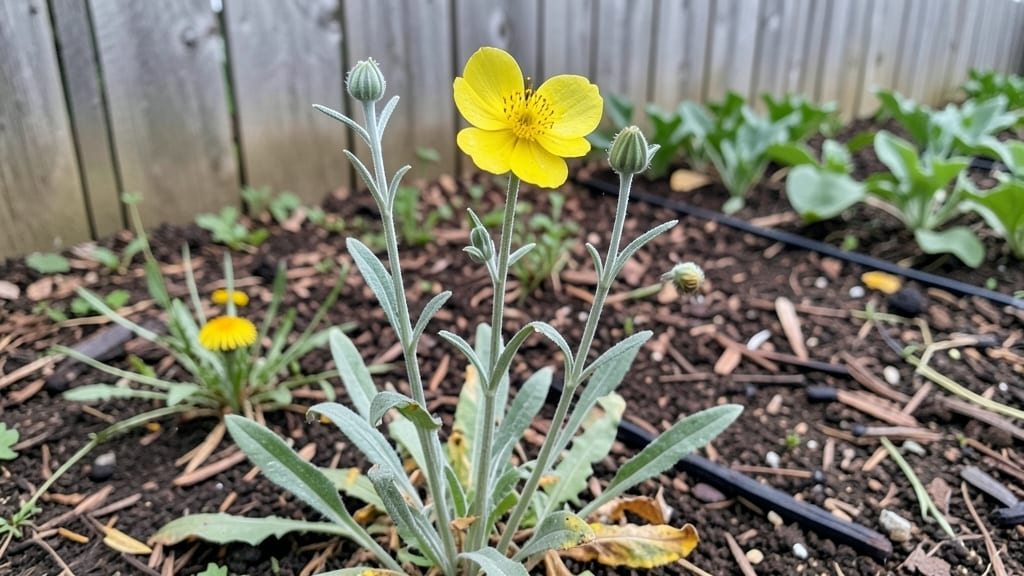
Growing evening primrose from seed gives you fragrant, golden blooms that open at dusk—something most gardeners miss until they try it. 🌿 I’ve grown this hardy perennial in containers on my tiny balcony, and it thrives where other plants struggle.
The secret isn’t fancy soil or constant care; it’s patience and knowing when to step back.
Evening primrose loves full sun but tolerates partial shade, making it perfect for small spaces or urban gardens. Start seeds indoors 6–8 weeks before your last frost, or sow directly in well-draining soil.
The plants grow fast—expect 12–18 inches tall—and their deep taproots mean they’re drought-tolerant once established. Just don’t overwater; soggy soil is their downfall.
By summer, you’ll see those iconic yellow flowers lighting up your garden as the sun sets. The blooms last just one night, but new ones open every evening for weeks.
Plus, the foliage stays lush and green, adding texture even when flowers fade. This plant is low-maintenance but high-reward—ideal for beginners or busy gardeners.
Works in borders, containers, or even as a living mulch. Once you’ve grown it, you’ll want it everywhere—it’s that easy. Let’s get those seeds planted!
📚 In This Guide
- What you need
- Instructions
- Tips and common mistakes
- Wrapping up and next steps
What you need
- ● Seeds or seedlings: Evening primrose seeds (choose Oenothera biennis for biennials or Oenothera tetragona for perennials). Start with 3–5 seeds per pot or 1–2 seedlings per container.
- ● Containers or garden bed: Containers: 6–12-inch pots with drainage holes (use 1–2 plants per pot for optimal growth).
- ● Garden bed: Well-draining soil in a sunny spot (at least 6 hours of sunlight daily).
- ● Well-draining soil: Mix equal parts potting soil and perlite/sand (evening primrose hates soggy roots!).
- ● Watering can or hose: With a gentle spray nozzle for even moisture.
- ○ Fertilizer (optional but helpful): Low-phosphorus fertilizer (e.g., 5-10-5) or compost. Apply every 4–6 weeks during growing season.
- ● Grow lights: For indoor seedlings (12–16 hours of light daily).
- ● Mulch: Straw or shredded leaves to retain moisture and suppress weeds.
- ● Stakes or cages: If your plants grow tall (up to 3–5 feet), lightweight supports can prevent flopping.
- ● pH test kit: Evening primrose prefers neutral to slightly alkaline soil (pH 6.0–7.5).
- ● Seed-starting kit: If sowing indoors (includes trays, domes, and heating mats for faster germination).
Step-by-Step guide to cultivating evening primrose
Evening primrose thrives with minimal fuss—here’s how to coax vibrant blooms from tiny seeds.
🌱 Step 1: Start Seeds Indoors for Early Blooms
Sow seeds 6-8 weeks before your last frost date in small pots filled with the seed-starting mix. Press each seed just below the soil surface—no need to bury deep. Keep the mix moist but not soggy; a spray bottle works best. Place pots in a warm spot (65-75°F) until sprouts appear, which usually takes 10-20 days.
Watch for the first true leaves—those are your cue to move seedlings to brighter light. Without enough light, they’ll stretch toward the window, leaving them weak and leggy. If your space is dim, a simple grow light keeps them strong.
☀️ Step 2: Transplant Seedlings Outdoors After Frost
Once seedlings have 3-4 sets of leaves and nighttime temperatures stay above 50°F, it’s time to move them outside. Harden them off first by placing pots in a sheltered spot for 1-2 hours daily, gradually increasing time over 7-10 days. This toughens them up so they don’t shock when planted.
Space seedlings 12-18 inches apart in well-draining soil. They tolerate poor soil but bloom best in loose, sandy loam. After transplanting, water deeply to help roots settle. You’ll know they’re happy when new leaves appear within 2-3 weeks.
💧 Step 3: Water and Fertilize for Continuous Blooms
Evening primrose is drought-tolerant once established, but young plants need 1 inch of water weekly. Water at the base to avoid wetting leaves—this prevents fungal diseases. Once flowers appear, reduce watering slightly to encourage longer bloom times. They’ll reward you with yellow trumpet-shaped blooms that open in the evening.
Feed plants lightly with balanced fertilizer (10-10-10) every 4-6 weeks during the growing season. Too much nitrogen makes them leafy but few-flowered. I skip fertilizer in fall to let plants prepare for winter.
✂️ Step 4: Prune and Deadhead for Longer Seasons
After the first flush of blooms, trim back faded flowers to encourage more buds. Snip stems just above a set of leaves with clean, sharp shears. This keeps plants tidy and prompts new growth well into fall. In late winter, cut back dead stems to 2-3 inches above the ground—this jumpstarts fresh spring growth.
Evening primrose spreads easily, so divide clumps every 3-4 years to maintain vigor. Dig up sections in early spring, replant, and watch them rebound with fresh energy. They’re tough enough to handle occasional neglect but thrive with a little attention.
Tips & tricks for perfect evening primrose cultivation
A few simple strategies will help you coax the most vibrant blooms from your evening primrose—even in tight spaces.
Temperature Control: Those 65-75°F germination temps are critical for consistent sprouting. I use a seedling heat mat under my pots to maintain steady warmth during this phase. If your home runs cooler, consider a small greenhouse or clear plastic dome over the pots to trap heat. Once sprouts appear, move them to a sunny windowsill or under grow lights immediately—they can't tolerate being kept in the dark too long.
Harden Off Gradually: The 1-2 hours daily hardening process in Step 2 is where most beginners rush and end up with shocked plants. I start with just 30 minutes on day one, then add 30 minutes each day until reaching the full 1-2 hours. This slow adaptation prevents transplant shock that can stunt growth. Watch for wilting—if you see it, they're moving too fast!
Soil Selection Tip: While evening primrose tolerates poor soil, I've found that amending with 10% perlite or sand creates the ideal loose, sandy loam texture mentioned in the instructions. This improves drainage and prevents the root rot that can occur in heavy clay soils. You can also use a commercial cactus/succulent mix as a shortcut.
Pruning Strategy: When deadheading in Step 4, I always use clean, sharp shears and make cuts just above a leaf node—never at a joint where leaves meet the stem. This encourages bushier growth rather than leggy stems. For the late-winter pruning, I cut back to 2-3 inches but leave a few stems uncut to mark where new growth will emerge in spring.
Pro Tips for Grow Evening Primrose
- A few simple strategies will help you coax the most vibrant blooms from your evening primrose—even in tight spaces.
- Temperature Control: Those 65-75°F germination temps are critical for consistent sprouting.
- Harden Off Gradually: The 1-2 hours daily hardening process in Step 2 is where most beginners rush and end up with shocked plants.
Frequently asked questions
How long does it take for evening primrose to bloom after planting?
Evening primrose typically takes 60–90 days to bloom from seed, depending on your climate and growing conditions. If planting seedlings, you may see flowers in 4–6 weeks. Patience is key—these beauties reward consistency with vibrant blooms!
Can evening primrose survive winter in cold climates?
Yes! This hardy plant thrives in USDA Zones 3–9. In colder regions, its basal rosette (leafy base) often dies back but regrows in spring. For extra protection, mulch heavily or grow it in containers to move indoors during harsh winters.
What’s the best alternative if my space is too small for evening primrose?
Try miniature sunflowers, dwarf cosmos, or pansies—they’re compact, colorful, and equally low-maintenance. For edible options, consider dwarf nasturtiums or bush beans, which also attract pollinators!
Why aren’t my evening primrose flowers opening at night?
Evening primrose blooms close to midday and open fully by dusk. If they’re staying shut, check for:
- Lack of sunlight: Needs 6+ hours of sun daily.
- Overcrowding: Thin plants to 12–18 inches apart.
- Stress: Ensure well-draining soil and water deeply but infrequently.
Can I grow evening primrose in containers or hanging baskets?
Use 5–7 gallon pots with drainage holes and a balanced potting mix. For hanging baskets, choose trailing varieties like ‘Evening Star’. Just ensure they get full sun and rotate containers occasionally for even growth.
Wrapping up and next steps
Growing evening primrose is a rewarding way to bring vibrant blooms and natural beauty to even the smallest of spaces—whether it’s a balcony, patio, or windowsill! 🌸 With the right light, soil, and care, you’ll enjoy its striking yellow flowers year-round, all while supporting pollinators.
The key is patience and consistency, but trust us, the results are worth it.
Ready to dive in? Start by gathering your supplies, then follow the steps to create the perfect growing environment. Your mini garden oasis is just a few seeds away! 🌱