
Pruning
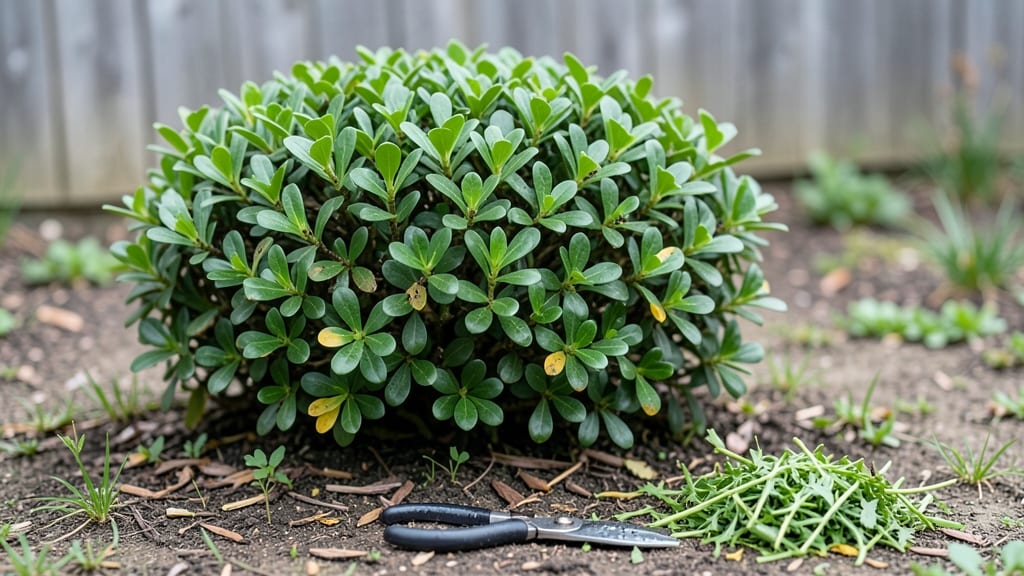
Pruning evergreen shrubs transforms them from scraggly messes into neat, lush focal points—if you do it right. ✂️ I’ve turned my own overgrown juniper and boxwood into picture-perfect hedges by following a few key rules, and you can too.
The difference between a healthy shrub and one that struggles starts with when and how you cut, not just how much.
Most people wait until spring, but evergreens actually handle pruning best in late winter or early spring before new growth starts. For shaping, use clean, sharp bypass pruners to make cuts just above a leaf node or bud—never tear the branches.
If your shrub looks woody and sparse, rejuvenation pruning (cutting back older growth) works wonders, but do it gradually over 2-3 years to avoid shock.
After pruning, your shrubs will bounce back with fresh, vibrant growth in just 4-6 weeks. The key is to avoid overdoing it—never remove more than one-third of the foliage at once.
For post-care, water deeply and fertilize lightly to help recovery, especially in hot or dry climates where pruning stresses plants more.
Different shrubs need different approaches: boxwoods love frequent light trims, while hollies respond better to minimal shaping and juniper thrives with selective thinning. Master these techniques, and your evergreens will stay healthy and beautiful for decades—no green thumb required.
📚 In This Guide
- What you need
- Instructions
- Tips and common mistakes
- Wrapping up and next steps
What you need
- ● Bypass Pruners (Hand Pruners): Sharp, high-quality bypass pruners (e.g., Felco or Fiskars) for clean cuts on small stems (up to ½ inch thick). Quantity: 1 pair.
- ● Loppers: Long-handled bypass or anvil loppers for thicker branches (½ to 1½ inches). Quantity: 1 pair.
- ● Pruning Saw: Curved-tooth pruning saw for branches thicker than 1½ inches. Quantity: 1.
- ● Gloves: Heavy-duty gardening gloves (nitrile-coated for grip and protection). Quantity: 1 pair.
- ● Safety Glasses: Protective eyewear to shield against debris. Quantity: 1 pair.
- ● Disinfectant (Rubbing Alcohol or Bleach Solution): 70% isopropyl alcohol or 1-part bleach to 9-parts water to sterilize tools between cuts (prevents disease spread).
- ● Rag or Paper Towels: For wiping down tools and cleaning sap off blades.
- ● Ladder or Step Stool: Sturdy, non-slip for reaching higher branches.
- ● Sharpie or Pruning Paint: To mark cuts on larger shrubs before pruning.
- ● Compost Bin or Bag: For collecting pruned branches and leaves.
- ● Know Your Shrub: Research the specific evergreen variety (e.g., boxwood, juniper, holly) to understand its growth habits and pruning needs.
- ● Weather Check: Prune on a dry, overcast day (avoid pruning in extreme heat or frost).
- ● Clean Workspace: Lay down a tarp or old sheet to collect debris and make cleanup easier.
Step-by-Step guide to pruning evergreen shrubs
Mastering this technique transforms your shrubs from unruly clumps into lush, healthy focal points.
✂️ Step 1: Assess Growth and Identify Problem Areas
Start by examining your evergreen shrubs from all angles—look for dead, diseased, or crossing branches that disrupt airflow. I always scan for brown or brittle stems (a sign of winter burn or pest damage) and branches growing inward that create dense, shaded centers. Use a small hand lens if needed to spot hidden issues like fungal spots or spider mite webs on the undersides of leaves.
Mark these areas with colored twine or flags—this prevents accidental removal of healthy growth later. Evergreens like boxwoods and yews often develop thin, leggy stems at the base; these are prime candidates for rejuvenation cuts. Remember, evergreens are forgiving, but precision matters—you’re sculpting, not hacking.
✂️ Step 2: Use the Right Tools and Timing
Grab your sharp bypass pruners (dull blades crush stems, inviting disease) and loppers for thicker branches. Disinfect tools with 70% isopropyl alcohol between cuts to prevent spreading pathogens. The best time to prune most evergreens is late winter to early spring (just before new growth starts), but you can lightly shape anytime except mid-summer (when stress weakens plants).
For rejuvenation pruning (cutting back old growth), wait until spring—this gives the plant time to recover before winter. If you’re removing large branches, make cuts just outside the branch collar (the swollen area where the branch meets the trunk). Never leave stubs—they invite decay and look unsightly.
✂️ Step 3: Thin Out and Shape Gradually
Begin by removing 10-20% of the oldest wood to encourage fresh growth. For dense shrubs, target the innermost branches first—they’re often shaded and weak. Cut back to a healthy lateral branch or bud, angling the cut slightly downward to shed water. Avoid "heading back" (cutting into old wood)—this stimulates weak, bushy regrowth that evergreens can’t sustain.
Shape the outer edges with light, gradual cuts—evergreens respond better to subtle adjustments than dramatic changes. Step back frequently to check your progress. If the shrub looks lopsided, focus on lengthening the shorter side by selectively trimming the opposite side. Pro tip: Prune in stages over 2-3 years for large shrubs—this reduces shock and yields better results.
✂️ Step 4: Clean Up and Monitor Recovery
Rake up all clippings and dispose of diseased branches immediately (don’t compost them). Evergreens like arborvitae and junipers often shed needles after pruning—this is normal and temporary. Water deeply after pruning if your region is experiencing dry spells, especially for newly trimmed plants. Mulch lightly with 2-3 inches of shredded bark to retain moisture and protect roots.
Watch for new growth within 4-6 weeks—this signals successful pruning. If you see yellowing needles or wilting, you may have over-pruned. Evergreens like boxwoods can handle up to one-third of their volume removed, but cedars and pines are more sensitive—limit cuts to 10-15% for these varieties. Adjust future pruning based on how the plant responds.
⏰ Step 5: Schedule Maintenance Pruning
Plan for light maintenance pruning twice yearly: once in early spring (to shape and remove winter damage) and once in late summer (to tidy up and encourage fall color). Evergreens like holm oaks and inkberry hollies benefit from annual tip trimming to maintain dense foliage. Use a handheld hedge trimmer for formal shapes, but always leave some natural texture—evergreens thrive with a mix of structure and softness.
Here’s the thing—consistency matters more than perfection. Even a few minutes of seasonal pruning keeps shrubs vibrant and disease-free. I like to prune on a cool, overcast day—less stress on the plant, and the light reveals problem areas more clearly. With practice, you’ll develop an eye for what looks natural and what needs guidance.
Tips & tricks for perfect evergreen shrub pruning
Avoid these common pitfalls—and transform your shrubs from chaotic to stunning with these pro techniques.
Tool Precision Pays Off: Sharp tools aren't optional—they're essential. I've ruined perfectly good shrubs using dull pruners that tear stems instead of cleanly cutting them. Take 5 minutes before you start to hone your blades with a sharpening stone or replace them if they're nicked. For branches thicker than your wrist, loppers are a must—never use pruners on thick growth, as they'll crush the stem instead of making a clean cut.
The 10-20% Rule for Healthy Growth: When Step 3 mentions removing 10-20% of oldest wood, this isn't arbitrary—it's based on plant physiology. Evergreens can handle this much removal without stress, but exceeding 25% risks shocking the plant. For large shrubs, I recommend working in stages: remove 10% one year, another 10% the next, and only 5-10% in subsequent years. This gradual approach yields better results than aggressive pruning all at once.
Branch Collar Awareness: The branch collar—the swollen area where branches meet the trunk—is often overlooked in Step 2, but it's critical. Making cuts too close to the collar (or worse, leaving stubs) creates entry points for disease. Always cut just outside the collar, leaving that natural ridge intact. This might mean making slightly longer cuts than you're comfortable with, but it's worth it for long-term plant health.
Seasonal Nuances Matter: While the instructions mention late winter to early spring as ideal, I've learned that some evergreens have specific preferences. For example, arborvitae and juniper handle pruning better in early spring when new growth is just starting, while boxwoods can tolerate light shaping in late summer without stress. When in doubt, err on the side of early spring—it gives plants the longest growing season to recover.
Pro Tips for How Do You Prune Evergreen Shrubs
- Avoid these common pitfalls—and transform your shrubs from chaotic to stunning with these pro techniques.
- Tool Precision Pays Off: Sharp tools aren't optional—they're essential.
- The 10-20% Rule for Healthy Growth: When Step 3 mentions removing 10-20% of oldest wood, this isn't arbitrary—it's based on plant physiology.
Frequently asked questions
Got questions about pruning evergreen shrubs? You’re not alone! Whether you’re a beginner or just looking for quick tips, here are answers to the most common concerns—so you can prune with confidence and keep your shrubs thriving.
When is the best time to prune evergreen shrubs?
The ideal time depends on the type of evergreen, but late winter or early spring (just before new growth starts) is usually best for most varieties. Avoid heavy pruning in late summer or fall, as it can stress the plant and leave it vulnerable to winter damage. For flowering evergreens, prune after blooming to preserve next year’s flowers.
How much can I prune off an evergreen shrub at once?
Never remove more than one-third of the plant’s total volume in a single session. Pruning too aggressively can shock the shrub, stunt growth, or even kill it. For dense shrubs, spread pruning over 2–3 years to avoid overstressing the plant. Thin out crowded branches first to improve airflow and light penetration.
What if I prune at the wrong time and my shrub looks sad?
Don’t panic! If you prune too late in the season, your evergreen may look ragged, but it often recovers with proper care. Focus on watering deeply and avoiding heavy fertilizers until spring. If new growth is sparse, a light pruning in early spring can help encourage a fresh start. Patience is key—evergreens are hardy!
Can I prune evergreen shrubs in the fall?
Fall pruning is possible, but it’s best to limit it to light shaping or cleanup (like removing dead or diseased branches). Avoid heavy pruning, as it can stimulate tender new growth that may not survive winter. If you must prune, do so at least 6 weeks before the first frost to allow time for healing.
What if my evergreen shrub doesn’t regrow after pruning?
Some evergreens (like mature boxwoods or juniper) grow slowly, so don’t expect dramatic regrowth overnight. If no new growth appears after a few months, check for pests, disease, or root issues. Over-pruning, poor soil, or drought can stunt recovery. Adjust your approach—focus on health over aesthetics next time!
Still unsure? Drop your specific shrub type or concern in the comments—we’re happy to help!
Wrapping up and next steps
Pruning evergreen shrubs doesn’t have to be intimidating—with the right tools, timing, and techniques, you’ll keep them healthy, lush, and beautifully shaped all year long! 🌿 Whether you’re tackling overgrowth in spring or refining their form in late winter, consistency is key.
Now that you’re armed with these year-round secrets, grab your pruners and give your shrubs the care they deserve.
Ready to take it further? Experiment with different styles—like topiary or layered pruning—to match your garden’s vibe. And if you’re feeling bold, check out our guide on rejuvenating overgrown shrubs for a fresh start!