
Pruning
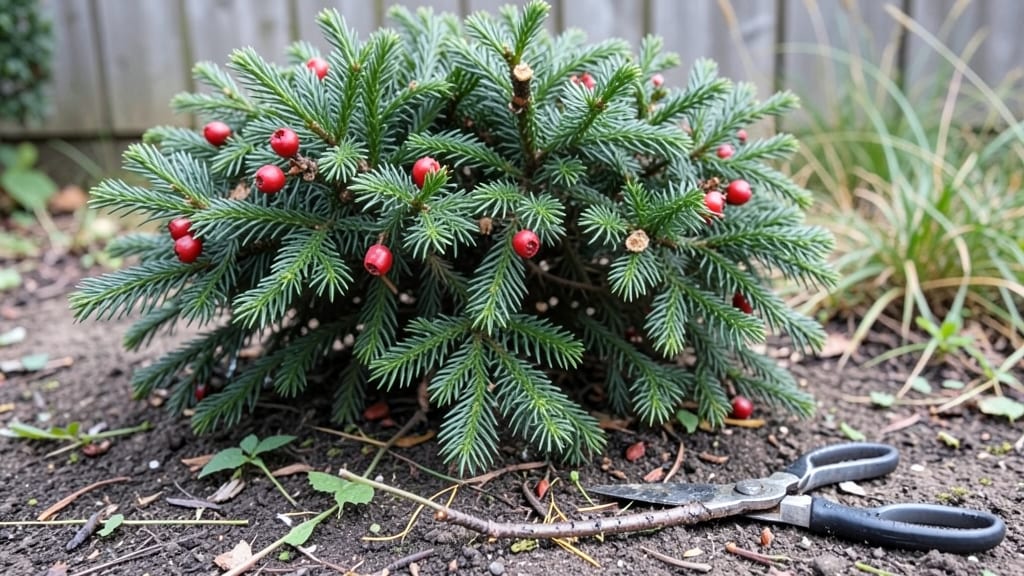
Pruning a yew shrub transforms it from a wild tangle into a neat, structured centerpiece for your landscape. 🌿 I’ve pruned these evergreens for years, and the difference between a shrub that looks like a cloud and one that looks like a sculpture comes down to timing, technique, and a little patience.
The key isn’t just cutting back—it’s shaping the growth pattern so the plant stays dense and healthy year after year.
You’ll need sharp pruners (dull blades tear the bark), loppers for thicker branches, and gloves—those berries are toxic if ingested. Late winter or early spring is the best time to prune, but you can do light shaping anytime except during extreme heat or drought.
The goal is to encourage new growth from the inside out, so focus on thinning (removing entire branches) rather than just trimming the tips.
What you’ll end up with is a yew shrub that looks like it was designed by a pro—dense foliage, clean lines, and a shape that holds up all season. Formal hedges stay crisp, while informal shapes develop natural texture.
The secret? Prune just enough to guide growth, never so much that you strip the center bare. A little effort now means fewer struggles later.
Works for both formal hedges and natural-looking shrubs, and the techniques adapt to different yew varieties. Ready to give your yew the shape it deserves? Let’s get started with the right cuts.
📚 In This Guide
- What you need
- Instructions
- Tips and common mistakes
- Wrapping up and next steps
What you need
- ● Sharp pruning shears – Bypass pruners (4-6 inch blades) for clean cuts on small branches.
- ● Pruning saw – A curved-tooth saw for thicker branches (2+ inches in diameter).
- ● Loppers – Bypass or anvil-style (8-10 inch blades) for medium-sized branches.
- ● Gloves – Heavy-duty, cut-resistant (e.g., leather or synthetic blend) to protect hands from thorns.
- ○ Pruning sealant (optional) – A tree wound dressing (like Tanglefoot Tree Wound Pruning Seal) for large cuts (1 inch or wider).
- ● Heavy-duty trash bags – 2-3 large bags (13-gallon or bigger) for debris.
- ○ Disposable pruning bag – Optional but handy for collecting clippings as you go.
- ● Safety glasses – To shield eyes from flying debris.
- ● Ladder (if needed) – A stable, extendable ladder (rated for your height/weight) for tall shrubs.
- ● Choose the right time – Early spring (before new growth) or late winter for major pruning; light shaping can be done year-round.
- ● Check the weather – Prune on a dry, overcast day to avoid stressing the plant.
- ● Assess the shrub’s health – Look for dead, diseased, or crossing branches to prioritize removal.
Step-by-step guide to pruning a yew shrub for year-round shape
Here’s the method I’ve used to keep yews dense, healthy, and picture-perfect through all four seasons.
✂️ Step 1: Time Your Pruning for Optimal Growth
Yews respond best to light, regular pruning rather than drastic cuts. The ideal time is late winter to early spring (just as new growth begins), but you can also prune lightly in late summer to encourage fresh foliage before fall. Avoid heavy pruning in fall—it stresses the plant and invites winter dieback.
Watch for new growth buds along the stems—these are your signal that the shrub is waking up. Prune when you see 10-15% of buds swelling, usually in February or March in most climates. If you’re shaping a formal hedge, do two light prunings—once in spring and once in summer—to maintain crisp edges.
✂️ Step 2: Gather Tools and Assess the Shrub
You’ll need sharp, clean pruning shears (bypass pruners work best for fine cuts) and hand pruners for thicker stems. Disinfect your tools with rubbing alcohol before and after pruning to prevent spreading disease. Examine the yew for dead, diseased, or crossing branches—these go first.
Step back and study the shape. Yews naturally grow dense and rounded, but over time, they can develop uneven growth or bare spots. Mark areas that need thinning with a piece of twine or spray paint—this keeps you from over-pruning in one spot. Never remove more than one-third of the foliage in a single session, or you risk shocking the plant.
✂️ Step 3: Thin Out and Shape the Interior
Start by thinning the interior to improve airflow and light penetration. Remove sparse, weak, or inward-growing branches at their base—this opens up the center and prevents a hollow center. Cut just above a healthy bud or side branch to encourage new growth in the right direction.
For formal shapes, use a string line to guide your cuts. Trim just beyond the string to maintain symmetry. Avoid shearing (cutting all leaves evenly)—this creates a "lawn-like" look that yews hate. Instead, shape with individual cuts to preserve the natural texture. If you see long, leggy branches, shorten them by one-third to encourage bushier growth.
✂️ Step 4: Refine the Outer Edges
Once the interior is open, move to the outer edges. Use your shears to soften any rough areas while maintaining the overall silhouette. For a natural look, leave some textured, uneven edges—yews thrive on organic shape. If you’re pruning a hedge, make clean, angled cuts to create a tapered edge that sheds rainwater.
Step back frequently to check your progress. The goal is a balanced, full appearance without bare patches. If you see yellowing or brown tips, you’ve pruned too aggressively—yews are resilient but not invincible. Water deeply after pruning to help the plant recover, especially if you’ve made larger cuts.
✂️ Step 5: Clean Up and Monitor Growth
Rake up and dispose of pruned debris (don’t compost diseased branches). Wipe down your tools again with alcohol to prevent contamination. After pruning, mulch the base with 2-3 inches of organic mulch (like shredded bark) to retain moisture and protect roots.
Watch the yew over the next 4-6 weeks. Healthy new growth should appear within 2-3 weeks if you’ve pruned at the right time. If growth stalls, you may have pruned too late or too heavily. Adjust future pruning accordingly—yews reward gentle, consistent care with decades of lush, vibrant foliage.
Tips & tricks for pruning a yew shrub like a pro
Pruning yews isn't rocket science, but these refined techniques will help you avoid common mistakes and achieve that showstopping shape year after year.
Timing is Everything: The February-March window isn't just arbitrary—it aligns with the plant's natural growth cycle. If you miss this, don't despair: light summer pruning still works, but avoid fall cuts entirely. I've seen yews recover from spring pruning mistakes, but fall pruning can leave them vulnerable to winter stress.
Tool Prep Matters More Than You Think: That rubbing alcohol step isn't optional—it's disease prevention. I've had to replace pruners after using them on infected plants, and it's a costly lesson. Also, bypass pruners give cleaner cuts than anvil pruners, which can crush stems. Sharpen your tools before each session to make cuts that heal faster and look professional.
The One-Third Rule is Non-Negotiable: Never remove more than one-third of the foliage in a single session, even if the shrub looks overgrown. Yews are tough but not indestructible. I learned this the hard way after turning a thriving 20-foot hedge into a sad, brown mess. Spread your pruning over multiple seasons if needed—your yew will thank you with decades of lush growth.
Visual Cues Over Rulers: Instead of measuring cuts, train your eye to recognize the "one-third" reduction. Look for where branches naturally taper—this is where you should cut. For leggy branches, imagine dividing them into thirds and cutting at the top third. This technique preserves the plant's natural shape while encouraging bushier growth.
Pro Tips for Prune A Yew Shrub
- Pruning yews isn't rocket science, but these refined techniques will help you avoid common mistakes and achieve that showstopping shape year after year.
- Timing is Everything: The February-March window isn't just arbitrary—it aligns with the plant's natural growth cycle.
- Tool Prep Matters More Than You Think: That rubbing alcohol step isn't optional—it's disease prevention.
Frequently asked questions
Got questions about pruning your yew shrub? You’re not alone! Here are some of the most common concerns—plus expert answers to keep your shrub thriving.
When is the best time to prune a yew shrub?
Prune yew shrubs lightly in early spring (March–April) to encourage new growth, and do heavier shaping in late spring or early summer (May–June). Avoid pruning in fall or winter, as this can stress the plant. For formal hedges, a light trim every 4–6 weeks keeps them neat without overdoing it.
Can I prune a yew shrub in winter?
While yews are evergreen and can tolerate light pruning year-round, avoid heavy cuts in winter (November–February). Cold weather slows healing, and new growth may be stunted. If you must prune, stick to minor shape adjustments—never more than 10–15% of the foliage at once.
What should I do if my yew shrub looks brown or patchy after pruning?
Brown spots after pruning are often normal, especially if you cut into old wood. However, if large sections die back, check for over-pruning or pests (like bagworms or spider mites). Improve care by watering deeply, mulching, and fertilizing with slow-release, acid-loving plant food in early spring.
How much can I trim a yew shrub at once?
Never remove more than 25–30% of the foliage in a single session—yews are resilient but can struggle with aggressive pruning. For mature shrubs, spread heavy cuts over 2–3 years. Thin out dense areas first, then shape the outer edges to maintain a natural, full look.
Do yew shrubs need pruning if they’re planted in a wild, natural style?
Even "wild" yews benefit from selective pruning to remove dead, crossing, or overcrowded branches. Focus on opening up the center for airflow and sunlight. A light trim 1–2 times a year keeps them healthy without sacrificing their organic shape.
Wrapping up and next steps
Pruning your yew shrub doesn’t have to be intimidating—with the right tools, timing, and techniques, you’ll unlock healthy, vibrant growth all year long! 🌿 Whether you’re shaping a hedge, encouraging fullness, or simply tidying up, remember: consistency and patience are your best friends.
Start small, observe your shrub’s response, and adjust as needed.
Ready to take your yew’s potential to the next level? Next up: Monitor your shrub’s progress over the seasons and fine-tune your approach. Happy pruning—your green thumb will thank you! 🌟