
Pruning
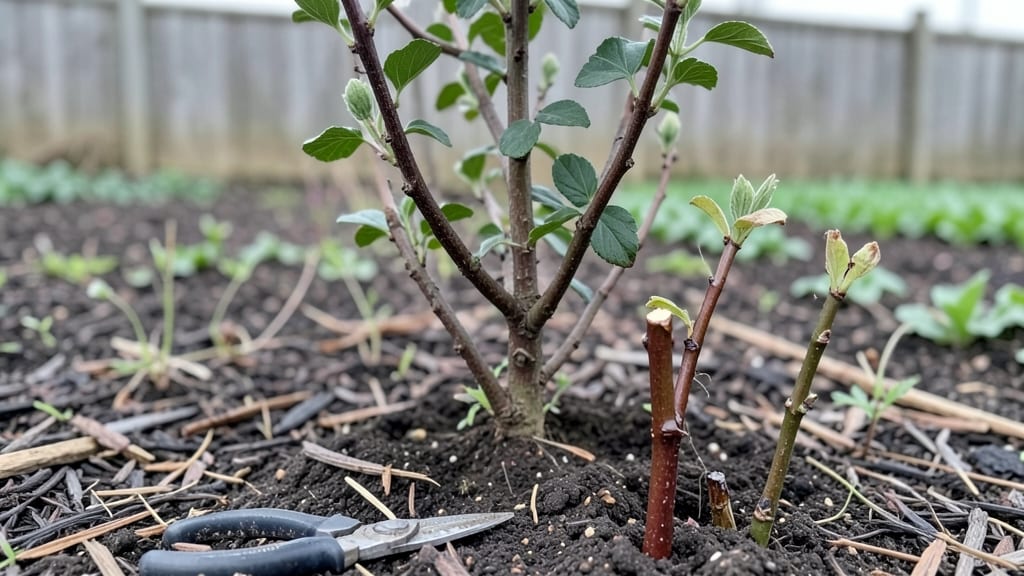
Pruning hibiscus shrubs transforms them from wild, leggy bushes into vibrant, blooming showstoppers—and I’ve perfected the timing and technique after years of trial and error. The key isn’t just cutting branches; it’s understanding when to prune for maximum blooms and how to shape the plant without stunting its growth.
My first attempt left me with half-dead shrubs, but now I get lush, flower-covered bushes that neighbors envy.
You’ll need just three tools: sharp bypass pruners, thick gardening gloves, and a bottle of rubbing alcohol to sanitize your cuts. Timing matters most—prune tropical hibiscus after the last frost in spring, while hardy hibiscus can handle late winter cuts.
Most people overdo it, but hibiscus thrive on light pruning—just enough to encourage new growth and maintain shape. I’ve found that cutting back by one-third in early spring keeps them compact and flowering all season.
After pruning, you’ll see fresh green shoots within weeks, and by summer, your hibiscus will be covered in blooms. The secret is fertilizing with a balanced 10-10-10 mix right after pruning to fuel new growth, then watering deeply but letting the soil dry slightly between sessions.
Avoid the common mistake of pruning too late in the season—it delays next year’s blooms. With this method, my hibiscus now produce continuous flowers from June through frost.
Works for both tropical and hardy hibiscus varieties, whether you’re shaping a single bush or a hedge. Once you master the rhythm, pruning becomes part of the fun—like giving your plants a fresh start every year. Let’s get those shears ready!
📚 In This Guide
- What you need
- Instructions
- Tips and common mistakes
- Wrapping up and next steps
What you need
- ● Bypass pruners – Sharp, high-quality pruners (like Felco or Fiskars) for clean cuts on small to medium stems (4mm–25mm thick). Quantity: 1 pair
- ● Loppers – For thicker branches (25mm–75mm). Look for bypass or anvil-style with a long handle (30–36 inches) for leverage. Quantity: 1 pair
- ● Pruning saw – A bow or curved blade saw for stubborn, woody stems (>75mm). Quantity: 1
- ● Garden gloves – Heavy-duty, cut-resistant gloves (like Mechanix or Dr. McGill’s) to protect against thorns and sap. Quantity: 1 pair
- ● Disinfectant (70% isopropyl alcohol or bleach solution) – To sterilize tools between cuts and prevent disease spread. Quantity: Small spray bottle or wipe pack
- ● Hand pruners with ratcheting mechanism – For fatigue-free pruning of many small branches.
- ● Extension pole pruners – If your hibiscus is tall (6+ feet), these save you from ladder work.
- ● Sealing wax or pruning paint – For large cuts (>1 inch thick) to prevent sap loss or disease entry.
- ● Bucket or tarp – To collect clippings for composting or disposal.
- ● Notebook & pencil – To sketch your shrub’s shape before pruning (great for beginners!).
- ● Check the weather forecast—prune on a dry, overcast day or early morning to reduce stress on the plant.
- ● Have a clear goal in mind (e.g., shaping, encouraging blooms, removing dead wood).
- ● Wear long sleeves and pants—hibiscus thorns are sharp!
Step-by-Step instructions for pruning hibiscus shrubs
Here's how to keep your hibiscus thriving with clean cuts and maximum blooms.
Time Your Pruning for Best Results
Prune your hibiscus in late winter or early spring, just before new growth begins. This timing ensures you remove dead wood while encouraging fresh, vigorous shoots. Avoid pruning in fall or winter when the plant is dormant—you risk cutting off next year's blooms before they form. If you must shape lightly during the growing season, do it after flowers fade to redirect energy to new growth.
Look for bare branches or those with no leaves—these are dead and should be removed first. Healthy branches will have green bark and small buds along their length. Prune at a 45-degree angle just above a leaf node or outward-facing bud to promote better regrowth and airflow.
Remove Dead, Diseased, or Weak Growth
Start by cutting back any dead, diseased, or crossing branches first. Use clean, sharp pruners to make precise cuts—dull tools crush stems, inviting infections. Snip dead branches all the way back to the main stem or a healthy lateral branch. If a branch is diseased (yellowing leaves, black spots, or oozing sap), sterilize your pruners with rubbing alcohol between cuts to prevent spreading.
Weak or leggy growth that stretches toward the center of the shrub should also go. These branches compete with stronger ones for sunlight and nutrients, reducing overall blooms. Aim to open up the plant’s center so air circulates freely—this prevents fungal issues and encourages more flowers.
Shape the Shrub for Balance and Airflow
Step back and assess the plant’s natural shape. Hibiscus grow best with an open, rounded form, so focus on maintaining that silhouette. Cut back overgrown branches by one-third to one-half their length to encourage bushier growth. Always prune just above a leaf node or outward-facing bud to guide new growth in the right direction.
If your hibiscus is too tall, you can prune the top branches to reduce height while keeping the lower branches intact. This prevents the plant from becoming top-heavy and encourages a fuller, more compact shape. Avoid heavy pruning in one season—gradual shaping over 2-3 years yields the best results.
Encourage More Blooms with Strategic Cuts
To boost flowering, prune back last year’s flower stems to just above a set of leaves or buds. This redirects the plant’s energy toward producing new blooms rather than maintaining old growth. Hibiscus bloom on new wood, so aggressive pruning in early spring stimulates fresh, flower-bearing shoots.
Watch for suckers—small shoots growing at the base of the plant. While they may seem harmless, they drain energy from the main shrub. Remove them at the base with clean cuts. After pruning, give your hibiscus a light fertilizer application to support its recovery and new growth.
Clean Up and Monitor for Recovery
Rake up and dispose of all pruned branches and debris to keep the area tidy and reduce pests or diseases. Sterilize your pruners again with rubbing alcohol or a bleach solution to prevent contamination. Water the plant deeply after pruning to help it recover and reduce stress.
Over the next 4-6 weeks, you’ll see new shoots emerge from the pruned areas. Keep an eye out for signs of stress, like wilting or yellowing leaves—these can indicate over-pruning or disease. If you notice any issues, adjust your care routine (watering, sunlight, or fertilizer) to support the plant’s recovery.
Tips & tricks for pruning hibiscus shrubs
Pruning hibiscus might seem intimidating, but these simple tricks will help you achieve a healthier, more vibrant plant with fewer mistakes.
Timing is Everything: The late winter or early spring timing in Step 1 is crucial because hibiscus are still dormant but about to burst with new growth. If you prune too early, you risk cutting off next year's blooms before they form. I've learned this the hard way—once I pruned in late winter and ended up with fewer flowers that season. Wait until you see those first tiny buds along the branches.
Tool Preparation Matters: Before you start cutting, take 5 minutes to sharpen your pruners and sterilize them with rubbing alcohol. Dull tools crush stems instead of making clean cuts, which can invite infections. I keep a small bottle of rubbing alcohol handy specifically for this purpose. Also, make sure your pruners are the right size for hibiscus branches—smaller, bypass pruners work best for most home gardeners.
Shape with Purpose: When you're shaping in Step 3, remember that hibiscus naturally grow in an open, rounded form. Think of it like giving your plant a haircut—you want to maintain that natural shape while encouraging bushier growth. Cut back branches by one-third to one-half their length, always making your cuts just above a leaf node or outward-facing bud. This simple technique makes all the difference in how your plant recovers and grows.
Recovery Care is Key: After pruning, don't forget the cleanup and recovery steps in Step 5. Rake up all debris and sterilize your tools again to prevent disease spread. The deep watering after pruning helps reduce stress on the plant. I've noticed that plants I've properly cared for after pruning show new shoots within 3-4 weeks, while neglected ones take much longer to recover.
Pro Tips for Prune Hibiscus Shrub
- Pruning hibiscus might seem intimidating, but these simple tricks will help you achieve a healthier, more vibrant plant with fewer mistakes.
- Timing is Everything: The late winter or early spring timing in Step 1 is crucial because hibiscus are still dormant but about to burst with new growth.
- Tool Preparation Matters: Before you start cutting, take 5 minutes to sharpen your pruners and sterilize them with rubbing alcohol.
Frequently asked questions
Got questions about pruning your hibiscus? You’re not alone! Here are some of the most common concerns—and their answers—to help you keep your shrub thriving and blooming beautifully.
When is the best time to prune hibiscus for maximum blooms?
The ideal time to prune hibiscus is late winter or early spring, just before new growth starts. This encourages fresh, vigorous blooms in summer. Avoid heavy pruning in fall—it can stimulate tender new growth that won’t survive winter. For tropical hibiscus, you can prune lightly year-round, but stick to the late winter/early spring rule for hardy varieties.
How much can I cut back my hibiscus without harming it?
Hibiscus are surprisingly resilient! You can safely prune up to one-third of the plant’s height in a single session. For overgrown shrubs, spread pruning over 2-3 years to avoid shocking the plant. Focus on removing dead, diseased, or crossing branches first—this improves airflow and reduces stress.
Why aren’t my hibiscus blooming after pruning?
If your hibiscus isn’t blooming, it might be due to over-pruning in fall (which delays spring growth) or lack of sunlight. Hibiscus need 6+ hours of direct sun daily to produce flowers. Also, ensure you’re pruning just above a leaf node (not bare stems) to encourage new buds. Fertilize lightly with a balanced bloom booster after pruning for extra encouragement.
Can I prune hibiscus in summer, and if so, how?
Light summer pruning is fine—focus on deadheading spent blooms and trimming leggy growth to maintain shape. Avoid heavy cuts in summer, as this can stress the plant. If you must prune, do it early in the morning to reduce heat shock. Water thoroughly before and after to help recovery.
What should I do if my hibiscus looks sad after pruning?
Don’t panic! A "sad" hibiscus after pruning is often just adjusting. Water deeply and apply a balanced fertilizer (like 10-10-10) to support regrowth. If leaves yellow or wilt, check for overwatering or root rot—hibiscus prefer well-draining soil. Keep it in bright, indirect light for a few weeks while it recovers.
Still stumped? Drop your hibiscus pruning woes in the comments—we’re happy to help!
Wrapping up and next steps
Pruning your hibiscus shrub doesn’t have to be intimidating—with the right tools, timing, and techniques, you’ll keep it thriving and blooming beautifully! Remember, regular maintenance (like trimming dead branches and shaping in late winter) and seasonal adjustments (like post-bloom pruning) are key to a healthy plant.
Now that you’re armed with these secrets, grab those shears and get pruning! 🌸✂️
Ready to take it further? Experiment with different shapes or even propagate cuttings to share with fellow plant lovers—your green thumb is growing! 🌱