
Pruning
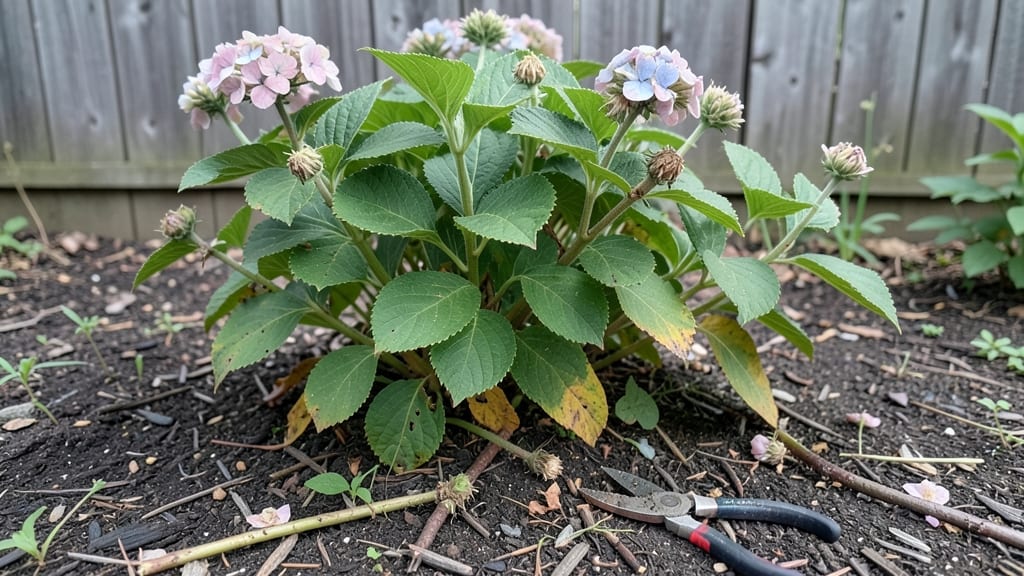
Pruning plants and shrubs feels like giving them a fresh start—except when you do it wrong, you end up with a sad, leggy mess. 🌿 I’ve turned my pruning disasters into lush, productive growth by learning the right cuts, the right tools, and the right timing.
The difference between a thriving bush and one that barely survives often comes down to these simple but precise steps.
You’ll need just a few basics: sharp pruners, loppers for thicker branches, and maybe a saw for stubborn growth. The key is cutting at the right angle—just above a leaf node or bud—and never leaving stubs.
Most people over-prune or wait too long, but with the right approach, you’ll encourage fuller growth and more blooms. Even my black thumb can’t mess this up once you know the rules.
By the end of this, your plants will look healthier than ever—thicker stems, more flowers, and fewer diseases. Spring will bring vibrant new growth, and your shrubs will stay compact and manageable. The best part? You’ll finally understand why pruning isn’t just maintenance—it’s a way to shape your garden’s future.
Works for everything from roses to hydrangeas, and we’ll cover seasonal timing so you’re never left guessing. Let’s get those shears out and make your plants shine!
📚 In This Guide
- What you need
- Instructions
- Tips and common mistakes
- Wrapping up and next steps
What you need
- ● Pruning shears: Bypass pruners (for clean cuts on small branches, 5–7 inches long, with sharp, stainless steel blades). Anvil pruners (for thicker branches, 6–8 inches long).
- ● Loppers: Bypass loppers (for branches ¾–2 inches thick, 8–12 inches long, with a comfortable grip).
- ● Pruning saw: Curved-tooth saw (for branches 2+ inches thick, with a 10–14-inch blade).
- ● Gloves: Heavy-duty gardening gloves (cut-resistant, with a snug fit for protection and grip).
- ● Disinfectant: Rubbing alcohol (70%+) or bleach solution (1 part bleach to 9 parts water) (to sterilize tools between cuts and prevent disease spread).
- ● Extension pole: For hard-to-reach branches (10–12 feet long, with a pruning saw or shears attachment).
- ● Tarp or drop cloth: To catch debris and protect surfaces below.
- ● Marking spray: Non-toxic paint (to mark branches for removal or highlight cuts).
- ● Safety glasses: To shield eyes from debris, especially when sawing.
- ● Pruning sealant: (For large cuts on woody plants to prevent disease, like tree wound paint).
- ● Check the weather: Prune on a dry, calm day (avoid wind or rain to prevent stress on plants).
- ● Know your plant: Research the specific pruning needs of your shrubs or plants (timing, technique, and growth habits).
- ● Safety first: Wear closed-toe shoes and avoid pruning near power lines.
Step-by-Step guide to pruning plants and shrubs for year-round health
Pruning keeps your garden thriving—here’s how to do it right, season by season.
⏰ Step 1: Plan Your Pruning by Season
Timing matters more than technique. For most shrubs, prune in late winter or early spring before new growth begins—this is when plants are dormant but about to wake up. Flowering shrubs like hydrangeas or lilacs need a different approach: prune right after blooming to preserve next year’s flowers. Evergreens can handle light shaping anytime, but avoid heavy cuts in winter when they’re stressed.
I always check my garden calendar first. If you’re unsure about a specific plant, a quick online search for its name plus “pruning timing” gives the exact window. Never prune in fall unless you’re dealing with dead or diseased branches—wounds take time to heal before winter sets in.
✂️ Step 2: Gather the Right Tools and Sanitize Them
Use sharp, clean pruners—dull blades tear instead of cut, damaging plants. For thicker branches, grab your loppers or pruning saw. I keep a small bottle of rubbing alcohol or bleach solution (1 part bleach to 9 parts water) nearby to wipe tools between cuts. This prevents spreading disease from one plant to another.
Check your tools before you start. If the blades are rusted or the handles are cracked, replace them. A good pair of pruners should feel comfortable in your hand—you’ll be using them often. Store them in a dry place to prevent rust between sessions.
🌿 Step 3: Remove Dead, Diseased, or Damaged Wood First
Start by scanning each plant for dead branches (no leaves, brittle when bent) or diseased wood (mushy, discolored, or oozing sap). Cut these out first—they’re the easiest to spot and the most critical to remove. Use your pruners at a 45-degree angle, about ¼ inch above a healthy bud or branch collar (the swollen area where the branch meets the trunk).
Don’t leave stubs—they invite rot and pests. If a branch is too thick for your loppers, use your pruning saw and make the cut just outside the branch collar. You’ll see a smooth, clean cut that heals faster. This step alone makes a huge difference in plant health.
🌱 Step 4: Shape for Airflow and Light Penetration
Next, thin out the center of the shrub to let light and air circulate. Remove branches that cross or rub against each other—these create wounds and block growth. Aim to open up the plant so you can see 3-4 inches into the center. For young shrubs, focus on removing weak or overly crowded stems to encourage stronger growth.
Step back often to check your work. If the plant looks lopsided, adjust your cuts to balance it out. Avoid cutting more than ⅓ of the plant’s foliage in one session—this stresses the shrub. You’ll notice healthier, bushier growth within a few weeks if you’ve done it right.
✂️ Step 5: Finish with Light Maintenance Cuts
Now’s the time for minor adjustments—trimming back overgrown branches to maintain shape, or pinching off new growth to encourage bushier growth. For flowering plants, cut back spent blooms to just above a set of healthy leaves (this encourages more flowers). Use your pruners for clean cuts, and avoid shearing with hedge trimmers unless you’re shaping a formal hedge.
Clean up any fallen debris and dispose of it properly—don’t compost diseased branches. A quick spray of neem oil or horticultural oil on your tools after pruning keeps them ready for next time. Your garden will look tidier, and the plants will reward you with stronger, more vibrant growth.
Tips & tricks for pruning plants and shrubs like a pro
Here's what I've learned after years of pruning—these tricks will help your garden thrive without stressing your plants.
The Seasonal Timing Secret: In Step 1, when you're planning your late winter/early spring pruning, mark your calendar for two weeks before the last frost date in your area. This gives plants just enough time to recover before spring's growth surge. For flowering shrubs, I set a reminder to prune immediately after blooms fade—waiting too long means sacrificing next year's flowers.
Tool Sharpening Strategy: Before you start Step 2, test your pruners' sharpness by making a clean cut through a piece of paper. If it tears instead of cuts cleanly, your blades need sharpening. I keep a small file in my gardening toolkit—just a few strokes along the blade's edge makes all the difference. Dull tools crush plant tissue, creating larger wounds that heal more slowly.
Branch Collar Identification: In Step 3, when you're cutting dead branches, look for that branch collar—it's the swollen area where the branch meets the trunk. If you can't see it clearly, trace the branch's outline with your finger to find where it naturally tapers. Cutting just outside this collar gives your plant the best chance to heal properly and prevents unsightly stubs.
Light Penetration Test: After completing Step 4, step back and shine a flashlight into the center of your shrub. You should see light penetrate 3-4 inches into the plant. If you can't, you need to remove more branches. This simple test helps prevent that "mushroom" effect where the center stays dark and crowded while the outer branches grow wild.
Pro Tips for Prune Plants And Shrubs
- Here's what I've learned after years of pruning—these tricks will help your garden thrive without stressing your plants.
- The Seasonal Timing Secret: In Step 1, when you're planning your late winter/early spring pruning, mark your calendar for two weeks before the last frost date in your area.
- Tool Sharpening Strategy: Before you start Step 2, test your pruners' sharpness by making a clean cut through a piece of paper.
Frequently asked questions
Got questions about pruning? You’re not alone! Here are answers to the most common concerns—whether you're a beginner or just need a quick refresher.
When is the best time to prune shrubs?
The ideal timing depends on the plant, but late winter or early spring (before new growth starts) is best for most shrubs. Evergreens can be pruned in summer, while flowering shrubs should be trimmed right after blooming. Avoid heavy pruning in fall—it can stimulate tender new growth vulnerable to frost.
Can I prune too much?
Yes! Over-pruning—cutting back more than 1/3 of the plant’s foliage at once—can stress shrubs, reduce flowering, and even kill them. Rule of thumb: Never remove more than 25-30% in a single session. If you’re unsure, prune lightly and monitor the plant’s recovery over a few weeks.
What if my plant doesn’t bloom after pruning?
Some shrubs (like hydrangeas or azaleas) bloom on old wood—pruning too late can mean no flowers next season. Others (like butterfly bush) bloom on new growth and thrive with spring pruning. Check your plant’s type and adjust timing or avoid heavy cuts if blooms are a priority.
Can I use hedge trimmers for all shrubs?
Hedge trimmers work for formal hedges (like boxwood or privet), but they can damage delicate stems on flowering shrubs or trees. For most shrubs, hand pruners or loppers give you better control. Save trimmers for clean, straight cuts—never for shaping irregular shrubs.
What do I do if my shrub looks sad after pruning?
Don’t panic! Yellow leaves or wilting can mean shock, but most shrubs bounce back in 2-4 weeks. Water deeply after pruning, avoid fertilizing for a month, and prune on a cloudy day to reduce stress. If the problem persists, check for pests or disease—sometimes pruning reveals hidden issues.
Wrapping up and next steps
Pruning your plants and shrubs doesn’t have to be intimidating—it’s all about timing, technique, and a little patience. 🌱 Whether you’re shaping a rose bush, reviving a leggy herb, or maintaining a tidy hedge, the key is to work with your plants’ natural rhythms and focus on their long-term health.
With the right tools, a clear plan, and confidence in your approach, you’ll see stronger growth, fewer pests, and a garden that thrives year after year.
Ready to take the next step? Start small—pick one plant or shrub and practice your pruning skills. Before you know it, you’ll be a pruning pro, and your garden will thank you for it! 🌟