
Pruning
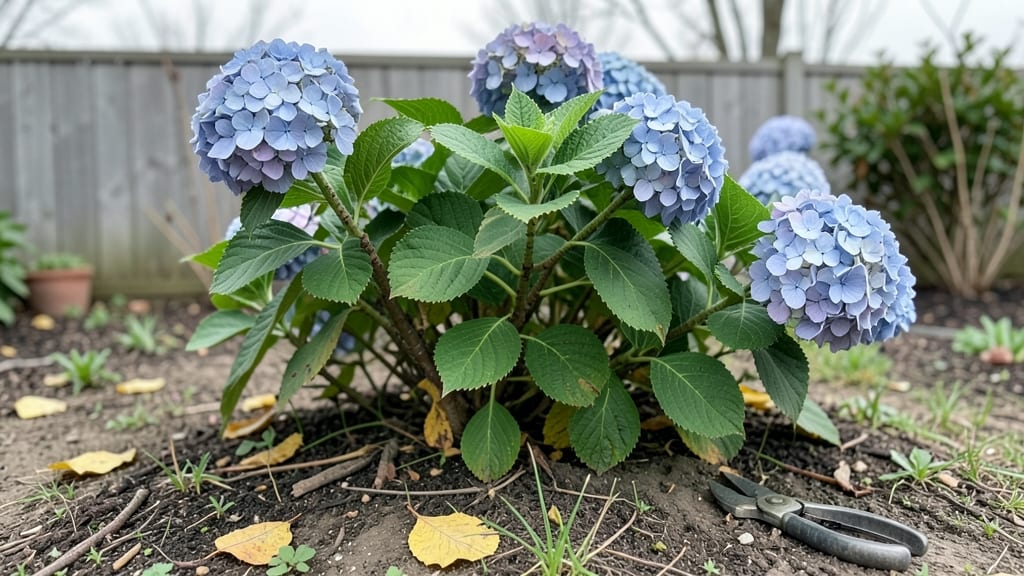
Pruning hydrangea shrubs the right way turns floppy, overgrown bushes into showstopping bloomers every season. ✨ I’ve watched my own hydrangeas go from scraggly messes to lush, flower-covered giants just by following these seasonal timing secrets—no guesswork involved.
The key is knowing when to cut: late winter for mopheads and lacecaps, summer for panicles. You’ll need sharp bypass pruners, a pair of gloves, and a clear head—because one wrong snip can mean next year’s blooms never appear.
Most people over-prune or cut at the wrong time, and that’s how you end up with sparse flowers.
By spring, you’ll see thick, vibrant blooms where there were once bare stems. The flowers stay fuller longer, the plant grows more compact, and you’ll actually enjoy trimming instead of dreading it. Here’s how to get it right the first time.
Works for all hydrangea types, from the classic mopheads to the bold panicles. Let’s make your shrubs the envy of the neighborhood—without the guesswork.
📚 In This Guide
- What you need
- Instructions
- Tips and common mistakes
- Wrapping up and next steps
What you need
- ● Pruning shears: Bypass pruners (for clean cuts) or anvil pruners (for thicker stems). Choose sharp, high-quality shears (e.g., Felco or Fiskars) to avoid crushing stems.
- ● Loppers: Bypass-style (for stems up to 2 inches thick). Look for ergonomic handles (e.g., Corona or Bahco) for comfort.
- ● Hand pruners: Bypass or ratcheting for smaller branches (e.g., Felco F-2). Disinfect with rubbing alcohol between cuts to prevent disease.
- ● Gloves: Heavy-duty gardening gloves (e.g., Wolverine or Fox River) to protect against thorns and sap.
- ● Pruning saw: Curved-blade folding saw (e.g., Felco or Fiskars) for thick, woody stems over 2 inches.
- ● Disinfectant: 70% isopropyl alcohol or a 10% bleach solution (1 part bleach to 9 parts water) to sterilize tools.
- ● Rag or paper towels: For cleaning tools and wiping sap.
- ● Bucket or trash bag: For collecting pruned debris.
- ● Notebook & pen: To jot down notes on pruning decisions (e.g., "removed dead wood on east side").
- ● Extension pole pruners: For reaching high branches without a ladder (e.g., Fiskars or Corona).
- ● Ladder: Sturdy, lightweight aluminum ladder (e.g., Little Giant) for tall hydrangeas (max height: 6+ feet).
- ● Pruning sealant: Tree wound dressing (e.g., Tanglefoot Tree Wound Pruning Sealer) for large cuts (controversial—skip if unsure!).
- ● Plant food: Balanced fertilizer (e.g., 10-10-10 or compost) to nourish hydrangeas post-pruning.
- ● Safety glasses: Protect your eyes from debris.
- ● Knee pads: For comfort during long pruning sessions.
Step-by-step guide to pruning hydrangeas for abundant flowers
Pruning hydrangeas isn't rocket science—it's about timing and technique. Let's get those shrubs blooming like crazy.
✂️ Step 1: Identify Your Hydrangea Type First
Not all hydrangeas bloom the same way, and pruning them wrong can mean no flowers next season. Bigleaf hydrangeas (Hydrangea macrophylla) bloom on old wood—last year's growth—so you only prune to shape after they've flowered. Smooth hydrangeas (Hydrangea arborescens) bloom on new wood, so you can cut them back hard in late winter or early spring. Oakleaf hydrangeas (Hydrangea quercifolia) also bloom on old wood but handle pruning a bit more flexibly.
I always check the flower buds in late winter. If they're already swollen, don't prune yet—you're looking at old-wood bloomers. If the stems are bare, it's safe to cut back. This simple check saves me from accidentally removing next year's flowers.
⏰ Step 2: Prune at the Right Time for Your Type
For old-wood bloomers, wait until late spring or early summer—after you've seen flowers fade for the season. This gives the plant time to set next year's buds. I like to prune in June or July because it also encourages bushier growth for the current season. Cut back stems to just above a bud or set of leaves, using clean, sharp pruners.
For new-wood bloomers, prune in late winter or early spring before new growth starts. You can cut back up to one-third of the plant without worry. I aim for a rounded shape rather than a tight hedge—hydrangeas look best when they have some natural movement. Avoid pruning in fall, as this can stimulate tender new growth that won't survive winter.
🌿 Step 3: Shape and Thin for Airflow and Light
While pruning, focus on opening up the center of the shrub. Hydrangeas can get dense, and poor airflow leads to powdery mildew or fungal issues. Remove any dead, diseased, or crossing branches first—these are the easiest cuts. I always start at the bottom and work my way up, so I don't accidentally cut off more than I intended.
Next, look for overcrowded stems. If you see branches growing inward, cut them back to the nearest outward-facing bud. This creates a vase-like shape that lets light and air reach the center. Aim to leave strong, outward-growing stems—these will produce the most flowers. Never remove more than one-third of the plant in a single pruning session, even if it looks messy.
✂️ Step 4: Clean Up and Encourage New Growth
After pruning, rake up and dispose of any fallen leaves or debris around the base of the plant. This reduces pests and diseases overwintering in the garden. I also like to apply a light layer of mulch (about 2-3 inches) to protect the roots and retain moisture. Avoid piling mulch right against the stems—keep it 2-3 inches away to prevent rot.
For old-wood bloomers, you'll see new growth at the tips of last year's stems within a few weeks. For new-wood types, you'll notice bold new shoots from the base in early spring. This is your sign that the plant is happy and ready to bloom. If you see weak, leggy growth, it might mean your hydrangea needs more morning sun—they thrive in partial shade but still need a few hours of direct light daily.
🌱 Step 5: Monitor and Adjust Through the Season
Check your hydrangeas monthly during the growing season for any deadheading needs. If old flowers start to brown but haven't fully faded, snip them off to keep the plant looking tidy. This also redirects energy to new blooms. I use bypass pruners for clean cuts—never tear stems, as this can damage the plant.
If your hydrangea looks stressed—yellowing leaves, sparse blooms—it might need more water or better-draining soil. These plants love moist, well-draining soil and regular watering, especially during dry spells. A slow-release fertilizer in early spring can also give them a boost. With the right care, your hydrangeas will reward you with lush, vibrant blooms all season long.
Tips & tricks for perfect hydrangea pruning
Getting your hydrangeas to bloom beautifully takes more than just grabbing some pruners. Here are the secrets I've learned after years of trial and error—and a few too many sad, flowerless bushes.
The Bud Test: In late winter, don't guess which type of hydrangea you have—actually check those buds! If they're already swollen and plump, you're dealing with an old-wood bloomer like Bigleaf hydrangeas. If the stems are completely bare, congratulations, you can prune new-wood types like Smooth hydrangeas. I've made the mistake of pruning old-wood bloomers too early and ended up with no flowers the following season—don't make my mistake!
Timing Secret for Old-Wood Bloomers: When pruning your old-wood types in June or July, look for stems that have already flowered and are starting to fade. Cut back to just above the first set of outward-facing leaves or buds. This might sound tricky, but think of it like giving your plant a haircut—you want to leave the healthy growth while removing the dead flowers. The key is to make your cuts at a slight angle to prevent water from pooling on the stem.
Equipment Matters: Sharp, clean pruners are non-negotiable. I've used dull shears that crushed stems, causing more damage than good. Invest in a good pair of bypass pruners—they make clean cuts that heal properly. Also, sterilize your tools with rubbing alcohol between cuts if your plant shows signs of disease. And here's a pro tip: always start pruning from the bottom and work your way up. This way, if you accidentally cut too much, you're not ruining the top of your plant first.
Mulch Magic: After pruning, don't forget the mulch! Apply a 2-3 inch layer around your hydrangea, but keep it 2-3 inches away from the stems to prevent rot. I like to use shredded bark mulch because it breaks down slowly and improves soil quality over time. This layer helps retain moisture and protects roots from temperature swings. Plus, it looks great—no one will ever know you've been pruning like a pro!
Pro Tips for Hydrangea Shrub Pruning
- Getting your hydrangeas to bloom beautifully takes more than just grabbing some pruners.
- The Bud Test: In late winter, don't guess which type of hydrangea you have—actually check those buds!
- Timing Secret for Old-Wood Bloomers: When pruning your old-wood types in June or July, look for stems that have already flowered and are starting to fade.
Frequently asked questions
Got questions about hydrangea pruning? You’re not alone! Here are answers to the most common concerns—so you can trim with confidence and keep your shrubs thriving.
When is the best time to prune hydrangeas?
The timing depends on your hydrangea type! Bigleaf (mophead/lacecap) hydrangeas bloom on old wood, so prune right after flowering (late summer/early fall). Panicle and oakleaf types bloom on new wood, so prune in late winter or early spring before buds swell. Always avoid pruning in fall for new-wood bloomers—you’ll cut off next year’s flowers!
How much can I cut back my hydrangea?
For old-wood bloomers, trim just the dead or overcrowded branches—never more than 1/3 of the plant. For new-wood types, you can be bolder: cut back 1/2 to 2/3 of the stems to the first set of buds or healthy growth. Over-pruning old-wood types risks no flowers the following season. When in doubt, less is more!
What if my hydrangea isn’t blooming after pruning?
No flowers? Check these fixes:
- Wrong timing: Old-wood types need pruning after blooming. New-wood types need pruning before spring growth.
- Over-pruned: If you cut back to bare stems, you’ve removed next year’s buds (for old-wood types).
- Poor sunlight: Hydrangeas need 6+ hours of sun (especially panicle types).
- Nutrient deficiency: Feed with acidic fertilizer (like coffee grounds or hydrangea-specific food) if soil pH is off.
If it’s still struggling, snap a photo and compare it to your hydrangea type—sometimes misidentification is the issue!
Can I prune hydrangeas in fall?
It’s risky for most types! Fall pruning can stimulate tender new growth that won’t survive winter frost, leaving your hydrangea vulnerable. Exception: Oakleaf hydrangeas tolerate light fall pruning, but even then, wait until after the first hard frost to avoid damage. Always prioritize late winter/early spring for new-wood bloomers.
What if I accidentally prune at the wrong time?
Don’t panic! If you pruned an old-wood hydrangea in spring, it may skip blooming that year, but it’ll recover. For new-wood types, late pruning just delays blooms—new stems will grow next season. Pro tip: Mark your hydrangea type with a plant tag or photo to avoid future mistakes!
How do I prune hydrangeas in cold climates?
Cold snaps can make pruning tricky, but timing is key:
- Wait until late winter (after the worst frost) for new-wood types.
- Use sharp, sterilized shears to avoid tearing branches in freezing temps.
- Mulch heavily around the base to protect roots before winter.
- If pruning in deep winter, do it on a mild day (above 40°F) to reduce stress.
If your hydrangea looks dead in winter, wait until spring—it might just be dormant!
Wrapping up and next steps
Pruning your hydrangea shrubs doesn’t have to be intimidating—with the right timing, tools, and techniques, you’ll unlock vibrant blooms and healthier growth year after year! Remember: deadheading spent flowers, shaping in early spring, and avoiding over-pruning are your best friends for a lush, thriving plant.
Now that you’re armed with seasonal secrets, grab those shears and give your hydrangeas the care they deserve.
Ready to transform your garden? Start small: pick one shrub this season, follow the steps, and watch your confidence—and your blooms—grow! 🌸✂️