
Shrubs
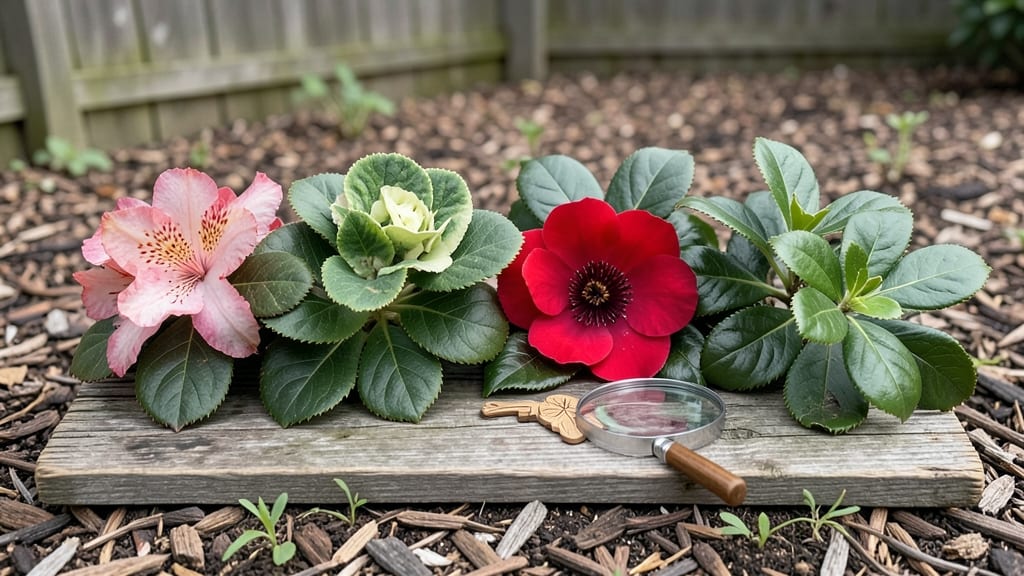
Identifying shrub leaves starts with a single glance that reveals their secrets—shape, edges, and veins tell you everything you need to know. 🌿 I’ve spent years staring at leaf patterns, and once you learn these visual cues, you’ll spot holly’s spiky edges or boxwood’s glossy ovals without hesitation.
The trick is noticing details most gardeners overlook: whether leaves are smooth or serrated, how they attach to the stem, or if they’re clustered or spaced out.
Take lilac, for example—its heart-shaped leaves with serrated edges and pointed tips are unmistakable once you know what to look for. But similar shrubs like privet or forsythia can fool you if you’re not paying attention to vein patterns or leaf arrangement.
A simple magnifying glass or a free plant ID app turns this into a game: snap a photo, compare it to your notes, and suddenly your yard becomes a living puzzle.
Once you master these visual clues, you’ll prune with confidence, diagnose pests correctly, and even predict how fast a shrub will grow. Think of it as shrub detective work—every leaf tells a story, and soon you’ll be the one telling others what they’re growing.
Here’s how to start decoding them today.
This method works year-round, whether you’re troubleshooting winter dieback or planning spring plantings. Grab a notebook, and let’s turn leaf identification into your new gardening superpower.
Why Leaves Look So Tricky
Identifying shrub leaves can feel like solving a botanical puzzle—especially when their shapes, textures, and arrangements seem to shift with the seasons or environmental stress. But why do leaves vary so much, even within the same species?
The answer lies in a mix of genetic traits, environmental pressures, and growth conditions. Understanding these factors helps you spot subtle clues that make leaf ID easier. Let’s break down the science behind the confusion.
Shrubs inherit leaf traits from their parents, but genetics aren’t set in stone. Even within a single species, leaves can differ due to:
- Hybridization: Crossbreeding between shrubs (e.g., Rhododendron hybrids) creates leaves with mixed shapes, serrations, or colors. For example, a Rhododendron catawbiense might have smoother edges, while a hybrid like ‘PJM’ could develop subtle serrations.
- Cultivar Differences: Nursery-grown shrubs (like Hydrangea macrophylla ‘Endless Summer’) are bred for specific leaf traits—size, color, or texture—but these can mutate slightly over generations.
- Polyploidy: Some shrubs (e.g., Cotoneaster) have extra chromosome sets, leading to larger, thicker leaves or altered venation patterns.
Pro Tip: 🔍 Check the shrub’s scientific name—cultivars often include descriptors like ‘Compacta’ or ‘Variegata’, hinting at leaf differences.
Leaves aren’t static—they adapt to temperature, humidity, and sunlight. Here’s how climate messes with their appearance:
| Factor | Effect on Leaves | Example Shrubs |
|---|---|---|
| Cold Stress | Leaves may turn thicker, leathery, or curled to retain moisture (e.g., Viburnum dentatum in winter). | Wintergreen (Gaultheria procumbens) |
| Heat/Drought | Leaves shrink (smaller surface area), develop silvery undersides, or turn blue-green (e.g., Ceanothus in dry climates). | California Lilac (Ceanothus) |
| High Humidity | Leaves stay larger, softer, and darker green (e.g., Camellia in tropical regions). | Mountain Laurel (Kalmia latifolia) |
Pro Tip: 🌍 Compare leaves from different regions—a Ligustrum in Florida might have glossier leaves than one in Arizona.
Sunlight is a leaf’s biggest influencer. Shrubs in full sun vs. shade can look like entirely different species:
- Sun-Loving Leaves:
- Thicker, waxy coatings (e.g., Rosemary (Rosmarinus officinalis))
- Smaller with rolled edges (e.g., Santolina)
- Darker green or reddish hues (e.g., Pyracantha)
- Shade-Tolerant Leaves:
- Larger, thinner, and lighter green (e.g., Pieris japonica)
- More lobed or serrated edges (e.g., Oakleaf Hydrangea)
- Slower growth = softer texture
Pro Tip: 📏 Measure leaf size in both light conditions—a 1-inch leaf in sun might stretch to 3 inches in shade!
Water stress is a leaf’s worst enemy. Here’s how it alters their identity:
- Underwatering/Drought:
- Leaves curl inward (e.g., Boxwood (Buxus))
- Edges turn brown and crispy (e.g., Lavender (Lavandula))
- Venation becomes more prominent (e.g., Abelia)
- Overwatering:
- Leaves yellow or develop fungal spots (e.g., Hydrangea)
- Soft, mushy texture (e.g., Azalea)
- Stunted growth = smaller, weaker leaves
Pro Tip: 💦 Check soil moisture—if leaves look stressed, the shrub might be thirsty or drowning!
Leaves aren’t born looking the same—they evolve. Key stages to watch:
- New Growth:
- Often lighter green, fuzzy, or downy (e.g., Forsythia spring shoots).
- Smaller and more rounded (e.g., Weigela).
- Mature Leaves:
- Reach full size, color, and texture (e.g., Holly (Ilex)’s glossy, spiny edges).
- Develop distinct venation (e.g., Smokebush (Cotinus)’s feathery patterns).
- Fall/Winter:
- Some leaves turn red/purple (e.g., Sumac (Rhus)), others drop entirely (e.g., Deciduous Azalea).
- Evergreens may darken or develop rust spots (e.g., Juniper).
Pro Tip: ⏳ Observe leaves across seasons—a shrub’s spring vs. fall foliage can be its most telling feature!
Quick Fixes for Leaf ID Challenges
Got tangled in leafy confusion? Whether you’re staring at a fuzzy shrub in your yard or trying to match a mystery leaf to a name, these practical solutions will help you nail the identification—fast.
Below, we break down common roadblocks and the best ways to solve them, plus tips to keep your leaf-spotting skills sharp.
If two shrubs’ leaves seem nearly identical, don’t panic—focus on these key differences: - Leaf Shape & Edges: Is it lobed (like oak), serrated (jagged edges), or smooth?
Use a ruler or phone app to measure length/width. - Venation Pattern: Are veins parallel (common in laurels) or netted (like hydrangea)?
Shine a light through the leaf for a quick check. - Arrangement: Leaves alternate (one per node), opposite (pairs at nodes), or whorled (3+ leaves per node)? Snap a photo from above.
Pro Tip: 💡 Compare leaves to a field guide app (like iNaturalist or LeafSnap) while you’re still in the garden—no need to uproot anything!
Some shrubs hide their best ID clues. Here’s how to uncover them: - Underside of Leaves: Flip the leaf—is it fuzzy, hairy, or shiny? (Example: Rhododendron leaves are often rust-colored underneath.) - Stems & Buds: Smooth, hairy, or ridged?
Check for thorns, glands, or peeling bark (like Hawthorn). - Flowers/Fruit: Even if the shrub isn’t blooming, look for last year’s berries, seed pods, or dried flowers—these are goldmines for ID.
Quick Fix: ⏰ Visit the shrub at different times of year. Spring blooms or fall berries can reveal its true identity!
No field guide? No problem.
These free/low-cost tools turn guesswork into answers: | Tool | How It Helps | Best For | |-------------------|------------------------------------------|-------------------------------| | LeafSnap App | Upload a photo, get instant matches. | Beginners, quick IDs. | | iNaturalist | Crowdsourced ID + community verification.| Rare or tricky species. | | PlantNet | AI-powered ID with leaf shape analysis. | Detailed breakdowns. | | Magnifying Glass | Inspect tiny hairs, veins, or textures. | Old-school but foolproof. |
Pro Tip: 🎯 Take photos in good light (avoid harsh shadows) and include both leaves and stems for better matches.
Avoid future headaches with these easy habits: - Label Your Shrubs: Use plant tags or a garden map with common/latins names.
(Bonus: Add a photo!) - Learn One New Shrub/Week: Pick a local species, study it, then teach a friend—reinforcement works! - Press Leaves for a Reference: Place leaves between absorbent paper in a heavy book for a DIY herbarium. - Join a Local Plant Group: Facebook groups or Master Gardener clubs often host ID workshops.
🔥 Hot Tip: Keep a small notebook in your pocket while gardening—jot down notes like “red berries in fall” or “leaves smell like almonds” for future reference.
Remember: Every “mystery leaf” is a chance to learn. With these tricks, you’ll go from “Hmm…” to “Ah, that’s a Viburnum!” in no time. Now grab those shears and start identifying!
Frequently asked questions
What’s the easiest way to tell holly shrubs apart from other spiky-leaved plants?
Look for spiny-toothed edges paired with leathery, glossy leaves—holly’s signature combo. Check the underside too: holly leaves often have paler, rust-colored undersides. Bonus clue? Holly berries are bright red (unless it’s a male plant).
Can I identify shrubs just by their leaves, or do I need flowers/fruit too?
Leaves alone often work for common shrubs like boxwood (oval, glossy) or lilac (heart-shaped, serrated), but tricky cases need more clues. Flowers/fruit confirm IDs—like sumac’s feathery clusters or hazelnut’s fuzzy catkins. For tough puzzles, combine leaf shape + stem texture + growth habit.
Why do some shrub leaves look different in spring vs. fall?
New spring leaves are often smaller, lighter green, and fuzzy (like forsythia), while mature leaves develop full size and texture. Fall brings color shifts—maple-leaf viburnum turns fiery red, while evergreens like juniper may darken. Seasonal changes are normal!
What’s the best free app for shrub leaf identification?
Try LeafSnap (iOS/Android) for instant photo-based matches or iNaturalist for community-verified IDs. Pro tip: Snap close-up shots of both leaf tops/bottoms in good light—apps struggle with blurry or shadowy images.
How do I know if my shrub leaves are healthy or diseased?
Healthy leaves are firm, consistent in color, and free of spots. Watch for yellowing (chlorosis), black spots (fungus), or holes (insects). Compare to reference photos—powdery mildew on lilac leaves, for example, looks like white dust.