
Flowers
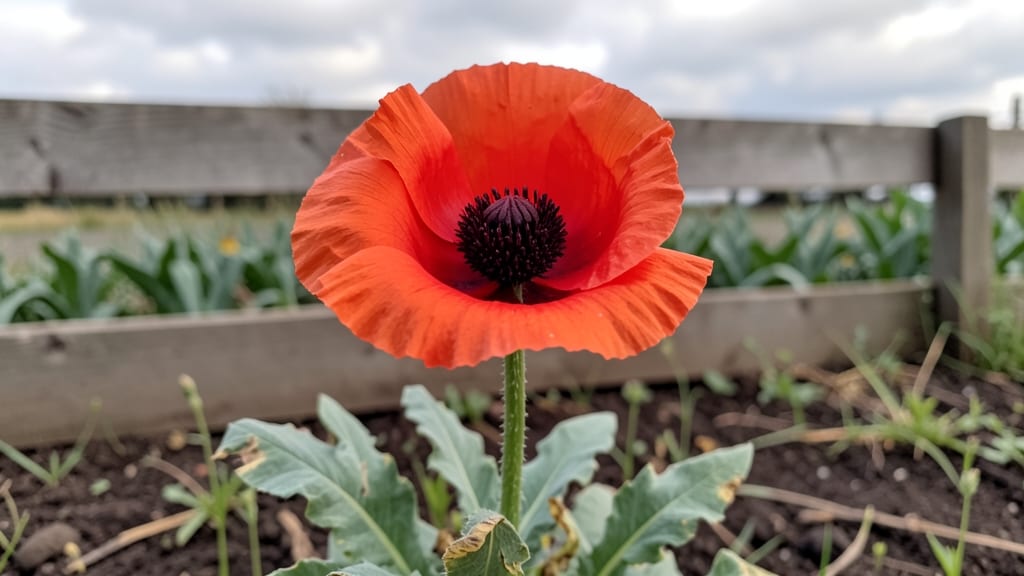
Large poppy flowers bring the kind of bold drama that makes neighbors pause and ask, "What are those?" Their towering stems and papery petals turn ordinary borders into showstopping displays.
I planted mine along a cottage-style path last spring, and the effect was like adding a splash of liquid gold to the garden—everyone commented on how they "popped" against the green backdrop.
The secret to their visual impact lies in spacing and companions. Plant them in clusters of three or five, spaced about 18-24 inches apart, so their 3-5 foot height creates natural groupings.
Pair them with low-growing silver foliage like lamb’s ear or dusty miller to highlight their height, or tuck them behind shorter perennials like delphiniums for layered drama. In mixed beds, they thrive alongside roses or peonies, where their early blooms bridge the gap between spring and summer.
You’ll love how they transform seasonal arrangements—imagine cutting them fresh for summer bouquets or letting them self-seed for next year’s surprise pops of color.
Their 4-6 week bloom window makes them perfect for filling gaps in cottage gardens, while their deep red, black, or creamy white varieties add unexpected contrast to traditional color schemes. The key is letting them grow tall without staking; their natural grace is part of the charm.
For maximum effect, plant them where they’ll get full sun and well-drained soil—they reward patience with 4-6 weeks of effortless beauty. Whether you’re designing a new border or refreshing an old one, these giants deliver drama with almost no fuss. Let’s make your garden the talk of the neighborhood!
📚 In This Guide
- What you need
- Instructions
- Tips and common mistakes
- Wrapping up and next steps
What you need
- ● Poppy Seeds: Choose Papaver somniferum (opium poppy) or Papaver orientale (Oriental poppy) for bold, large blooms. Opt for heirloom or hybrid varieties for maximum drama.
- ● Quantity: 1–2 grams per 100 sq. ft. (or follow seed packet instructions).
- ● Well-Draining Soil: Mix 60% garden soil, 30% coarse sand or perlite, and 10% compost for optimal drainage.
- ● pH Level: Aim for 6.0–7.5 (slightly acidic to neutral).
- ● Sunlight: A full-sun location (6+ hours/day) is a must—poppies thrive in bright, open spaces.
- ● Watering Can or Hose: A gentle spray nozzle helps avoid disturbing seedlings.
- ○ Gloves (Optional): Protect your hands from prickly stems or soil.
- ● Fertilizer: A low-nitrogen, phosphorus-rich fertilizer (e.g., 5-10-10) to encourage blooming. Use sparingly—poppies dislike overfeeding!
- ● Mulch: Straw or pine needles to retain moisture and suppress weeds (keep it 1–2 inches away from stems to prevent rot).
- ● Trellis or Stakes: For tall varieties (like Papaver orientale), add support to prevent flopping in wind.
- ● Seedling Trays: If starting indoors, use biodegradable pots or trays with drainage holes.
- ● Pruning Shears: For deadheading spent blooms and encouraging more flowers.
Instructions for cultivating stunning large poppy flowers
Here’s how to grow poppies that command attention with their towering height and vibrant blooms.
Select the Right Variety and Planting Site
Choose a large poppy variety like California poppy (Eschscholzia californica) or Oriental poppy (Papaver orientale), which can reach 3–5 feet tall with bold, showy flowers. These thrive in full sun—at least 6–8 hours daily—and well-draining soil. Poppies despise soggy roots, so avoid low-lying areas where water pools.
Test your soil’s drainage by digging a 6-inch hole, filling it with water, and timing how long it takes to drain. If it holds water longer than 2 hours, amend with 3–4 inches of coarse sand or perlite mixed into the top 12 inches of soil. Poppies prefer slightly alkaline soil with a pH between 6.5 and 7.5, so adjust with lime if your soil tests acidic.
Prepare the Soil and Plant Seeds Directly
Poppy seeds germinate best in cool weather, so sow them 6–8 weeks before your last frost date in early spring. Scatter seeds ¼ inch deep—they need light to germinate, so don’t bury them too deeply. Space them 12–18 inches apart for full-sized blooms, as they’ll spread as they grow.
Lightly cover the seeds with a thin layer of fine sand or soil, then water gently with a fine mist to avoid displacing them. Keep the soil consistently moist but not soggy until germination, which typically occurs in 10–21 days. Once seedlings emerge, reduce watering slightly—they’re drought-tolerant once established.
Provide Minimal Care for Strong, Healthy Growth
Poppies grow best with minimal interference. Once seedlings reach 2–3 inches tall, thin them to 12–18 inches apart to prevent overcrowding, which weakens stems and reduces flower size. Use sharp scissors to cut unwanted seedlings at the base rather than pulling, which can disturb roots.
Fertilize lightly with a balanced, low-nitrogen fertilizer (like 10-10-10) at half strength when seedlings are 4–6 inches tall. Too much nitrogen encourages leafy growth at the expense of flowers. Water deeply once a week during dry spells, focusing on the base of the plant to avoid wetting foliage, which can lead to fungal issues.
Support Tall Varieties and Encourage Blooming
Taller poppy varieties, like Oriental poppies, may need staking or support to prevent flopping in wind or rain. Install 3–4 foot stakes or a light trellis at planting time, tying stems loosely with soft garden twine as they grow. Avoid tight binding, which can restrict growth.
Deadhead spent blooms promptly to redirect the plant’s energy into producing new flowers. Poppies bloom prolifically for 4–6 weeks, but removing faded flowers extends the season. If you want to collect seeds for next year, leave a few seed heads to mature on the plant.
Overwinter and Plan for Next Season
Most poppies are annuals, so they’ll die back after flowering. However, California poppies are perennials and may self-seed prolifically, returning year after year. In fall, cut back dead foliage to 2–3 inches above the ground to tidy the garden and reduce disease risk.
Mark your planting spots for next year, as poppy seeds can remain viable in the soil for years. If you want to refresh the area, rotate crops or add 2–3 inches of compost to replenish nutrients before replanting.
Tips & tricks for cultivating dramatic large poppy flowers
These insider strategies will help you cultivate poppies that rival professional garden displays, with towering stems and vibrant blooms that command attention.
Variety Selection Matters: While both California and Oriental poppies produce stunning results, Oriental poppies (Papaver orientale) are particularly dramatic with their large, cup-shaped blooms that can reach up to 6 inches across. For maximum height, choose named varieties like 'Black Cow' or 'Moonlight'—these specifically bred cultivars often exceed the standard 3-5 foot range mentioned in the instructions, sometimes reaching 5-6 feet when given ideal conditions. The trade-off is their biennial nature, but the visual impact is worth it for garden focal points.
Soil Preparation Secret: The 2-hour drainage test in Step 1 is critical, but I've found adding a 3-inch layer of coarse horticultural sand to the entire planting area—not just the hole—creates a more consistent growing environment. This prevents uneven drainage that might occur in pockets of heavier soil. For alkaline soil adjustment, use pelletized lime rather than powder—it dissolves more evenly and won't create pH hotspots that could stress your poppies.
Germination Timing Strategy: The 6-8 week window before last frost is ideal, but I've had success pushing this to 4-6 weeks in regions with mild winters. Poppy seeds germinate best at soil temperatures between 60-65°F, so if your spring is particularly cold, consider using a seedling heat mat for the first 10-14 days. This can shave valuable weeks off your growing season for those dramatic first blooms.
Support System Upgrade: While 3-4 foot stakes work well, I recommend installing a lightweight bamboo stake system for Oriental poppies. The natural flexibility of bamboo allows the stems to sway slightly in wind without breaking, while providing more support than rigid metal stakes. Install these at planting time—poppies resent having stakes added later—and tie with soft twine every 12-18 inches up the stem as they grow. This creates a more natural look while preventing the dramatic flopping that often ruins the visual impact of these towering varieties.
Pro Tips for Large Poppy Flower
- These insider strategies will help you cultivate poppies that rival professional garden displays, with towering stems and vibrant blooms that command attention.
- The trade-off is their biennial nature, but the visual impact is worth it for garden focal points.
- This prevents uneven drainage that might occur in pockets of heavier soil.
Frequently asked questions
Got questions about growing or styling large poppy flowers?
Here are answers to the most common ones—from planting to troubleshooting—so you can enjoy their bold beauty with confidence!
When is the best time to plant large poppy flowers?
Large poppies thrive when planted in early spring or late summer (after the last frost). They prefer cooler soil, so avoid planting in hot summer months. If starting from seeds, sow them directly in the garden—they dislike transplanting!
How often should I water large poppy flowers?
Poppies are drought-tolerant once established, but water them moderately (about 1 inch per week) during dry spells. Overwatering can cause rot, so let the soil dry out between waterings. Mulch lightly to retain moisture without smothering the plants.
Why aren’t my poppy flowers opening?
Poppies may stay closed due to heat stress, lack of sunlight, or overcrowding. Ensure they get full sun (6+ hours daily) and thin seedlings to 12–18 inches apart. If blooms open at night, they’re likely nocturnal—a natural quirk of some varieties!
Can I cut large poppy flowers for arrangements?
Yes! Cut stems early in the morning for the longest vase life. Remove lower leaves to reduce bacteria in water. Poppies last 3–5 days in arrangements—pair them with sturdy stems like snapdragons or eucalyptus for drama. Pro tip: Add a drop of bleach to the water to keep blooms fresh!
What are some alternatives to large poppies for bold garden color?
If poppies don’t thrive in your climate, try these showstoppers:
- Delphiniums: Tall, spiky blooms in blues/purples.
- Larkspur: Delicate but dramatic, with similar height.
- Hollyhocks: Rustic charm with vertical height.
- Sunflowers: Easy-care giants for instant impact.
Wrapping up and next steps
Large poppy flowers bring unmatched drama and natural beauty to any garden, whether you're a seasoned gardener or just starting out. Their striking height, vibrant colors, and effortless charm make them a must-have for adding boldness and elegance to your outdoor space. 🌸
Now that you’re armed with the right materials, tips, and answers to your questions, it’s time to roll up your sleeves and plant! Start small—try a single cluster in a sunny spot—and watch your garden transform. Happy gardening!
💡 Next step: Mark your calendar for the best planting season in your region and take those seeds or seedlings home today!