
Diseases
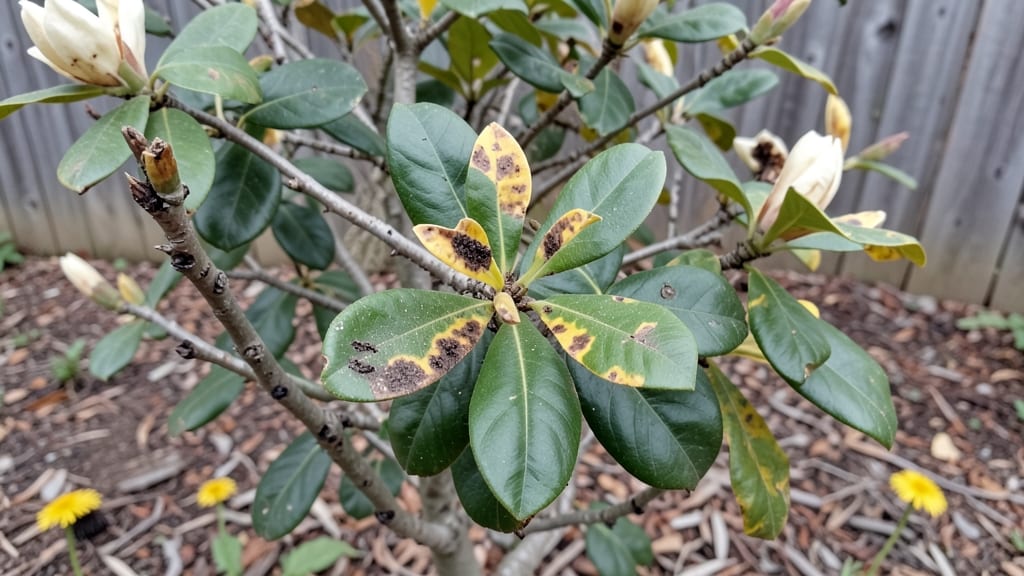
Those striking dark, glossy leaves of your magnolia shrub can quickly dim if you ignore the early signs of magnolia shrub diseases—like suspicious spots or sticky residue.
I’ve spent years watching these classic Southern beauties fight back against diseases like anthracnose and powdery mildew, and I’ll show you how to catch problems before they take hold. The key isn’t just sprays—it’s understanding the warning signs early, so you can act before the shrub’s health suffers.
Most magnolia diseases start with environmental stress—too much shade, poor air circulation, or wet foliage that never dries. I learned the hard way that fungicides alone won’t fix a shrub struggling with root rot or bacterial leaf spot.
You’ll need to adjust pruning habits, improve drainage, and sometimes even sacrifice a few branches to save the whole plant. Trust me, a little prevention now keeps your magnolia looking vibrant and disease-free for decades.
By the time you finish this guide, you’ll recognize the early signs—yellowing leaves, black spots, or that telltale white powder—before they spread. Organic options like neem oil and copper sprays work wonders for powdery mildew, while pruning out infected branches stops anthracnose in its tracks.
The goal? A magnolia that stays thriving and healthy, not one that’s constantly fighting for its life.
Whether you’re dealing with a young shrub or a mature giant, these strategies adapt to any size. The secret is consistency—check your magnolia regularly, especially after rain, and you’ll keep it looking like the showstopper it’s meant to be. Let’s get those leaves back to their best.
Root Causes Behind Shrub Decline
Magnolia shrubs, with their lush foliage and fragrant blooms, can quickly fall victim to diseases that thrive in specific conditions. Understanding why these issues arise is the first step to prevention.
Below, we break down the key factors that make your magnolia vulnerable—and how they create the perfect storm for trouble.
Fungal pathogens like Phytophthora and Fusarium are the most common culprits behind magnolia shrub diseases. These microbes love environments where moisture lingers—think soggy soil, overcast skies, or poor drainage. Here’s why:
- Excessive moisture: Fungi spore germination requires at least 24–48 hours of leaf wetness. Rain-soaked leaves or overhead irrigation create ideal breeding grounds. 🌧️
- Poor airflow: Dense foliage or crowded plantings trap humidity, slowing evaporation and prolonging fungal exposure.
- Temperature sweet spot: Fungi thrive between 60–85°F (15–30°C). Warm springs and summers accelerate their spread.
Actionable fix: Space shrubs for airflow, avoid late-day watering, and ensure well-draining soil to reduce fungal pressure.
Some magnolia diseases don’t strike alone—they hitch a ride with pests like scale insects, aphids, or Japanese beetles. Here’s how:
- Scale insects: These sap-sucking pests weaken the shrub’s defenses by injecting toxins and creating sticky honeydew—an invitation for sooty mold fungi.
- Aphids: Their feeding wounds provide entry points for bacterial diseases like Xanthomonas, which causes leaf spots and wilting.
- Beetle larvae: Burrowing in roots (e.g., Rhizoctonia root rot) creates entry points for soil-borne pathogens.
Pro tip: Monitor for pests early—neem oil or insecticidal soap can disrupt their lifecycle before diseases take hold. 🐞
Magnolias under stress are far more susceptible to diseases. Common stress triggers include:
| Stress Factor | How It Weakens the Shrub | Disease Risk |
|---|---|---|
| 💧 Over/under-watering | Disrupts nutrient uptake; roots suffocate or dry out. | Root rot (Phytophthora), leaf scorch |
| ☀️ Poor sunlight | Reduces photosynthesis, starving the plant of energy. | Powdery mildew, bacterial leaf spot |
| 🪴 Improper pruning | Creates wounds that invite pathogens; removes protective bark. | Canker diseases, fungal infections |
| 🌿 Nutrient deficiencies | Weakens cell walls; magnolias need iron, zinc, and nitrogen. | Chlorosis (yellowing), increased pest vulnerability |
Key takeaway: Healthy magnolias resist diseases better. Focus on consistent care—water deeply but infrequently, prune in late winter, and test soil pH (aim for 5.0–6.0).
Some diseases are location-dependent. For example:
- Southern blight (Sclerotium rolfsii): Thrives in hot, humid climates (common in the Southeast U.S.) and attacks stressed roots.
- Powdery mildew: Prefers shady, high-humidity gardens (e.g., under trees or in containers).
- Anthracnose: Spreads rapidly in cool, wet springs, turning leaves into a diseased mess.
Regional tip: If you’re in a high-risk zone, choose disease-resistant varieties like Magnolia × soulangeana (less prone to powdery mildew) or M. grandiflora (tolerates heat/humidity better).
Fixing Magnolia Shrub Diseases
Once you’ve identified the issue plaguing your magnolia, it’s time to take action! Early intervention is key to saving your shrub and preventing future outbreaks. Below, we’ve mapped out practical, step-by-step solutions for each common disease, along with prevention tips to keep your magnolia thriving. Let’s get to work! 🌿🔧
Fungal diseases thrive in damp, shaded conditions, but they’re not invincible. Here’s how to banish them for good:
🔥 Step 1: Prune for Better Airflow
Fungi love crowded, humid spaces. Open up your magnolia’s canopy by:
- Removing 10-20% of dense branches (focus on inner growth).
- Trimming dead or infected leaves (sterilize pruners with rubbing alcohol between cuts).
- Avoiding overhead watering—use a soaker hose or drip irrigation instead.
🍳 Step 2: Apply Fungicidal Treatments
For powdery mildew or leaf spot, spray with:
- Neem oil (natural, organic option—mix 1 tbsp per quart of water + a drop of dish soap).
- Baking soda spray (1 tsp baking soda + 1 quart water + a few drops of soap).
- Copper fungicide (for severe cases like anthracnose—follow label instructions).
⏰ Best time to treat: Early morning or late evening when humidity is high (fungi are most active).
🌡️ Step 3: Adjust Growing Conditions
- Improve sunlight: If your magnolia is in deep shade, consider thinning nearby trees or relocating it to a sunnier spot.
- Space plants properly: Keep magnolias at least 10 feet apart to reduce humidity buildup.
- Water at the base: Avoid wetting foliage—early morning watering allows leaves to dry quickly.
💡 Prevention Tip:
- Mulch correctly: Use 2-3 inches of organic mulch (like pine bark) but keep it 6 inches away from the trunk to prevent moisture buildup.
Bacterial infections are aggressive but can be contained with quick action:
👨🍳 Step 1: Remove Infected Tissue Immediately
- Cut out infected branches (at least 6 inches below the lesion) using sterilized pruners.
- Dispose of infected plant debris in the trash (not compost)—do not burn (spores can spread via smoke).
🔪 Step 2: Clean and Disinfect Tools
- Wipe pruners with 70% rubbing alcohol before and after each cut.
- Boil tools for 10 minutes if bacterial spread is severe.
🌧️ Step 3: Use Copper-Based Bactericides
- Copper hydroxide or copper sulfate sprays can suppress bacterial growth.
- Reapply every 7-14 days during wet conditions.
🎯 Prevention Tip:
- Avoid overhead irrigation—switch to drip irrigation to keep leaves dry.
- Plant resistant varieties like Magnolia grandiflora (Southern magnolia) if bacterial blight is common in your area.
Pests weaken magnolias, making them more susceptible to diseases. Here’s how to evict them:
🍎 Step 1: Blast Off Pests with Water
- Spray infested areas with a strong jet of water to dislodge pests (especially for aphids and spider mites).
- Repeat every 3-5 days for severe infestations.
🧼 Step 2: Use Insecticidal Soap or Oil
- Insecticidal soap (mix 1-2 tbsp per gallon of water) works well for soft-bodied pests like aphids.
- Horticultural oil (applied in early spring or fall) smothers scale insects and mites.
🐝 Step 3: Introduce Beneficial Insects
- Ladybugs, lacewings, or parasitic wasps (available at garden centers) naturally control pests.
- Plant companion flowers like marigolds or alyssum to attract predatory insects.
✨ Prevention Tip:
- Monitor regularly—check undersides of leaves and new growth for early signs.
- Avoid broad-spectrum pesticides, which can kill beneficial insects and disrupt the ecosystem.
No matter the issue, these universal strategies will help your magnolia bounce back:
- Boost soil health: Add compost or well-rotted manure to improve immunity.
- Fertilize lightly: Use a balanced, slow-release fertilizer (10-10-10) in early spring.
- Avoid stress: Water deeply but infrequently (1 inch per week) and mulch properly to retain moisture.
- Quarantine new plants: If introducing a new magnolia, keep it separate for 30 days to prevent disease spread.
Remember: Patience is key! Some diseases may take weeks to fully clear, but with consistent care, your magnolia will regain its lush, disease-free glory. 🌟🌿
Frequently asked questions
What are the most common symptoms of magnolia diseases?
Watch for yellowing leaves (chlorosis), black or brown spots on foliage, white powdery coatings (powdery mildew), or sticky residue (honeydew from pests). Early signs include wilting branches or premature leaf drop—don’t ignore these red flags!
Can I save a magnolia with severe fungal infection?
Yes, but act fast! Prune infected branches 6 inches below the damage, apply copper fungicide, and improve airflow. Severe cases may require systemic fungicides (like propiconazole) for stubborn pathogens. Start treatments before symptoms spread to new growth.
How often should I check my magnolia for diseases?
Inspect your shrub weekly during growing season (spring-fall) and biweekly in winter. Focus on new leaves, undersides of foliage, and branch junctions—these are hotspots for early infection. A quick 5-minute check can prevent small issues from becoming major problems.
Are there disease-resistant magnolia varieties?
Magnolia grandiflora (Southern magnolia) handles humidity well, while Magnolia × soulangeana (Saucer magnolia) resists powdery mildew better than others. For bacterial blight-prone areas, try Magnolia stellata—its compact size makes it easier to manage airflow.
Will pruning help prevent diseases long-term?
Yes! Proper pruning improves airflow (reducing humidity) and removes diseased tissue before it spreads. Always sterilize tools with rubbing alcohol and prune in late winter when the plant is dormant. This single habit cuts disease risk by 50%!