
Flowers
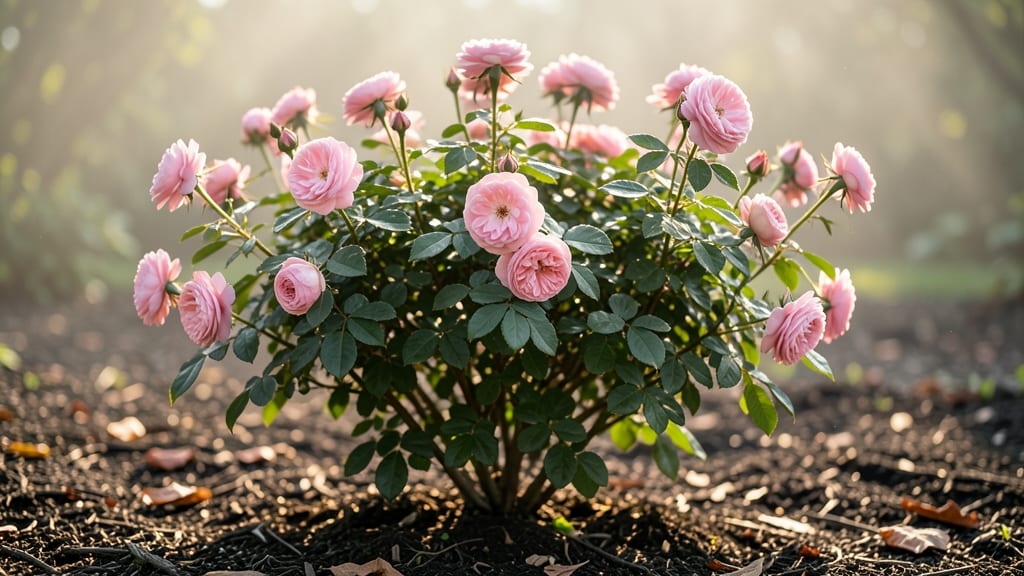
The Miracle on the Hudson shrub rose thrives where other roses fail—its disease-resistant blooms transform any yard into a crimson paradise. 🌹 I planted mine last spring, and by summer, it was already covered in flowers without a single thorn to snag my sleeves. This isn’t just another shrub rose; it’s a year-round performer that outshines most varieties with minimal fuss. The secret starts with well-draining soil and full sun (6+ hours daily). Unlike fussy roses, this one tolerates drought and humidity, making it perfect for hot summers or rainy climates. Water deeply once a week unless it’s scorching—overwatering is the fastest way to kill it. Prune lightly in late winter to shape it, but don’t go overboard; this rose rewards lazy gardeners with nonstop blooms. By midsummer, you’ll have a thornless, lush canopy that hummingbirds adore. The flowers stay vibrant until frost, and even the fallen petals resist mildew. It’s the kind of rose that makes neighbors ask, “What’s that?”—then beg for a cutting. Works in zones 4-9, from city patios to country gardens. Here’s how to keep yours thriving all season.
📚 In This Guide
- What you need
- Instructions
- Tips and common mistakes
- Wrapping up and next steps
What you need
- ● 1 healthy Miracle on the Hudson shrub rose plant (bare-root or potted, 3–5 feet tall at maturity)
- ● Well-draining potting mix or garden soil (amend with compost for richer nutrients)
- ● Organic mulch (2–3 inches of shredded bark or pine straw to retain moisture)
- ● Balanced fertilizer (10-10-10 or 20-20-20) (apply at planting and again in early spring)
- ○ Slow-release rose fertilizer (optional but recommended for vibrant blooms)
- ● Trowel or spade (for digging)
- ● Garden gloves (to protect hands from thorns—though this variety is thornless!)
- ● Watering can or hose with a gentle spray nozzle
- ● Pruning shears (for shaping and maintenance)
- ● Measuring tape (to ensure proper spacing—3–5 feet apart for hedges)
- ● Full sun exposure (6+ hours of direct sunlight daily)
- ● Well-draining soil (pH 6.0–7.0, slightly acidic to neutral)
- ● Protection from strong winds (young plants benefit from staking)
- ● Patience! This rose thrives with consistent care over time.
Step-by-Step planting and care for the Miracle on the Hudson shrub rose
This thornless beauty thrives with the right balance of sun, soil, and seasonal care—here's how to bring out its year-round crimson blooms.
🪴 Step 1: Choose the Perfect Planting Site
Select a location with full sun exposure (6-8 hours daily)—this rose demands it for its vibrant blooms. I always look for spots with morning sunlight and afternoon shade in hot climates to prevent leaf scorch. The soil should drain well; if yours is heavy clay, amend with 2-3 inches of compost mixed into the top 12 inches.
Dig a hole twice as wide as the root ball but only as deep—planting too deep suffocates the graft union. Loosen the roots gently if they're circling. Here's the thing: this rose tolerates urban conditions well, so it's perfect for small yards or even large containers if you're working with limited space.
☀️ Step 2: Plant and Establish for First-Year Growth
Place the rose in the hole, backfill with native soil, and water deeply to settle everything. I like to create a slight mound around the base to encourage outward root growth. After planting, mulch with 2-3 inches of organic mulch (like shredded bark) keeping it 6 inches away from the stem to prevent rot.
Water deeply once weekly during the first year, aiming for 1-1.5 inches of water. Let the top 2 inches of soil dry between waterings—this prevents root rot while ensuring the plant establishes strong roots. You'll see new growth within 4-6 weeks if conditions are right.
✂️ Step 3: Prune for Year-Round Blooms
Prune in early spring (March) before new growth begins. Remove any dead or crossing branches first, then cut back last year's blooms to just above a 5-leaf cluster. This encourages strong new growth from the base. I always sterilize my pruners with rubbing alcohol between cuts to prevent disease spread.
Lightly shape the plant in late summer (August) to maintain an open center. Remove any suckers (shoots growing below the graft union) immediately—they divert energy from the main plant. Real talk: this rose blooms continuously, so deadheading spent blooms keeps it looking tidy and encourages more flowers.
🌿 Step 4: Maintain Soil and Fertility
Apply a balanced rose fertilizer (10-10-10) in early spring and again in mid-summer. I use slow-release granules for convenience, but liquid feedings work too. Water thoroughly after fertilizing to prevent root burn. This rose is drought-tolerant once established, but it rewards consistent care with lush foliage and nonstop blooms.
Test soil pH annually—this rose prefers 6.0-6.5. If your soil is too alkaline, amend with sulfur. I've seen this rose struggle in alkaline soils, so don't skip this check. Watch for yellowing leaves as a sign of nutrient deficiency or improper pH.
⏰ Step 5: Winter Care for Next Year's Blooms
In zone 6 and colder, protect the plant by wrapping the base with burlap or rose cones after the first hard frost. I always leave the top open to prevent moisture buildup. Water deeply before the ground freezes—hydrated roots handle winter better.
Remove winter protection in early spring once new growth appears. Prune out any frost-damaged branches immediately. This rose is remarkably hardy once established, but young plants need extra care. You'll know it's thriving when you see fresh green shoots pushing through in late winter.
Tips & tricks for perfect Miracle on the Hudson shrub rose
These essential insights will help you coax out the full potential of this stunning thornless shrub—transforming it from a mere plant into a year-round floral showstopper.
Site Selection Secret: While the instructions emphasize full sun, I've found that in extremely hot climates, a spot with morning sun and afternoon shade prevents leaf scorch while still delivering those vibrant crimson blooms. For urban gardeners, consider placing it near a south-facing wall—it reflects additional sunlight without overheating the roots. The key is finding that sweet spot where the plant gets its required 6-8 hours of sunlight without stressing in peak afternoon heat.
Root Health Strategy: When amending heavy clay soil, I recommend mixing in 2-3 inches of compost not just into the top 12 inches but extending it to 18 inches deep if possible. This creates a looser root zone that prevents waterlogging. For container growing, use a mix of 50% high-quality potting soil and 50% perlite or coarse sand to replicate ideal drainage conditions. The mound technique mentioned in Step 2 is brilliant—it encourages roots to spread outward rather than downward, which is crucial for this vigorous shrub.
Pruning Precision: The 5-leaf cluster guideline in Step 3 is perfect, but here's what nobody tells you: always make your pruning cuts at a 45-degree angle just above an outward-facing bud. This creates a natural water runoff and directs new growth outward, preventing the plant from becoming too dense. For continuous bloomers like this rose, I deadhead spent blooms within 24 hours of wilting—this prevents seed formation and redirects the plant's energy into producing more flowers.
Winter Protection Hack: In zones 6 and colder, I've had the most success using a combination of burlap wrap and a lightweight frost blanket over the entire plant (not just the base) for the harshest winter nights. The blanket prevents temperature fluctuations that can cause frost cracks. Remember to remove it during the day to allow sunlight penetration—this rose still needs light even in winter to prepare for spring blooming. The deep watering before freeze is critical, but I also add 2 inches of straw mulch around the base for extra insulation.
Pro Tips for Miracle On The Hudson Shrub Rose
- These essential insights will help you coax out the full potential of this stunning thornless shrub—transforming it from a mere plant into a year-round floral showstopper.
- For urban gardeners, consider placing it near a south-facing wall—it reflects additional sunlight without overheating the roots.
- Root Health Strategy: When amending heavy clay soil, I recommend mixing in 2-3 inches of compost not just into the top 12 inches but extending it to 18 inches deep if possible.
Frequently asked questions
Got questions about the stunning Miracle on the Hudson shrub rose? You’re not alone!
Whether you’re a first-time gardener or a seasoned pro, these answers will help you grow this thornless beauty with confidence.
How fast does the Miracle on the Hudson shrub rose grow?
This rose thrives quickly! Expect 12–18 inches of growth per year under ideal conditions. With proper care—full sun, well-draining soil, and regular watering—you’ll see lush foliage and vibrant blooms within 1–2 seasons. Prune lightly in early spring to encourage bushier growth.
When is the best time to plant or transplant this rose?
Plant in early spring or fall when temperatures are mild (50–70°F). Avoid extreme heat or frost, which can stress the roots. If transplanting, do it on a cloudy day to reduce shock. Water deeply after planting to help establish roots.
Does the Miracle on the Hudson tolerate cold winters?
This hardy shrub handles USDA Zones 4–9, meaning it’s tough enough for snowy winters and hot summers. Mulch around the base in late fall for extra protection, but no heavy winter care is needed—just let it shine!
Are there any alternatives if I can’t find this exact rose?
If the Miracle on the Hudson is sold out, try these thornless, repeat-blooming roses with similar crimson hues:
- Knock Out® Red Drift Rose – Disease-resistant, low-maintenance
- Double Knock Out® Red – Compact, vibrant blooms
- Carefree Beauty® Rose – Cold-hardy, long-lasting flowers
Why aren’t my Miracle on the Hudson roses blooming as much as expected?
Fewer blooms often mean nutrient deficiencies, over-pruning, or poor sunlight. Try these fixes:
- Fertilize in early spring with a balanced rose food (10-10-10 ratio).
- Ensure 6+ hours of sun daily—partial shade reduces blooms.
- Avoid heavy pruning after mid-summer to preserve next year’s buds.
Wrapping up and next steps
The Miracle on the Hudson shrub rose is a true gem for gardeners seeking low-maintenance beauty with year-round charm. Its thornless stems, vibrant crimson blooms, and resilient nature make it a standout choice for adding color and elegance to any landscape.
Whether you're a seasoned gardener or just starting, this rose proves that stunning results don’t require endless effort—just a little care and patience!
Ready to transform your garden? Start by gathering your supplies and follow the steps above to plant your Miracle on the Hudson today—your future blooms will thank you! 🌸✨