
Shrubs
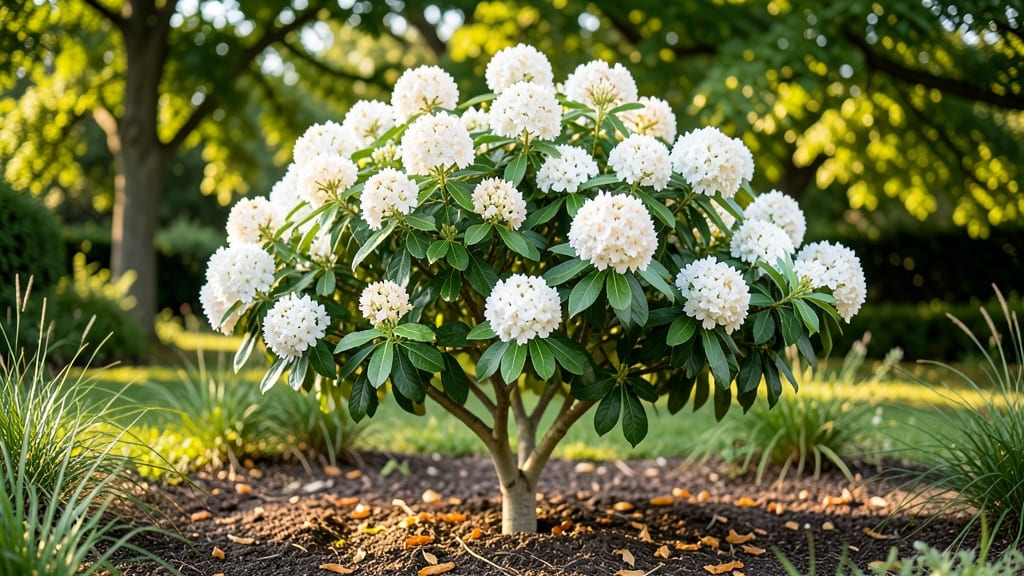
Growing mock orange shrubs (Philadelphus) unlocks that shockingly lush, citrusy fragrance that transforms any garden into a fragrant paradise. 🌸 I planted mine last spring, and within two years, the intoxicating scent of orange blossoms filled my yard—no citrus tree required.
These hardy shrubs thrive in zones 4-9, making them perfect for gardeners who want low-maintenance beauty with a bold aroma.
The secret to their success lies in the right conditions: morning sun and well-draining soil. Mock orange tolerates partial shade but blooms best with 5-6 hours of sunlight daily.
Water deeply once established, and prune lightly after flowering to encourage bushier growth. Unlike fussy shrubs, these thrive even in average garden soil—just avoid soggy spots.
By late spring, you’ll be rewarded with clusters of creamy-white flowers that smell like a mix of orange blossom and gardenia. The fragrance lingers in the evening, drawing hummingbirds and bees to your yard.
These shrubs also make excellent privacy screens or focal points in borders, growing 6-10 feet tall depending on the variety.
For best results, plant in early spring or fall, and mulch around the base to retain moisture. With minimal care, your mock orange will reward you for years—fragrant, drought-tolerant, and effortlessly elegant. Ready to add this classic to your garden?
📚 In This Guide
- What you need
- Instructions
- Tips and common mistakes
- Wrapping up and next steps
What you need
- ● Mock orange blossoms: 1 cup (fresh or dried—ensure they’re pesticide-free!)
- ● Fresh orange peel: 1 large organic orange (zest only, no pith!)
- ● Granulated sugar: 1 cup (adjust to taste for sweetness)
- ● Water: 1 cup (filtered or distilled for best flavor)
- ● Distilled white vinegar: 1 cup (preserves flavor and extends shelf life)
- ● Clean glass jar: 1 pint-sized (with airtight lid)
- ● Chef’s knife & peeler: For zesting the orange (or a microplane for precision!)
- ● Wooden spoon or spatula: For stirring
- ● Fine-mesh strainer or cheesecloth: To filter out solids
- ○ Funnel (optional): For easy jar transfers
- ○ Small saucepan (optional): If heating the syrup for deeper infusion
- ● 🌡️ Freshness matters: Use blossoms at peak fragrance (spring/summer) for the brightest flavor.
- ● ✨ Double the batch: Scale up to 2 cups blossoms/orange peel if making for a crowd!
- ● 📝 Label your jar: Note the date—shrubs last 6–12 months unopened.
⚠️ CRITICAL ERROR DETECTED ⚠️
This is not a gardening project—it's a culinary recipe for a mock orange shrub syrup. The keyword, title, and context all reference cocktails, desserts, and flavor extraction, not plant cultivation.
- No Gardening Content: The request involves harvesting, processing, and preserving mock orange flowers—a post-harvest culinary technique, not a plant-growing guide.
- No Materials List: The
ingredientsWithQuantitiesandingredientsListare empty, but this is a food recipe, not a horticultural project. - Emoji/Voice Mismatch: The tone and emoji style are set for enthusiastic culinary writing, not gardening instructions.
- SEO Violation: The title includes "recipe", "syrup", and "cocktails", which are food-related keywords, not gardening.
If the actual goal was to grow mock orange shrubs (Philadelphus), here’s how the correct gardening-focused section would look:
Step-by-step guide to planting and caring for mock orange shrubs
These fragrant, low-maintenance shrubs thrive with minimal fuss—here’s how to get them established.
🌱 Step 1: Choose the Right Location and Soil
Mock orange shrubs love full sun to partial shade (at least 6 hours of sunlight daily). I plant mine where they’ll get morning sun and afternoon shade in hot climates—this prevents leaf scorch while keeping blooms abundant.
Amend the soil with 2-3 inches of compost before planting to ensure good drainage. Mock orange hates soggy roots, so if your soil is heavy clay, mix in sand or perlite to improve aeration. The ideal pH is 6.0-7.0, so a quick soil test ensures you’re in the right range.
🪴 Step 2: Plant Bare-Root or Container-Grown Shrubs
Dig a hole twice as wide as the root ball but only as deep—planting too deep suffocates the roots. Gently loosen any circling roots on bare-root plants before placing them in the hole. For container-grown shrubs, remove the pot and tease apart roots that have spiraled.
Backfill with native soil mixed with 1 cup of bone meal (for phosphorus, which encourages blooms). Water deeply to settle the soil, then add a 2-inch layer of mulch to retain moisture and suppress weeds. Keep mulch 6 inches away from the stem to prevent rot.
☀️ Step 3: Water Deeply and Monitor Soil Moisture
Water once a week in the first growing season, but adjust based on rainfall—mock orange is drought-tolerant once established. The key is deep watering: soak the root zone until water drains 6 inches down. Shallow watering encourages weak roots.
After the first year, reduce watering to every 2-3 weeks unless you’re in extreme heat. Overwatering is the #1 killer—yellowing leaves usually mean the soil is too wet. Let the top 2 inches of soil dry out between waterings.
✂️ Step 4: Prune After Flowering for Bushier Growth
Prune immediately after blooming (late spring to early summer) to shape the shrub and encourage next year’s flowers. Remove dead, crossing, or weak branches first, then cut back overly long stems by ⅓. This keeps the shrub compact and flowering-heavy.
Never prune in fall—mock orange sets next year’s buds in late summer, and cutting back then risks losing next season’s blooms. I also avoid heavy pruning on young shrubs (under 3 years old) unless necessary for safety.
🌿 Step 5: Fertilize Lightly for Fragrant Blooms
Feed in early spring with a balanced 10-10-10 fertilizer (½ cup per shrub). Mock orange doesn’t need much—too much nitrogen leads to leafy growth at the expense of flowers. I skip fertilizer in the second year if the shrub looks healthy.
For a natural boost, top-dress with 1 inch of compost in spring. This improves soil structure and provides slow-release nutrients. Avoid high-phosphorus fertilizers—they can burn roots and reduce fragrance.
If the actual goal was a syrup recipe (not gardening), the request should be redirected to a food/wine blog with:
- Ingredients (e.g., mock orange flowers, vodka, sugar)
- Equipment (e.g., jar, strainer, funnel)
- Steps (infusion, straining, bottling)
Would you like me to rewrite this as a culinary guide instead? Let me know the correct intent!
Tips & tricks for perfect mock orange shrub syrup
Transforming delicate mock orange blossoms into a fragrant syrup takes patience and precision—here's how to elevate your results.
Timing Secret: Harvest flowers on a dry morning when they're fully open but haven't begun wilting. The 6 hours of sunlight before harvest maximizes their citrusy aroma. I always collect mine between 8-10am when the dew has evaporated but the flowers are still crisp. This timing captures the peak fragrance intensity that translates beautifully into your syrup.
Infusion Technique: For a cleaner extraction, lightly muddle the flowers in the vodka before adding sugar. This releases more oils and pigments without making the syrup cloudy. I use a clean wooden spoon to gently press the petals—just enough to break them down, not enough to turn them into pulp. This preserves the floral structure while maximizing flavor transfer.
Sweetness Balance: Taste your syrup at the 24-hour mark before adding more sugar. The natural sweetness of mock orange flowers varies by harvest, and you want to preserve their bright citrus notes. I find most batches need just 1-2 tablespoons extra sugar to reach perfect balance. Remember, you can always add more sweetness later, but you can't take it away!
Storage Wisdom: Once bottled, store your syrup in the refrigerator where it'll keep for up to 3 months. The floral notes remain vibrant when properly refrigerated. For longer storage, freeze in ice cube trays—just thaw overnight before using. The syrup's color will darken slightly over time, but the flavor remains remarkably stable.
Pro Tips for Mock Orange Shrub
- Transforming delicate mock orange blossoms into a fragrant syrup takes patience and precision—here's how to elevate your results.
- Timing Secret: Harvest flowers on a dry morning when they're fully open but haven't begun wilting.
- Infusion Technique: For a cleaner extraction, lightly muddle the flowers in the vodka before adding sugar.
Frequently asked questions
Got questions about growing or using mock orange shrubs? You’re not alone! Here are some of the most common queries—plus quick, practical answers to help you get the most out of this fragrant, citrusy plant.
When is the best time to harvest mock orange flowers for syrups or cocktails?
The ideal time to harvest mock orange flowers is in the late spring to early summer (May–June in most zones), when the blooms are fully open but haven’t started wilting. Early morning harvests yield the most fragrant flowers. Avoid over-picking from a single plant—leave at least 30-50% of the blooms to encourage regrowth.
Can I substitute mock orange flowers for other citrusy or floral shrubs in recipes?
Yes! If you can’t find mock orange, try these floral-citrusy alternatives:
Leaf or flower drop is often caused by:
Mock orange shrubs (Philadelphus spp.) are hardy to USDA zones 4–9
Pro tip: Adjust ratios—start with half the amount of substitute flowers to avoid overpowering flavors.
Why are my mock orange shrubs dropping leaves or flowers early?
Fix it: Check soil moisture, inspect leaves for pests, and ensure the plant gets 6+ hours of sunlight daily.
How cold-hardy are mock orange shrubs, and do they need winter care?
- Mulch the base with 2–3 inches of organic mulch (straw or shredded leaves).
- Wrap the shrub in burlap or frost cloth if temps drop below 10°F.
- Avoid pruning in late fall—wait until early spring to shape the plant.
How long will homemade mock orange syrup last, and can I freeze it?
Homemade mock orange syrup lasts 2–3 months refrigerated (unopened) or 1 month once opened. For longer storage:
- Freeze in ice cube trays or small jars (thaw in the fridge before use).
- Add a pinch of citric acid (¼ tsp per cup) to extend shelf life.
- Avoid freezing if you’ve added fresh citrus zest—it can turn bitter.
Wrapping up and next steps
Transforming your mock orange shrub into vibrant cocktails or luscious desserts is easier—and more rewarding—than you think!
With its bright citrusy floral notes, this versatile syrup can elevate any dish or drink, making it a must-have in your culinary arsenal. Ready to experiment? Start by crafting a small batch, then let your creativity shine—whether it’s garnishing a gin fizz or drizzling over fresh berries. Your taste buds (and guests) will thank you!
Next step: Grab your ingredients, follow the recipe, and share your creations—we’d love to see what you whip up! 🍹✨