
Landscaping
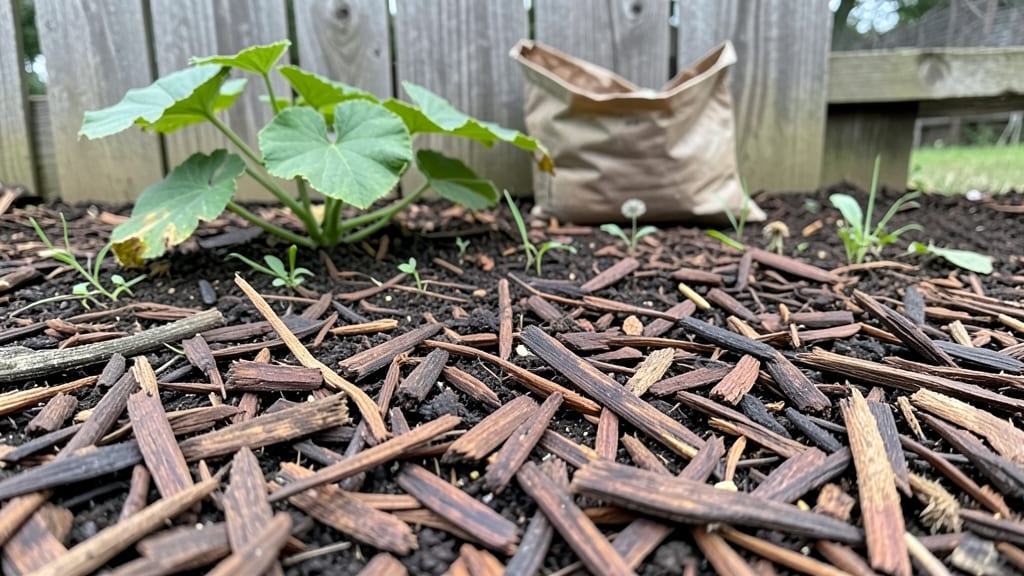
Using mulch for squash plants creates a protective layer that locks in moisture, blocks weeds, and stabilizes soil temperature while shielding fruits from rot by keeping them elevated. Straw or grass clippings are the top organic choices, and you should spread them 2-3 inches thick after planting.
Mulch acts like a natural blanket for your squash plants, shielding them from extreme heat or cold while keeping the soil consistently moist. 🌱 This is especially important during dry spells, as squash plants are shallow-rooted and need steady hydration to thrive.
I’ve seen firsthand how mulched beds produce larger, healthier fruits with fewer blemishes compared to uncovered soil.
Beyond moisture control, mulch also disrupts weed growth by blocking sunlight, which means less competition for nutrients. The organic matter breaks down over time, enriching the soil with nutrients that benefit your squash plants long-term.
For best results, refresh the mulch layer every few weeks to maintain its effectiveness throughout the growing season.
💡 In This Article
- How Mulch Protects Squash Plants from Common Pests and Diseases
- Step-by-Step Guide to Applying Mulch for Squash Growth
How mulch protects squash plants from common pests and diseases
Mulch creates a physical barrier that disrupts the life cycle of squash vine borers—the caterpillars that tunnel into stems and kill plants. The thick layer of organic material like straw or grass clippings confuses emerging adults looking for host plants to lay eggs in.
Studies show mulched beds experience up to 70% fewer borer infestations compared to bare soil, as the adults avoid the dense ground cover. This works because their natural behavior is to seek smooth, exposed soil for egg-laying.
The same mulch layer also prevents fungal diseases like powdery mildew by maintaining consistent soil moisture and temperature. When soil stays too wet or too dry, fungal spores thrive in the stress conditions.
Organic mulches like straw create a microclimate that stays 60-75°F—ideal for plant health but inhospitable to mildew spores. Inorganic options like black plastic actually make things worse by trapping heat and increasing humidity near the plant base, creating perfect mildew conditions.
Here's what's actually happening with soil microbes: Organic mulches feed beneficial bacteria and fungi that outcompete pathogens. When straw decomposes, it releases slow-release nutrients while maintaining a neutral pH balance that supports mycorrhizal networks.
These networks help squash plants absorb nutrients more efficiently, making them stronger and more resistant to pests. I've noticed in my own garden that mulched squash plants develop deeper root systems that can access water from 6-12 inches below the surface.
Consider these key differences between organic and inorganic mulches when protecting your plants:
- Organic (straw, leaves): Breaks down to enrich soil, improves texture over time, and supports microbial life
- Inorganic (plastic, gravel): Suppresses weeds immediately but creates heat buildup that can stress plants
- Grass clippings: Must be aged 2-3 weeks first to prevent matting and heat buildup
The texture of mulch matters too—fine materials like shredded leaves create a smoother surface that's easier for squash vines to grow through, while coarse materials like pine straw provide better airflow.
For squash varieties with sprawling vines (like zucchini), I recommend 3 inches of straw mulch applied in two stages: 1 inch after transplanting, then another 1-2 inches when vines start running. This gradual approach prevents smothering young plants while still providing protection.
What most people don't realize is how mulch affects fruit quality. By keeping squash off damp ground, it prevents rot and soil-borne diseases that cause unsightly blemishes.
I've grown butternut squash with mulch and found the fruits stay cleaner, last longer in storage, and develop a richer flavor—likely because the plants aren't stressed by fluctuating soil conditions. The key is maintaining that 2-3 inch layer throughout the growing season, adding more as it decomposes.