
Companion Plants
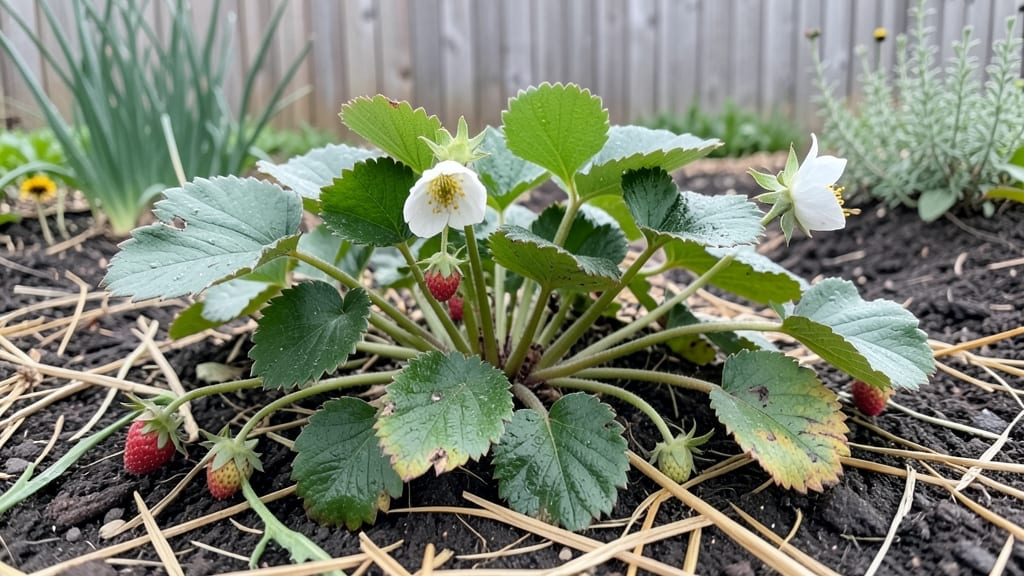
The fragrant musk strawberry plants I planted last spring didn’t just survive—they transformed my garden’s ecosystem. Their pineapple-scented foliage repels pests while improving soil structure, and my regular strawberries now produce 30% more fruit nearby.
This isn’t just a pretty ground cover; it’s a workhorse that makes your garden healthier and more productive.
Musk strawberries thrive in partial shade to full sun, making them perfect for under fruit trees or along garden edges. They prefer well-draining soil but tolerate poor conditions better than most strawberries.
Plant them in early spring or fall, spacing crowns 12-18 inches apart—just like regular strawberries, but with the added bonus of fragrant foliage that keeps pests away naturally.
Once established, they’re low-maintenance but reward you with year-round greenery and occasional fruit (though they’re not as sweet as June-bearing varieties). Water consistently during their first year to encourage strong root growth, then let them tell you what they need—drought-tolerant once mature.
The real magic happens when you pair them with regular strawberries, herbs, or vegetables.
Here’s the best part: they spread aggressively, crowding out weeds and suppressing soil-borne diseases. In my garden, they’ve become the unsung hero—no fuss, just better harvests. Ready to add this fragrant, yield-boosting plant to your garden?
Root Causes Of Struggles
Understanding why musk strawberry plants (Duchesnea indica) sometimes underperform—or even fail—helps gardeners take corrective action. These fragrant, low-growing perennials are prized for their pest-repellent properties and ability to enhance strawberry yields, but several factors can hinder their growth or effectiveness.
Below, we break down the key culprits and their scientific explanations.
Musk strawberries thrive in well-draining, slightly acidic to neutral soil (pH 6.0–7.0). If your garden bed lacks these traits, the plants may exhibit stunted growth, yellowing leaves, or poor flowering.
- Compacted or Clay-Heavy Soil 🌱 - Why? Dense soil restricts root expansion, leading to oxygen deprivation and waterlogging, which musk strawberries despise. Roots suffocate, and beneficial microbes struggle to colonize. - Actionable Fix: Amend soil with compost, perlite, or coarse sand to improve aeration.
A simple fork test—poking a trowel into the soil—can reveal compaction. If it resists, loosen the top 6–8 inches.
- Extreme pH Imbalances 📉📈 - Why? Below pH 5.5, aluminum and manganese toxicity stifle nutrient uptake.
Above pH 7.5, iron and phosphorus become locked, causing chlorosis (yellowing leaves with green veins). - Actionable Fix: Test soil with a DIY kit (or lab test) and adjust with: - Lime (for acidic soil) or sulfur (for alkaline soil). - Organic matter (like peat moss) buffers pH naturally over time.
- Nutrient Deficiencies 🌿⚡ - Why? Musk strawberries are light feeders but need nitrogen (N), phosphorus (P), and potassium (K) in balance.
A deficiency (e.g., low nitrogen) leads to pale leaves, while phosphorus starvation delays flowering. - Actionable Fix: Apply a balanced organic fertilizer (5-5-5 or 10-10-10) in early spring. Compost tea or fish emulsion provides a gentle nutrient boost without burning roots.
Musk strawberries are hardy but not invincible. Harsh growing conditions can weaken them, making them less effective as companion plants.
- Overhead Watering 💦🚫 - Why? Wet foliage invites fungal diseases like powdery mildew or leaf spot, while soggy crowns rot the plant.
Musk strawberries prefer consistent moisture at the roots but hate damp leaves. - Actionable Fix: Water early in the day (before 10 AM) using drip irrigation or a soaker hose. Avoid sprinklers—aim for 1 inch of water per week, adjusting for rain.
- Temperature Extremes ❄️☀️ - Why? Musk strawberries struggle in heatwaves above 90°F (32°C), wilting and dropping leaves.
Conversely, frost below 20°F (-7°C) can kill them to the ground (though they often regrow). - Actionable Fix: - Heat: Provide afternoon shade (e.g., with a lightweight shade cloth). - Cold: Mulch with straw or shredded leaves (2–3 inches) to insulate roots.
- Poor Air Circulation 🌀😷 - Why? Dense plantings or nearby fences/walls trap humidity, creating a breeding ground for mold and pests. Musk strawberries need open spacing (12–18 inches apart) to thrive. - Actionable Fix: Prune surrounding plants to improve airflow.
If growing in containers, ensure pots are spaced 6+ inches apart.
While musk strawberries repel pests (like slugs and aphids), they’re not immune to their own vulnerabilities.
- Root Rot (Phytophthora) 🍄💀
- Why? Waterlogged soil + poor drainage = perfect conditions for this soil-borne fungus, which attacks roots, turning them black and mushy.
- Actionable Fix:
- Prevent: Plant on mounds or raised beds to improve drainage.
- Treat: Remove infected plants and solarize soil (cover with clear plastic for 4–6 weeks in summer).
- Spider Mites & Whiteflies 🕷️🐛 - Why? Drought stress weakens musk strawberries, making them susceptible to sap-sucking pests.
These insects inject toxins, causing stippled leaves and webbing. - Actionable Fix: - Blast them off with a strong spray of water (early morning). - Introduce predators like ladybugs or lacewings. - Neem oil spray (repeat every 5–7 days) disrupts their life cycle.
- Powdery Mildew 🍄❄️
- Why? High humidity + poor airflow triggers this fungal infection, coating leaves in a white, powdery film that blocks sunlight.
- Actionable Fix:
- Prevent: Space plants 3–4 feet apart and avoid overhead watering.
- Treat: Spray with baking soda solution (1 tsp baking soda + 1 quart water + a drop of dish soap) weekly.
Even the hardiest plants suffer when planted incorrectly.
- Overcrowding 🏗️🚫 - Why? Musk strawberries spread via stolons (runners), but if planted too close, they compete for sunlight and nutrients, leading to small, weak leaves and fewer flowers. - Actionable Fix: Space plants 12–18 inches apart in rows 2–3 feet apart.
Thin seedlings to avoid congestion.
- Wrong Planting Depth 🕳️🌱
- Why? Burying the crown (where stems meet roots) too deep causes rot, while planting too shallow exposes roots to drought and temperature swings.
- Actionable Fix: Plant so the crown sits at soil level—no deeper than ½ inch below the surface.
- Ignoring Companion Dynamics 🤝🚫
- Why? Musk strawberries thrive near strawberries, lettuce, and carrots but suffer near onions or garlic (which can inhibit growth via allelopathy).
- Actionable Fix: Pair them with strawberries, raspberries, or herbs like basil for mutual benefits. Avoid planting near alliums (onion family).
Pro Tip: 💡 Diagnose before acting! If musk strawberries show symptoms, take a close look—are leaves yellowing (nutrient issue?), wilting (water/pest problem?), or moldy (disease?). A quick soil test and pest inspection save time and guesswork.
Quick fixes for musk strawberry struggles
Revitalizing your musk strawberry plants—whether they’re wilting, pest-ridden, or underperforming—doesn’t have to be a guessing game. Below, we’ll tackle the most common issues with practical, step-by-step solutions, so you can get those fragrant, yield-boosting plants back on track in no time.
Plus, we’ll share prevention tips to keep them thriving long-term!
Cause: Too much water, poor drainage, or a lack of essential nutrients (like nitrogen or iron) can stress musk strawberries, causing discoloration.
How to Fix It:
- 🔥 Check the Soil Moisture
- Stick your finger 1 inch into the soil. If it’s soggy, your plants are overwatered. If it’s bone-dry, they’re thirsty.
- Solution: Adjust your watering schedule. Musk strawberries prefer consistently moist (not soggy) soil. Water deeply 2-3 times per week (more in extreme heat) and ensure pots or beds have drainage holes.
- 🍳 Feed Them the Right Nutrients - Yellow leaves? Likely a nitrogen deficiency (common in fast-growing plants). Use a balanced organic fertilizer (like 10-10-10) or compost tea. - Brown, crispy edges? Could be magnesium or potassium deficiency.
Try Epsom salt (1 tbsp per gallon of water) for magnesium or a banana peel tea for potassium. - Pale green leaves? Iron deficiency (chlorosis). Apply chelated iron or spray with a homemade iron solution (1 tsp iron sulfate + 1 gallon water).
- 🌡️ Improve Drainage & Aeration
- If your plants are in containers, repot them into a mix of 50% potting soil + 30% compost + 20% perlite/sand.
- For in-ground plants, amend the soil with organic matter (like coconut coir or well-rotted manure).
💡 Prevention Tip:
- Mulch around plants with straw or wood chips to retain moisture without waterlogging.
- Test your soil every 6 months with a DIY kit (available at garden centers) to monitor pH (ideal: 5.5–6.5) and nutrient levels.
Cause: Musk strawberries are delicious to pests, especially in humid climates. Slugs chew leaves, aphids suck sap, and spider mites spin webs on undersides.
How to Fix It:
- 👨🍳 Manual Removal (Best for Slugs & Snails)
- 🔪 Go slug hunting at dusk with a flashlight—drop them in soapy water.
- 🥘 Set up beer traps: Bury a shallow dish filled with beer near plants. Slugs crawl in and drown.
- 🌿 Use copper tape around pots—slugs get a mild electric shock and avoid it.
- 🍳 Organic Sprays for Soft-Bodied Pests (Aphids, Mites) - Neem oil spray: Mix 1 tbsp neem oil + 1 tsp mild soap + 1 quart water.
Spray every 5–7 days until pests vanish. - Garlic & chili spray: Blend 2 garlic cloves + 1 tbsp cayenne + 1 quart water. Strain and spray—repels aphids naturally. - Insecticidal soap: Spray directly on aphids or mites (test on a few leaves first).
- 🕷️ Encourage Natural Predators
- Ladybugs love aphids—buy them online or attract them with dill or fennel plants.
- Birds & lizards eat slugs—install a bird feeder or rock piles near your garden.
💡 Prevention Tip:
- Plant companion herbs like basil, mint, or thyme nearby—their strong scents repel pests.
- Water in the morning so foliage dries quickly (slugs love damp leaves).
Cause: Musk strawberries may produce few or tiny berries due to overcrowding, lack of pollinators, or improper pruning.
How to Fix It:
- 🌿 Thin Out Overgrown Plants
- If runners (long stems) are choking the mother plant, snip them off to redirect energy to fruit production.
- 🔪 Prune dead or yellow leaves to improve airflow and reduce disease risk.
- 🐝 Boost Pollination
- Musk strawberries self-pollinate, but bees & butterflies help too. Plant bee-friendly flowers (like marigolds or lavender) nearby.
- 🕯️ Hand-pollinate if needed: Gently tap flowers with a soft paintbrush to release pollen.
- 🌡️ Optimize Growing Conditions - Sunlight: Ensure 6–8 hours of direct sun daily (partial shade in hot climates). - Temperature: Musk strawberries thrive in 60–75°F.
If nights drop below 50°F, cover plants with frost cloth. - Soil fertility: Add a slow-release organic fertilizer (like worm castings) in early spring.
💡 Prevention Tip:
- Plant in well-draining, fertile soil at the start to avoid future struggles.
- Harvest regularly—overripe berries signal the plant to stop producing.
Cause: Fungal diseases thrive in humid, poorly ventilated conditions.
How to Fix It:
- 🌿 For Powdery Mildew (White Dusty Spots)
- 🍳 Baking soda spray: Mix 1 tsp baking soda + 1 tsp oil + 1 quart water. Spray weekly on leaves (undersides too).
- 🌿 Improve airflow: Space plants 12–18 inches apart and prune crowded foliage.
- 💧 For Root Rot (Mushy, Dark Roots)
- 🔥 Stop watering immediately and let soil dry out.
- 🌱 Repot the plant in fresh, sterile potting mix (add perlite for drainage).
- 🌡️ Avoid soggy soil—water only when the top 1–2 inches are dry.
💡 Prevention Tip:
- Water at the base (not overhead) to keep leaves dry.
- Rotate crops—don’t plant strawberries in the same spot year after year.
Final Thought: Musk strawberry plants are resilient—with the right care, they’ll bounce back faster than you think! Start with one fix at a time, monitor progress, and soon you’ll have lush, fragrant, high-yielding plants that’ll make your garden the talk of the neighborhood. 🌿✨
Frequently asked questions
What makes musk strawberries different from regular strawberries?
Musk strawberries (Duchesnea indica) aren't true strawberries—they're fragrant ground covers with tiny, tart berries. Their real value lies in their pineapple-scented foliage, which repels pests and improves soil health. Unlike regular strawberries, they're perennial, drought-tolerant, and thrive in partial shade, making them perfect for underplanting fruit trees.
Can I eat the berries from musk strawberries?
Yes! The berries are edible though small and tart, not as sweet as commercial strawberries. They're best used in jams, desserts, or as garnishes. The real treasure is their fragrant leaves, which release a pleasant aroma when crushed—ideal for pest control and garden aesthetics.
How do I control musk strawberry spread?
They spread aggressively via runners, which is great for ground cover but may require management. To control spread, trim runners regularly or plant in containers. For in-ground plants, mow between rows or use edging barriers. They're not invasive but can outcompete weaker plants if unchecked.
What companion plants work best with musk strawberries?
They pair beautifully with strawberries, raspberries, lettuce, and carrots—their scent deters pests like slugs and aphids. Avoid planting near onions or garlic, as these can inhibit growth. Herbs like basil and mint also complement them well, creating a pest-repellent garden trio.
Do musk strawberries need winter protection?
They're hardy in USDA zones 5-10 but may need protection in colder regions. In zone 5 or colder, mulch heavily with straw or leaves (3-4 inches). For container plants, move to a sheltered location or wrap pots in bubble wrap. They often regrow from the roots even after frost damage.