
Light Requirements
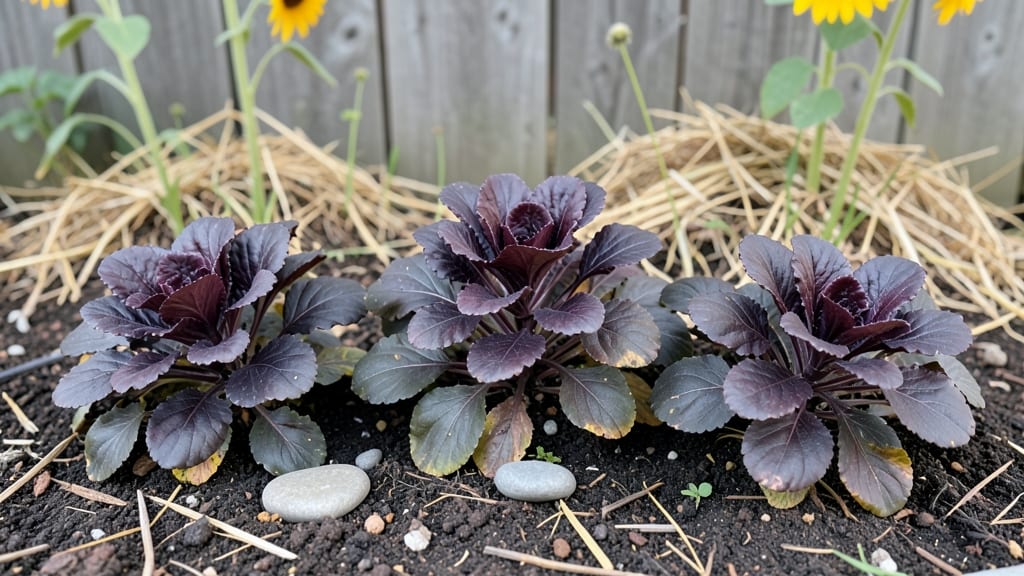
Shady spots in your yard don’t have to stay bare—no-sun shrubs turn dull corners into lush, vibrant focal points. I’ve filled my own dark garden nooks with thriving plants that bloom, provide texture, and even offer privacy without begging for sunlight.
The key is choosing the right varieties and giving them the care they actually need—not what you assume they need.
These shade-loving shrubs thrive under trees, along north-facing walls, or in spots where sunlight barely touches. Think inkberry holly for glossy evergreen privacy, dwarf fothergilla for fragrant spring blooms and fiery fall foliage, or Japanese pieris for cascading white flowers and rich green leaves.
Most need well-draining, slightly acidic soil and regular watering until established, but once they’re happy, they’ll reward you with years of effortless beauty.
Picture your space transformed: a velvety dark green hedge that stays lush all winter, a spring explosion of color from blooming shrubs, or a textured border that softens a shady foundation.
With the right spacing—usually 3 to 6 feet apart, depending on the variety—you’ll create a layered, low-maintenance garden that feels alive even in the deepest shade. The best part? These plants often attract birds and butterflies, turning your shady spot into a mini ecosystem.
Fair warning: some shrubs hate soggy soil, so amend clay or compacted ground with compost before planting. And if your shade is extreme (like under a dense oak), opt for varieties labeled "deep shade"—they’re the real MVPs of low-light gardening. Let’s bring life to those forgotten corners!
📚 In This Guide
- What you need
- Instructions
- Tips and common mistakes
- Wrapping up and next steps
What you need
- ● No-sun shrubs: Choose from these shade-loving varieties (pick 3–5 based on your space): Hostas (e.g., Hosta 'Blue Angel')
- ● Hydrangeas (e.g., Hydrangea macrophylla)
- ● Ferns (e.g., Dryopteris erythrosora)
- ● Boxwoods (Buxus sempervirens)
- ● Pieris japonica
- ● Potting soil or garden soil: 1–2 bags (ensure it’s well-draining and rich in organic matter)
- ● Compost or mulch: 1–2 cubic yards (for nutrient boost and moisture retention)
- ● Slow-release fertilizer: 1–2 lbs (balanced 10-10-10 or organic options like fish emulsion)
- ● Containers or garden beds: Pots (10–15 gallons for shrubs) or prepped garden space
- ● Gloves & knee pads (for comfort during planting)
- ● Hand trowel or spade (for digging and transplanting)
- ● Watering can or hose with spray nozzle (gentle watering is key!)
- ● Pruning shears (for shaping and maintenance)
- ● Measuring tape or ruler (to space plants 12–36 inches apart, depending on variety)
- ○ Optional but helpful: Mulch spreader (for even coverage)
- ● pH testing kit (to check soil acidity, ideal: 5.5–6.5 for most shade shrubs)
- ● Shade cloth (if your area gets some indirect light)
Step-by-Step guide to planting and maintaining no-sun shrubs
Here’s how to transform dark corners into lush, thriving spaces with shade-tolerant shrubs.
Select the Right Shrubs for Your Shady Spot
Not all shrubs tolerate deep shade, so choose varieties proven to thrive with less than 4 hours of direct sunlight daily. My top picks for low-light conditions include inkberry holly, Japanese pieris, and rhododendrons—all of which handle moisture and humidity well. Avoid sun-loving shrubs like boxwood or lilacs, as they’ll quickly decline in dim areas.
Check your space’s light levels first: morning sun only? Opt for dwarf ferns or hydrangeas. No direct light at all? Stick with inkberry or pieris, which flourish in dappled or filtered light. I always test a small area for light exposure over a few days—watch for shadows cast by trees or buildings to gauge true shade conditions.
Prepare the Planting Site for Optimal Drainage
Shade-loving shrubs still need well-draining soil—poor drainage is their biggest enemy. Amend native soil with 2-3 inches of compost and 1 part perlite per 3 parts soil to improve aeration. If your yard is clay-heavy, mix in 1 gallon of peat moss per cubic foot of soil to loosen the texture.
Dig a hole twice as wide as the root ball but only as deep as the container. This encourages roots to spread horizontally rather than sitting too deep, which can suffocate them. Tap the sides of the hole gently to remove air pockets, then water the area deeply to settle the soil before planting.
Plant with Care to Avoid Root Compaction
Remove the shrub from its container and loosen any circling roots with your fingers—this prevents girdling as the plant matures. Place it in the hole so the top of the root ball sits level with the surrounding soil (never buried deeper). Backfill with native soil mixed with compost, pressing lightly around the edges to eliminate air gaps.
Water deeply right after planting—aim for 1 gallon per shrub—to help roots establish contact with the soil. Mulch the base with 2-3 inches of shredded bark, keeping it 6 inches away from the stem to prevent rot. This conserves moisture and regulates soil temperature, both critical for shade plants.
Water and Fertilize for Long-Term Health
Shade shrubs need consistent moisture but hate soggy roots. Water once a week during dry spells, checking that the top 2 inches of soil feel damp—not soggy. In extreme heat or drought, increase to twice weekly until new growth appears. Overwatering in shade is a common mistake; yellowing leaves often signal too much moisture.
Fertilize once in early spring with a slow-release, acidic fertilizer (like 10-10-10) if your soil is neutral or alkaline. Acid-loving shrubs like pieris or rhododendrons thrive with sulfur amendments (½ cup per plant annually). Avoid high-nitrogen fertilizers—they promote leafy growth at the expense of root strength in low-light conditions.
Prune and Monitor for Pests in Shade
Prune late winter or early spring to shape your shrubs and remove deadwood. Use clean, sharp pruners to make cuts at a 45-degree angle just above a bud or branch junction. Avoid heavy pruning in shade—these plants grow slowly, and aggressive cuts stress them. I trim no more than 20% of the foliage per year to maintain vigor.
Watch for scale insects or spider mites, which thrive in dry shade. Spray leaves with neem oil (mixed at 1 tablespoon per gallon of water) if you spot sticky residue or webbing. Most shade shrubs are pest-resistant, but inkberry holly can attract berry-feeding insects—remove heavily infested branches promptly to prevent spread.
Tips & tricks for perfect no-sun shrubs
Transforming shady spaces into vibrant gardens starts with understanding these key strategies for shade-tolerant shrubs.
Selection Intelligence: When choosing between inkberry holly, Japanese pieris, or rhododendrons in Step 1, consider their specific light needs. Inkberry thrives in complete shade, while pieris prefers dappled light—test your space's light patterns for a week before selecting. Morning sun only? Dwarf ferns or hydrangeas will reward you with lush foliage without stressing from afternoon heat.
Soil Preparation Strategy: The 2-3 inches of compost and perlite mix in Step 2 isn't just about drainage—it's about creating an oxygen-rich environment. For clay-heavy soils, the 1 gallon of peat moss per cubic foot is your secret weapon. I've seen plants double their growth rate after this amendment because roots can finally breathe properly. Tap the sides of your planting hole gently to eliminate air pockets—this simple step prevents root suffocation that kills plants before they even establish.
Planting Precision: In Step 3, when loosening circling roots, be gentle but thorough—these roots can strangle the plant as it matures. The 1-gallon watering immediately after planting isn't just about hydration; it's about helping roots make immediate contact with the amended soil. And that 6-inch mulch clearance from the stem? Critical for preventing rot while maintaining moisture regulation—never skip this detail.
Long-Term Care Insight: The once-weekly watering guideline in Step 4 is your baseline, but remember: shade plants need consistent moisture without becoming soggy. I check soil dampness by pressing my finger 2 inches down—if it feels dry, water; if it's damp, wait. For acid-loving shrubs, that ½ cup of sulfur annually makes all the difference in vibrant blooms. And when pruning in Step 5, think quality over quantity—those 45-degree cuts above buds ensure healthy regrowth while maintaining your shrub's natural shape.
Pro Tips for No Sun Shrubs
- Transforming shady spaces into vibrant gardens starts with understanding these key strategies for shade-tolerant shrubs.
- Selection Intelligence: When choosing between inkberry holly, Japanese pieris, or rhododendrons in Step 1, consider their specific light needs.
- Soil Preparation Strategy: The 2-3 inches of compost and perlite mix in Step 2 isn't just about drainage—it's about creating an oxygen-rich environment.
Frequently asked questions
Got questions about no-sun shrubs? You’re not alone!
Here are some of the most common concerns—and straightforward answers—to help you pick and care for shade-loving plants with confidence.
What are the best no-sun shrubs for beginners?
Start with low-maintenance options like hostas, heucheras, or hydrangeas. These thrive in shade, handle occasional neglect, and add vibrant color or texture. For extra hardiness, boxwoods or azaleas are also great picks!
How long does it take for no-sun shrubs to grow?
Growth speed varies by plant, but most no-sun shrubs establish roots within 1–2 seasons. Slow growers like hostas may take 2–3 years to reach full size, while hydrangeas can fill out in 1–2 years with proper care. Patience pays off!
Do no-sun shrubs need extra watering?
Yes—but not always! Deep, infrequent watering (1–2 inches per week) is key, especially in the first year. Mulch helps retain moisture. Avoid soggy soil, though; most shade plants prefer consistently damp (not waterlogged) conditions.
Can I grow no-sun shrubs in containers?
Shrubs like dwarf ferns, impatiens, or creeping fig thrive in pots. Use well-draining soil and containers with drainage holes. Just monitor moisture closely—potted plants dry out faster than in-ground ones.
What pests or diseases should I watch for?
Common issues include aphids, slugs, or fungal diseases (like powdery mildew) in humid shade. Prevent pests with neem oil or diatomaceous earth. Ensure good airflow and avoid overhead watering to deter fungi.
What if my no-sun shrub isn’t thriving?
Check these first:
- Light: Is it truly in shade (not just dappled sun)? Some "shade" spots get morning light.
- Soil: Amend heavy clay or sandy soil with compost for better nutrients.
- Water: Too much or too little can stress plants.
Wrapping up and next steps
Transforming shady spots into lush, vibrant gardens is totally doable with the right no-sun shrubs! These hardy plants thrive in low-light conditions, offering beauty and resilience without needing direct sunlight.
Whether you're working with a north-facing yard, a dense tree canopy, or a cozy courtyard, these shrubs bring life and charm to areas where others struggle.
Ready to take the next step? Start small—pick one or two shrubs that match your space’s lighting and soil conditions, then expand as you gain confidence. With a little care, your shady spots will become the envy of the neighborhood! 🌿✨