
Shrubs
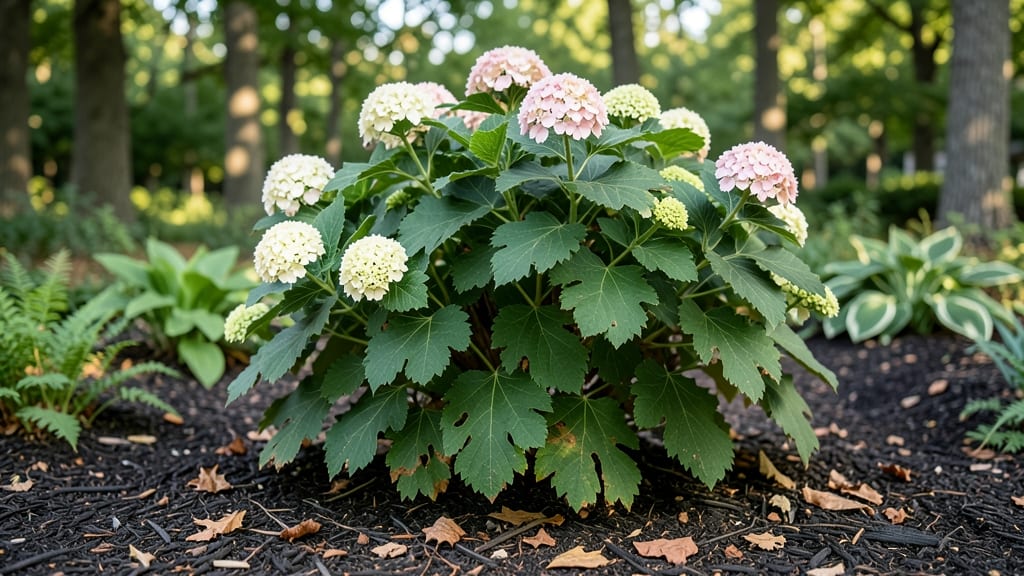
Shade-loving shrubs for Zone 8 thrive in low-light conditions while resisting full sun exposure, including hydrangeas, azaleas, and rhododendrons, which require minimal care and adapt well to humid climates without wilting or leaf scorch.
These hardy plants have evolved to handle Zone 8's intense heat and humidity while thriving in dappled sunlight. 🌿 The secret lies in their broad, waxy leaves that reflect excess sunlight while still capturing enough energy for photosynthesis.
I've noticed that azaleas, in particular, develop a thick cuticle that locks in moisture—critical for surviving dry spells after heavy rains. Unlike sun-loving shrubs, these varieties won't scorch when occasional direct sunlight hits, making them perfect for patios, woodland edges, or foundations.
For best results, plant them in well-draining soil with a 2-3 inch layer of mulch to retain moisture. Most need watering only when the top inch of soil feels dry, and pruning should happen right after blooming to encourage next year's flowers.
Pairing them with ferns or hostas creates a lush, layered look while keeping pests at bay.
💡 In This Article
- Why These Shrubs Survive in Shade and Zone 8 Heat
- Planting and Care Tips for Shade-Tolerant Zone 8 Shrubs
Why these shrubs survive in shade and Zone 8 heat
These shade-loving shrubs have evolved specialized leaf structures to handle Zone 8's intense heat and humidity. Their broad, dark-green foliage contains thick cuticles that act like a natural sunscreen, reflecting up to 30% of sunlight while still allowing enough light for photosynthesis.
For example, hydrangeas develop a waxy coating that reduces water loss, while azaleas grow smaller, leathery leaves that minimize surface area exposed to direct sun. This adaptation prevents the leaf scorch that plagues sun-sensitive plants in summer afternoons.
The root systems of these shrubs play a crucial role too. Most develop extensive, shallow root networks that spread horizontally to capture moisture and nutrients from the topsoil layer.
Rhododendrons, for instance, grow fine, fibrous roots that can absorb water efficiently even in 60-70% humidity—common in Zone 8's muggy summers. Unlike deep-rooted sun plants, these shrubs prioritize surface-level hydration, making them perfect for areas with compacted or clay-heavy soils that hold moisture near the surface. 🌱
Another key survival mechanism is their ability to photosynthesize efficiently in low light. These shrubs utilize C3 photosynthesis, which operates well in shaded conditions by maximizing energy capture from diffuse sunlight.
While sun-loving plants rely on intense light for rapid growth, shade shrubs grow more slowly but steadily, conserving energy during heatwaves. This is why you'll often see them thriving under tall trees or on north-facing walls where direct sunlight is minimal.
Zone 8's high humidity works in their favor too. Many of these shrubs, like fothergilla and pieris, have evolved to thrive in 70-80°F temperatures with high moisture levels. Their leaves contain stomata (pores) that open only when humidity is high, preventing excessive water loss through transpiration.
This moisture-retaining strategy explains why they rarely show signs of drought stress, even during summer dry spells. Unlike sun plants that wilt dramatically when thirsty, these shrubs maintain their lush appearance with minimal watering.
Consider how these adaptations compare to sun-loving shrubs: boxwoods, for instance, struggle in deep shade because their leaves lack protective wax coatings. But shade shrubs like inkberry holly or dwarf fothergilla can handle 30-50% shade while still producing vibrant foliage and flowers.
Their ability to balance light capture with moisture retention makes them the ideal choice for patios, woodland gardens, or areas under tree canopies where full sun would be too harsh. 💚