
Light Requirements
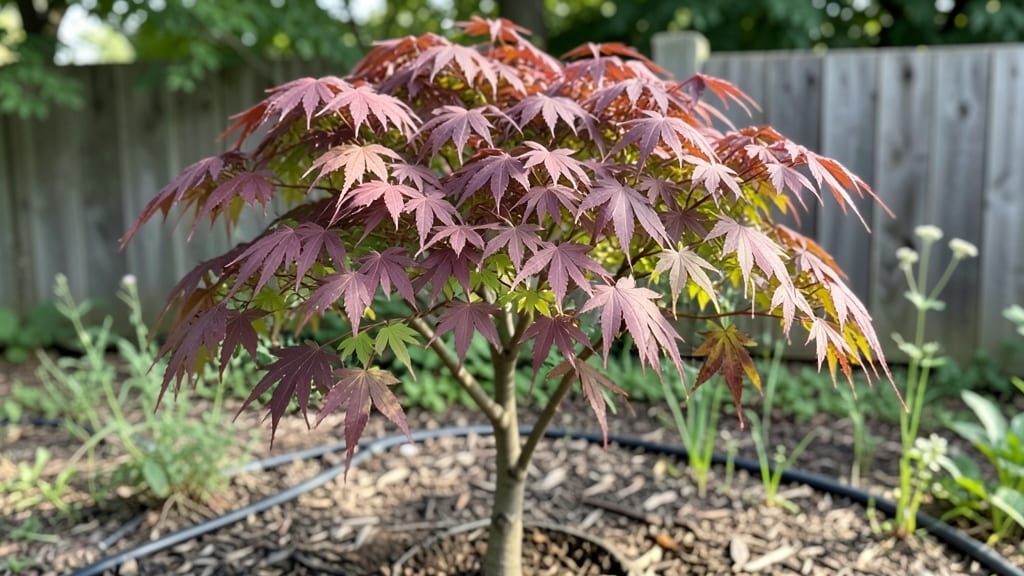
Part-shade trees are the unsung heroes of garden design—offering lush foliage, seasonal interest, and privacy without demanding full sun or constant pruning. 🌿 I’ve planted my share of finicky trees that struggled in hot afternoons, only to discover these adaptable species thrive where others fail, dropping leaves in autumn but keeping their structure year-round.
These trees excel in spots where sunlight dapples through canopies or fades by midday—think woodland edges, north-facing borders, or beneath taller evergreens.
My go-to choices include serviceberry for delicate white blooms and edible berries, dogwood for vibrant spring flowers and glossy fall color, and Japanese maple for delicate lace-like foliage that casts gentle shade. They’re all low-maintenance once established, with minimal pruning needs compared to sun-loving oaks or pines.
What you’ll gain is a layered, ever-changing backdrop that feels alive in every season. The serviceberry’s white blossoms in spring feed pollinators, its berries feed birds, and its golden fall leaves create a warm contrast.
Pair it with hostas or ferns for a woodland vibe, or let it stand alone as a statement specimen. The best part? These trees grow steadily without requiring constant attention—just occasional watering and the occasional prune to shape them.
Perfect for small yards, urban gardens, or shade gardens where sunlight is limited but structure is key. They’ll outperform most sun-lovers in part shade while still delivering the privacy and beauty you want. Let’s talk placement and pairing next—because these trees don’t just survive in part shade, they thrive there.
📚 In This Guide
- What you need
- Instructions
- Tips and common mistakes
- Wrapping up and next steps
What you need
- ● Part-shade trees: 3–5 mature trees (e.g., Amelanchier, Cornus kousa, or Fothergilla), sized 1–3 gallons (18–36" tall). Pro tip: Check local nurseries for native varieties!
- ● High-quality soil: 2–3 cubic yards of well-draining, organic-rich soil (amend with compost if your soil is clay-heavy).
- ● Mulch: 3–4 bags of wood chips or shredded bark (3" deep layer; keeps roots cool and moist).
- ○ Tree supports (optional): 3–5 stakes + flexible ties (for young, top-heavy trees).
- ● Digging tools: 1 shovel (for planting holes)
- ● 1 matoko or spade (for precision)
- ● 1 garden fork (to loosen compacted soil)
- ● Watering: 1 hose with adjustable nozzle or 5-gallon watering can.
- ● Safety gear: Gloves, knee pads, and closed-toe shoes.
- ● Site assessment: Confirm 4–6 hours of dappled sunlight daily (use a sunlight tracker app for 2 weeks).
- ● Utility check: Call 811 to locate underground lines before digging!
- ● Local regulations: Verify tree height/spacing laws (e.g., setbacks from property lines).
- ● Season timing: Plant in early spring or fall (avoid summer heat or winter frosts).
- ● Slow-release fertilizer: 1 10-lb bag of 10-10-10 (sprinkle around roots post-planting).
- ● Tree guards: 3–5 plastic or metal tree collars (protects young trunks from critters).
- ● Soil tester kit: Check pH levels (ideal: 6.0–7.0 for most part-shade trees).
- ● Drip irrigation system: Automates watering (great for drought-prone areas).
Step-by-Step guide for planting part shade trees
Here’s my go-to method for selecting and planting trees that thrive in part shade while delivering year-round privacy.
🌱 Step 1: Choose the Right Trees for Your Space
Part shade trees need 4-6 hours of filtered sunlight daily—avoid full sun or deep shade varieties. My top picks for minimal pruning needs include serviceberry, dogwood, or eastern redbud, all of which handle partial shade beautifully. Check your hardiness zone first; these trees grow best in zones 5-8 for consistent foliage.
Look for 1-3 gallon container-grown trees at nurseries—they establish faster than bare-root stock. I always inspect the root ball for circling roots (a sign of pot-bound stress) and avoid trees with yellowing leaves or brittle branches. Healthy specimens mean fewer adjustments later.
🪴 Step 2: Prepare the Planting Site
Dig a hole twice as wide as the root ball but only as deep—planting too deep suffocates roots. Loosen the soil at the bottom with a shovel to encourage root spread. If your soil drains poorly, mix in 2-3 inches of compost from the ingredients list into the hole to improve aeration.
Test the hole’s depth by placing the tree in it—top of the root ball should sit 1-2 inches below ground level. This slight burying prevents stem rot while keeping roots stable. I always mark the hole’s center with a stake to keep the planting spot precise.
☀️ Step 3: Plant and Water for Immediate Stability
Remove the tree from its container and gently tease apart any circling roots with your fingers. Place it in the hole, ensuring the stem faces the direction you want it to grow (this matters for future pruning ease). Fill the hole with the amended soil, pressing lightly every 2-3 inches to eliminate air pockets.
Water deeply—about 5 gallons—to settle the soil and eliminate gaps. The goal is moist but not soggy soil at the root level. Mulch with 2-3 inches of shredded bark (from the ingredients list) around the base, keeping it 6 inches away from the trunk to prevent rot.
🌿 Step 4: Monitor and Adjust for Long-Term Growth
Keep the soil evenly moist for the first 6-8 weeks—water when the top 2 inches feel dry. Overwatering now can drown roots, while underwatering stresses young trees. I set a reminder to check weekly, especially in hotter months.
After 12 months, assess the tree’s growth direction. If branches lean too heavily toward the sun, prune one-third of the longest stems in late winter to encourage balanced growth. Avoid heavy pruning now—you’ll only stress the tree and invite disease.
⏰ Step 5: Plan for Year-Round Privacy
Combine your part shade tree with evergreen shrubs (like inkberry holly) for layered privacy. Plant these 3-5 feet away from the tree’s trunk to avoid root competition. The tree’s canopy will fill in within 3-5 years, while the shrubs provide instant ground cover.
Fertilize lightly in early spring with a balanced 10-10-10 formula—just 1/4 cup per tree—to support leafy growth. Over-fertilizing here leads to weak wood and more pruning later. I swear by patience: these trees reward it with decades of low-maintenance beauty.
Tips & tricks for perfect part shade trees
Planting trees that thrive in part shade requires attention to detail—here's what I've learned after years of trial and error to ensure your trees establish beautifully and deliver that lush privacy you're after.
Tree Selection Wisdom: In Step 1, when choosing between serviceberry, dogwood, or eastern redbud, consider your specific needs. Serviceberry offers stunning fall color, while dogwood provides elegant spring blooms. Eastern redbud delivers early spring flowers and minimal maintenance. I always verify the tree's mature height against your space—some varieties can reach 25 feet, while others stay compact at 10 feet. This prevents future pruning headaches.
Root Ball Preparation: The moment you remove a tree from its container in Step 3, gently tease apart any circling roots with your fingers. These roots form when trees sit too long in containers and can strangle the tree's growth if left intact. I also recommend soaking the root ball for 10-15 minutes before planting—this helps rehydrate roots that may have dried out during transport. The goal is to minimize transplant shock from the start.
Watering Strategy: That initial 5-gallon watering in Step 3 is just the beginning. For the first 6-8 weeks, I create a watering schedule that delivers 1-2 gallons of water every 3-4 days, depending on rainfall. Use a rain gauge to track precipitation—this prevents overwatering while ensuring consistent moisture. The key is maintaining that moist-but-not-soggy soil at the root level we discussed earlier.
Pruning Timing: When you reach Step 4's 12-month growth assessment, remember that late winter is the absolute best time for pruning these trees. The dormant season means less stress on the tree and better healing. I always prune on a dry day when temperatures are above freezing—this gives the tree's wounds time to callus properly before spring growth begins.
Pro Tips for Part Shade Trees
- Planting trees that thrive in part shade requires attention to detail—here's what I've learned after years of trial and error to ensure your trees establish beautifully and deliver that lush privacy you're after.
- Tree Selection Wisdom: In Step 1, when choosing between serviceberry, dogwood, or eastern redbud, consider your specific needs.
- Root Ball Preparation: The moment you remove a tree from its container in Step 3, gently tease apart any circling roots with your fingers.
Frequently asked questions
Got questions about part shade trees? You’re not alone! Here are some of the most common concerns—and their straightforward answers—to help you make the best choice for your space.
What exactly is "part shade," and how much sun do these trees really need?
Part shade typically means 3–6 hours of direct sunlight daily, with the rest of the time in dappled light or filtered shade. Trees like the Japanese maple or ornamental cherry thrive in these conditions, making them perfect for patios, under eaves, or near taller trees.
Can part shade trees grow in full shade? Will they survive?
Most part shade trees won’t thrive in full shade (less than 3 hours of sun), though some, like the dwarf fernbush, tolerate it better than others. If your spot is shady, opt for shade-tolerant varieties or supplement with grow lights for young trees.
How long does it take for part shade trees to provide privacy?
That depends on the species! Faster-growing options like ornamental plum (12–24 inches/year) offer privacy in 3–5 years, while slower growers (e.g., dogwood) may take 5–10 years. Dwarf varieties mature quicker but stay smaller.
What’s the best time of year to plant part shade trees?
Spring or early fall are ideal—spring lets roots establish before summer heat, while fall (6–8 weeks before frost) avoids winter stress. Avoid planting in extreme heat or cold; young trees need time to adapt.
Are there low-maintenance alternatives to traditional part shade trees?
Yes! Consider shrubs like boxwoods or ornamental grasses for easier upkeep. For trees, columnar varieties (e.g., Green Giant arborvitae) grow tall with minimal pruning and handle part shade well.
Why is my part shade tree’s leaves yellowing or dropping? How do I fix it?
Yellow leaves often signal overwatering, underwatering, or nutrient deficiency. Check soil moisture (it should be damp but not soggy) and adjust watering. Yellowing at the edges? It might be underwatering or salt buildup. Apply a balanced fertilizer in spring and mulch to retain moisture.
Wrapping up and next steps
Part shade trees are the perfect solution for year-round privacy without the hassle of constant pruning—offering lush foliage, low maintenance, and adaptability to dappled sunlight. Whether you’re looking for fast growth, seasonal color, or wildlife-friendly options, these trees deliver beauty and function with minimal effort. 🌿
Ready to transform your space? Start by assessing your yard’s light conditions and research the top trees (like Japanese Maple or Eastern Redbud) that fit your style. Plant one this season and enjoy the rewards for years to come!