
Shrubs
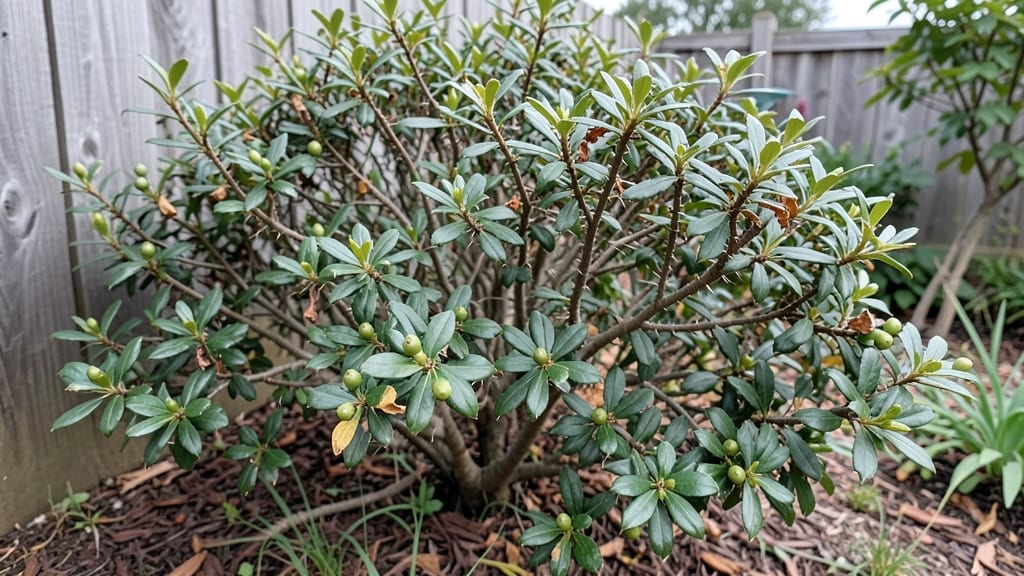
A spiky-leaved shrub instantly transforms a yard from ordinary to striking—no matter how small your space. These plants pack serious visual punch with their sharp foliage, creating natural barriers that scream "private retreat" without swallowing your property.
I’ve tested holly, pyracantha, and even agave varieties in tight urban yards, and they all deliver that same bold, architectural presence year-round.
The real magic happens when you pair them with softer textures. A holly’s glossy leaves stand out against airy ferns or delicate perennials like lamb’s ear, while pyracantha’s thorns let you tuck in climbing roses without fear of prying eyes.
These shrubs thrive in full sun to partial shade and handle poor soil like champions—perfect for filling awkward corners or marking property lines with style.
Imagine this: a 3-foot-tall holly hedge blocking nosy neighbors’ views while its red berries feed birds through winter. Or a single agave at your front door, its sword-like leaves announcing "this is mine" with zero fuss.
The best part? They grow slowly, so you won’t be trimming every month—just occasional shaping to keep them looking intentional.
For city lots or suburban backyards, these shrubs are the ultimate space-saver. Plant them in clusters for height, line them along fences for height, or use them as dramatic focal points near patios.
The key is letting their natural shape do the work—no overpruning needed. Your yard will feel both polished and wild, all at once.
Nature’s Defense Mechanism Explained
When you encounter a shrub with spiky leaves, it’s not just a quirky design—it’s a survival strategy. These sharp, thorny, or serrated foliage serve critical purposes in the plant’s life cycle, from deterring herbivores to optimizing sunlight exposure.
Let’s break down the science behind why these shrubs evolve such striking defenses.
One of the primary reasons shrubs develop spiky leaves is to ward off hungry animals. Thorns and sharp edges act as a physical barrier, making it difficult (and painful) for deer, rabbits, or insects to nibble on the plant.
This adaptation is especially common in drought-prone or nutrient-scarce environments, where competition for resources is fierce.
- Thorns vs. Spines:
- Thorns (like those on roses) are modified stems with vascular tissue, making them tougher and harder to break.
- Spines (e.g., cacti or holly) are often leaf modifications, sharper but more brittle, designed to pierce skin and deter grazers.
- Chemical Deterrents: Many spiky shrubs also produce alkaloids or tannins in their leaves, which are bitter or toxic. The combination of physical spikes and chemical defenses makes them a double threat to pests.
Pro Tip: 🌱 If you’re growing a spiky shrub for privacy, its defenses also mean less maintenance—fewer pests mean fewer chewed leaves!
Spiky leaves aren’t just for defense—they can also optimize photosynthesis. Some shrubs with serrated or lobed foliage (like Russian olive or honey locust) have leaves that reduce surface area while still capturing sunlight efficiently. Here’s how:
- Reduced Water Loss: Smaller, spiky leaves have less surface area exposed to wind and sun, minimizing water evaporation—a critical advantage in arid climates.
- Light Penetration: In dense shrubs, spiky leaves allow sunlight to reach lower branches, ensuring even growth across the plant.
- Heat Reflection: Some sharp, silver-tipped leaves (like those on artemisia) reflect excess sunlight, preventing overheating in hot climates.
Fun Fact: 🔍 The holly shrub’s glossy, spiky leaves are angled to bounce light away from the plant, reducing stress in full-sun conditions.
Spiky leaves often correlate with structural resilience. Shrubs in harsh environments (e.g., coastal areas, rocky soils) develop leaves that:
| Adaptation | Purpose |
|---|---|
| Leathery, waxy texture (e.g., boxwood) | Resists wind damage and retains moisture. |
| Curled or rolled edges (e.g., rosemary) | Reduces water loss and protects delicate tissues. |
| Thick cuticles (e.g., yucca) | Blocks pathogens and extreme temperatures. |
Pro Tip: 🌡️ If your spiky shrub is struggling, check its leaves—soft, drooping spikes may signal underwatering or disease, while crispy, brittle tips often mean over-exposure to salt or wind.
While spiky leaves offer clear survival benefits, they come with trade-offs. For example:
- Slower Growth: Energy diverted to thorns means fewer resources for rapid expansion, which is why many spiky shrubs grow slowly but live for decades.
- Limited Flexibility: Rigid leaves can’t photosynthesize as efficiently as broad leaves in lush environments, which is why you’ll rarely see spiky shrubs in rainforests.
- Pollination Challenges: Some spiky plants rely on wind or insects that must navigate around thorns, evolving unique flower structures (e.g., yucca’s night-blooming flowers adapted for moths).
Design Note: 🎨 Gardeners often prune spiky shrubs to balance aesthetics and function—trimming thorns can encourage bushier growth while still maintaining some natural defenses.
Fixing Common Spiky Shrub Issues
Now that you know the why behind your spiky-leaved shrub’s challenges, let’s tackle the how. Whether it’s overgrowth, pests, or poor health, these practical solutions will help you restore your shrub’s lushness—without sacrificing its signature sharp foliage.
Below, we’ve mapped fixes to common problems, complete with prevention tips to keep your privacy screen thriving year-round.
Cause: Rapid growth, lack of pruning, or aggressive root spread. Fix:
- 🔪 Trim Strategically
- Use clean, sharp pruners (sterilized with rubbing alcohol) to snip back overgrown branches in early spring or late fall.
- Cut just above a leaf node (the bump where leaves grow) at a 45-degree angle to encourage bushier growth.
- For dense shrubs, thin out 1/3 of the oldest stems at the base to improve airflow.
- 🌱 Shape Regularly
- Give your shrub a light trim every 6–8 weeks during the growing season to maintain its form.
- Use a handheld hedge trimmer for neat edges or loppers for thicker branches.
💡 Prevention Tip:
- Mulch heavily (2–3 inches of organic mulch) to suppress aggressive root spread.
- Plant in containers if space is tight—just ensure the pot is at least 18 inches deep for mature shrubs.
Cause: Spider mites, aphids, fungal spots, or bacterial leaf blight. Fix:
- 🚰 Rinse Off Soft-Bodied Pests
- Spray infested areas with a strong stream of water to dislodge aphids or spider mites.
- Follow up with neem oil (1 tsp per quart of water) or insecticidal soap—spray early morning or evening to avoid harming beneficial insects.
- 🌡️ Treat Fungal Issues
- Remove all infected leaves and dispose of them in the trash (not compost).
- Apply a copper fungicide or baking soda spray (1 tbsp baking soda + 1 quart water + a drop of dish soap) every 7–10 days until the problem clears.
- 🌱 Boost Plant Immunity
- Fertilize lightly with a balanced, slow-release fertilizer (10-10-10) in early spring to strengthen roots.
- Water at the base (avoid wetting leaves) to prevent fungal spores from spreading.
💡 Prevention Tip:
- Space shrubs 3–5 feet apart for better airflow—this reduces humidity, which pests and fungi love.
- Avoid overhead watering—use drip irrigation or soaker hoses instead.
Cause: Nutrient deficiency, improper sunlight, or compacted soil. Fix:
- 🌍 Test Your Soil
- Grab a soil test kit (available at garden centers) to check pH and nutrient levels.
- Most spiky shrubs prefer slightly acidic to neutral soil (pH 6.0–7.0). Amend with compost or peat moss if needed.
- ☀️ Adjust Light Exposure
- If leaves are pale or stretched, your shrub needs more sun (6+ hours daily).
- If leaves are dark and weak, it may be overcrowded—thin nearby plants or transplant if necessary.
- 🍽️ Feed the Right Way
- Use a low-nitrogen, high-phosphorus fertilizer (e.g., 5-10-10) in early spring to encourage root growth.
- Avoid high-nitrogen fertilizers (like lawn food)—they promote leafy growth at the expense of spiky structure.
💡 Prevention Tip:
- Aerate compacted soil with a garden fork in early spring to improve drainage and root access to nutrients.
- Mulch annually with wood chips or pine straw to retain moisture and regulate soil temperature.
Cause: Freeze-thaw cycles, salt spray (near roads), or improper mulching. Fix:
- 🧊 Protect in Late Fall
- Wrap young shrubs in burlap or frost cloth if temperatures drop below 20°F.
- Pile mulch 4–6 inches deep around the base (but not touching the stem) to insulate roots.
- 🌱 Prune Dead Wood in Early Spring
- Wait until new growth appears before cutting back brown, mushy, or hollow stems.
- Sterilize pruners between cuts to prevent bacterial spread.
💡 Prevention Tip:
- Choose cold-hardy varieties (like Holly or Boxwood) if you live in Zone 5 or colder.
- Avoid salty de-icers near shrubs—rinse soil with water if salt buildup occurs.
Final Pro Tip: 🎯 Observe your shrub weekly—early intervention (like spotting aphids before they multiply) saves time and effort. With these fixes, your spiky-leaved shrub will stay dense, healthy, and sharp—perfect for year-round privacy!
Frequently asked questions
Which shrubs with spiky leaves work best for small urban yards?
For tight spaces, opt for compact varieties like dwarf holly (e.g., 'Sky Pencil' holly) or pyracantha ('Mojave' or 'Orange Glow'). These stay under 6 feet tall while delivering dramatic texture. Agave 'Blue Glow' also fits well in containers, adding architectural flair without sprawling.
Can spiky-leaved shrubs still provide wildlife benefits?
Many spiky shrubs like holly and pyracantha produce berries that birds adore (especially robins and waxwings). The thorns also create safe nesting spots for songbirds. Just avoid over-pruning—leave some berry clusters for wildlife!
How do I safely handle spiky shrubs without getting pricked?
Wear thick gardening gloves (like leather or heavy-duty nitrile) and use long-handled pruners for overhead branches. For dense shrubs, work in sections—trim one area at a time to avoid accidental pokes. Always prune after rain when leaves are softer.
Are there non-toxic spiky shrubs for homes with pets?
Yes! Boxwood and Russian olive are pet-safe alternatives with spiky foliage. Avoid holly (toxic berries) or pyracantha (mildly toxic). Always check with your vet if your pet shows interest in chewing leaves.
Can I mix spiky shrubs with flowering plants for a layered look?
Perfect pairing! Try spiky shrubs as a backdrop with climbing roses or clematis in front—they’ll soften the sharp edges while adding color. For ground cover, use heuchera or lamium to create contrast. Just ensure the flowering plants get enough sunlight.