
Diseases
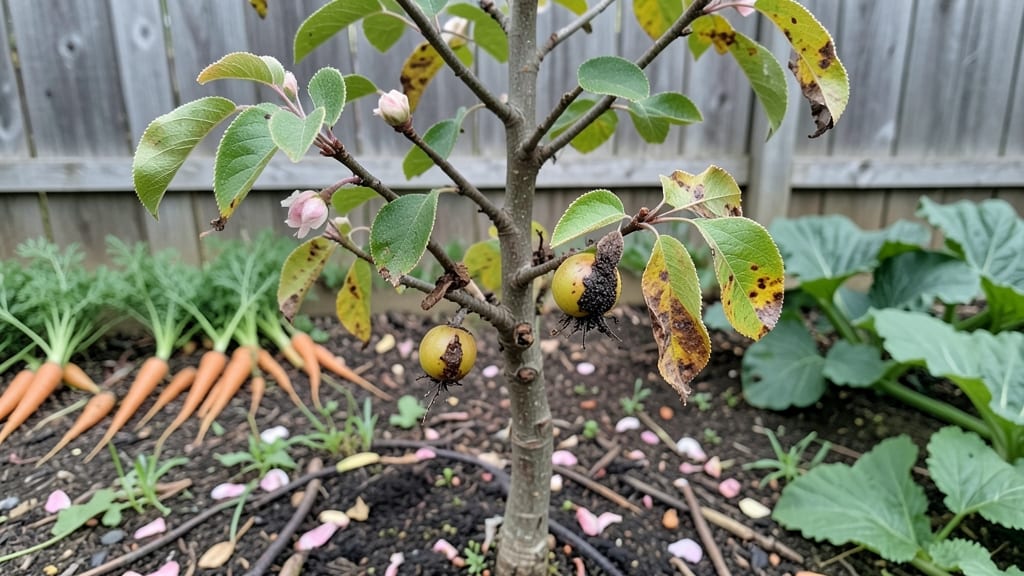
Identifying peach tree diseases with the help of pictures of peach tree diseases can mean the difference between a thriving harvest and a ruined one—here’s how to spot trouble before it spreads. 🌿 I’ve seen healthy trees turn into sad, spotted messes overnight—until I learned to recognize the warning signs.
This guide shows you exactly what to look for, so you can act fast and keep your tree thriving.
The most common culprits—like brown rot, leaf curl, and bacterial spot—each have distinct marks: mummified fruit, curled leaves, or tiny black dots. I’ll walk you through how to tell them apart, what’s causing them, and the simple fixes that work. No confusing botanical terms, just clear photos and straightforward advice.
By the time you finish, you’ll spot trouble before it spreads. You’ll know when to prune, spray, or just leave it alone. The key is catching it early—before the whole tree looks like a science experiment gone wrong.
This isn’t just about fixing problems; it’s about keeping your peach tree productive for years. University-backed tips included, so you’re not guessing. Let’s get those trees healthy again.
Root Causes Of Peach Tree Ailments
Understanding why peach trees develop diseases is the first step to preventing them. These issues rarely arise in isolation—they’re often the result of a perfect storm of environmental, biological, and cultural factors.
Below, we break down the key triggers behind common peach tree diseases, so you can take proactive steps to protect your orchard.
Fungal diseases like peach leaf curl (Taphrina deformans), brown rot (Monilinia fructicola), and powdery mildew (Podosphaera oxyacanthae) thrive when moisture lingers on leaves, fruit, or bark. Here’s why:
- Excessive Moisture 💧 Fungi spread via spores, which germinate and infect plants when humidity stays above 90% for extended periods. Rain, overhead irrigation, or dense foliage trapping dew create ideal conditions. - Actionable fix: Water early in the day (before 10 AM) to allow foliage to dry quickly.
Use drip irrigation instead of sprinklers to avoid wetting leaves.
- Temperature Fluctuations Many fungi, such as Cladosporium carpophilum (causing scab), require cool, wet springs (50–75°F) to establish infections. Warm days followed by chilly nights create condensation—fungal gold.
- Pro tip: Apply copper fungicides (like Bordeaux mixture) before buds swell in early spring to disrupt spore germination.
- Poor Air Circulation Dense canopies or overcrowded trees trap humidity, giving fungi a foothold. Brown rot, for example, spreads rapidly in tightly packed orchards.
- Solution: Prune trees to open the canopy and remove mummified fruit (a fungal reservoir) from last season.
Some diseases don’t act alone—they hitch a ride on insects. For instance:
- Peach Twig Borer (Anarsia lineatella) This moth’s larvae chew into twigs, creating wounds where bacterial canker (Pseudomonas syringae) or silver leaf disease (Chondrostereum purpureum) can enter. - Defense strategy: Use pheromone traps in early spring to monitor populations.
Apply horticultural oil to smother eggs.
- Aphids & Scale Insects These sap-suckers weaken trees, making them susceptible to viruses (like peach mosaic) and sooty mold (a black fungal growth fed by their honeydew).
- Quick fix: Blast trees with water sprays to dislodge aphids or introduce ladybugs (natural predators).
- Stink Bugs & Fruit Flies Their feeding wounds provide entry points for bacterial spot (Xanthomonas arboricola pv. pruni), a disease that causes oily, corky lesions on leaves and fruit.
- Prevention: Apply kaolin clay as a physical barrier or use reflective mulch to deter pests.
Unhealthy soil sets the stage for disease. Peach trees stressed by nutrient deficiencies or compaction have weakened defenses.
- Nitrogen Deficiency Trees low in nitrogen produce thin, yellow leaves, making them vulnerable to leaf curl and powdery mildew. Over-fertilizing with nitrogen can also delay dormancy, leaving trees susceptible to late-season infections. - Balanced approach: Test soil annually and side-dress with compost in early spring.
Avoid high-nitrogen fertilizers in fall.
- Zinc or Boron Shortages Deficiencies in micronutrients like zinc or boron lead to stunted growth and poor fruit set, increasing susceptibility to bacterial canker and root rot (Phytophthora).
- Soil boost: Apply chelated zinc or borax (follow label rates) in early spring.
- Compacted or Waterlogged Soil Poor drainage smothers roots, inviting root rot fungi (Armillaria or Phytophthora). Even slight waterlogging can trigger lethal yellowing.
- Drainage fix: Amend soil with sand or compost, and avoid planting in low-lying areas.
Sometimes, well-meaning gardening practices accelerate problems. Common offenders include:
- Overhead Irrigation Watering from above splashes spores from soil or mulch onto leaves, spreading brown rot and leaf spot.
- Swap it for: Drip irrigation or soaker hoses to deliver water at the base.
- Improper Pruning Cutting too late in the season (after buds swell) or using contaminated tools introduces bacterial canker and silver leaf.
- Pruning protocol:
- Use sterilized pruners (70% alcohol or bleach solution).
- Prune during dormancy (late winter) to avoid spreading spores.
- Pruning protocol:
- Ignoring Sanitation Leaving infected leaves, fruit, or twigs on the ground over winter feeds fungal spores for next year’s outbreak.
- Cleanup checklist:
- Rake and destroy (don’t compost) fallen leaves and mummified fruit.
- Remove dead wood to prevent twig borers and canker spread.
- Cleanup checklist:
Peach trees in the wrong place struggle to fight off diseases. Key factors:
- High Humidity + Poor Drainage Regions with hot, humid summers (like the Southeast U.S.) see explosive fungal growth.
Pair this with clay soil, and you’ve got a recipe for root rot and brown rot. - Adaptation: Plant resistant varieties (e.g., ‘Redhaven’ for brown rot tolerance) and raise beds if drainage is poor.
- Late Frosts or Early Heat Peach leaf curl spores germinate when temperatures rise above 50°F after a dormant period. If a late frost hits, new growth dies back, stressing the tree.
- Frost protection: Use row covers or sprinklers (to create ice insulation) during frost warnings.
- Urban Pollution or Wind Damage Ozone pollution (common in cities) weakens leaves, making them more prone to mildew. Physical damage from wind or hail also opens doors for bacterial infections.
- Urban fix: Apply antioxidant sprays (like seaweed extract) to boost tree resilience.
Fixing Peach Tree Diseases Step-by-Step
Now that you’ve identified the issue, it’s time to act! Early intervention is key to saving your peach tree. Below are practical, actionable solutions tailored to the most common diseases, along with prevention tips to keep your tree thriving.
Think of this as your peach tree first-aid kit—follow these steps to restore health and prevent future outbreaks.
🔥 Cause: Xanthomonas or Pseudomonas bacteria 🍳 Fix It: Remove and Destroy Infected Foliage
- Prune Aggressively 🪓
- Cut off
- Disinfect tools after each cut to prevent cross-contamination.
- Apply Copper-Based Fungicide 🛡️
- Spray a
- Pro Tip: Apply in the early morning to avoid burning leaves in direct sunlight.
- Improve Air Circulation 🌬️
- Thin out dense branches to reduce humidity buildup.
- Space trees 12–15 feet apart for better airflow.
💡 Prevention Tips:
- Avoid overhead watering—use drip irrigation to keep leaves dry.
- Remove fallen leaves and debris from the base of the tree.
- Plant resistant varieties like ‘Redhaven’ or ‘Elberta’ if bacterial leaf spot is recurrent.
🌡️ Cause: Taphrina deformans fungus (overwinters on buds) 👨🍳 Treat It: Dormant Season Spray + Cleanup
- Spray Dormant Oil or Lime Sulfur ⏰
- Apply
- Timing is critical! Do this when temperatures are above 40°F (4°C) to avoid plant damage.
- Remove and Burn Infected Leaves 🔥
- Rake up all fallen leaves in autumn and burn or compost them (do not mulch).
- Sterilize pruning tools after each cut.
- Boost Tree Health 💪
- Fertilize with balanced 10-10-10 in early spring to strengthen the tree.
- Ensure proper drainage—leaf curl thrives in soggy soil.
🎯 Prevention Tips:
- Plant trees in full sun (6+ hours/day) to reduce moisture retention.
- Choose resistant cultivars like ‘Contender’ or ‘Reliance’.
- Avoid wounding the bark—fungus can enter through cuts.
🍎 Cause: Monilinia fructicola fungus (affects blossoms and fruit) 🥘 Turn It Around: Fungicide Schedule + Sanitation
- Prune and Burn Infected Fruit 🔪
- Remove
- Prune crossed branches to improve airflow.
- Apply Fungicide at Key Times 🛡️
- Spray
- Petal fall (7–10 days after flowering).
- Shuck split (when pits form).
- Reapply every 10–14 days during wet weather.
- Thin Fruit Early 🍑
- Reduce fruit load by
✨ Prevention Tips:
- Remove all fallen fruit from the ground immediately.
- Disinfect tools between trees if moving to a new orchard.
- Avoid late-season irrigation to reduce humidity.
Even if your tree isn’t sick yet, these habits will fortify its defenses:
- 📊 Soil Test & Amend: Ensure pH is 6.0–7.0 (ideal for peaches).
Add compost or aged manure for nutrients. - 💧 Water Deeply, Less Often: Aim for 1–1.5 inches per week—avoid wetting leaves. - 🌱 Mulch Properly: Use 2–3 inches of wood chips, keeping mulch 6 inches away from the trunk. - 🐞 Encourage Beneficial Insects: Ladybugs and lacewings naturally control pests that stress trees.
Final Thought: Most peach tree diseases are manageable with early action and consistency. Stay vigilant, follow the steps above, and your tree will bounce back—producing juicy peaches for years to come! 🍑🌟
Frequently asked questions
How can I tell if my peach tree has brown rot vs. bacterial spot?
Brown rot shows up as mummified fruit (dried, shriveled peaches) and tan circular spots on leaves with a fuzzy center. Bacterial spot, however, creates tiny black dots that grow into oily, corky lesions on leaves and fruit. Check for these key differences: brown rot affects blossoms and fruit first, while bacterial spot targets leaves and young fruit.
What’s the best time of year to treat peach leaf curl?
Apply dormant oil or lime sulfur in late winter (before buds swell) when temperatures are above 40°F. This smothers overwintering spores before they infect new growth. Early spring treatments are critical—waiting until leaves appear means the fungus has already taken hold.
Can I save my peach tree if it already has fungal diseases?
Yes! Act fast by pruning infected branches (sterilize tools between cuts), applying copper fungicide, and improving airflow. Remove all fallen leaves and mummified fruit to break the disease cycle. With consistent care, most trees recover—just don’t wait until summer to start treatment.
Why does my peach tree keep getting powdery mildew even after spraying?
Powdery mildew thrives in humid, shaded conditions. If sprays aren’t working, check your watering habits (overhead sprinklers worsen it) and prune for better airflow. Try neem oil or baking soda spray (1 tsp baking soda + 1 quart water + drop of soap) as a natural alternative. Thin canopies and space trees 12–15 feet apart to reduce moisture buildup.
Are there peach tree varieties that resist diseases naturally?
Look for ‘Redhaven’ (brown rot resistant), ‘Contender’ (leaf curl tolerant), or ‘Reliance’ (bacterial spot resistant). These cultivars are bred to handle common issues, but they still need proper care—like good airflow and sanitation—to stay healthy. Resistant varieties cut down on chemical treatments but don’t eliminate them entirely.