
Flowers
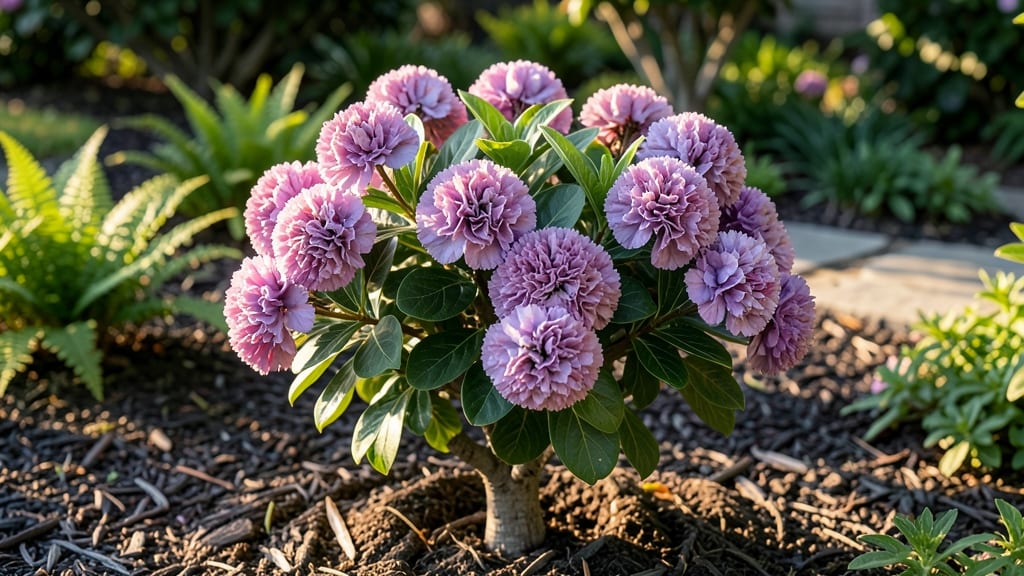
Growing a thorn-free princess flower shrub transforms your yard into a fragrant, shade-filled oasis. 🌿 This tropical beauty thrives with minimal fuss—just the right spot, a little patience, and my three-step pruning system to keep it lush and manageable.
The first year is all about establishing strong roots, and by summer, you’ll be rewarded with cascading clusters of pink and white blooms that smell like cotton candy after rain. The secret to success starts with well-draining soil and full sun, but don’t stress if your yard isn’t perfect.
Princess flowers are forgiving—just avoid soggy roots and they’ll reward you with year-round interest, from glossy leaves to fiery fall foliage. Water deeply once a week (more in extreme heat), and you’ll skip the guesswork that kills so many shrubs.
Pruning isn’t just about shaping—it’s about health. Cut back one-third of the oldest stems each year to encourage fresh growth, and remove any dead wood immediately. The result? A shrub that stays compact, blooms prolifically, and never becomes a thorny mess.
Even my black thumb can’t kill these. Works beautifully as a privacy screen, patio focal point, or mixed-border star. Here’s how to make it thrive in your space—no horticulture degree required.
📚 In This Guide
- What you need
- Instructions
- Tips and common mistakes
- Wrapping up and next steps
What you need
- ● Pruning shears – Sharp, bypass-style shears (for clean cuts). 1 pair (or 2 if working with large branches).
- ● Loppers – For thicker branches (½"–2" diameter). 1 pair.
- ● Gloves – Heavy-duty gardening gloves (to protect from thorns and sap). 1 pair.
- ● Disinfectant (70% rubbing alcohol or bleach solution) – To sterilize tools between cuts. Small bottle or spray.
- ○ Pruning saw – For stubborn, thick branches. 1 saw (optional but handy).
- ● Trash bags or bucket – For collecting pruned branches. 2–3 bags or 1 bucket.
- ○ Pruning sealant (optional) – For large cuts to prevent disease. Small tube.
- ● Sunny day – Choose a dry, overcast day to minimize stress on the plant.
- ● Weather check – Avoid pruning if rain or extreme heat is forecasted.
- ● Watering the day before – Lightly water the shrub to reduce sap flow.
- ● Clear workspace – Remove rocks, debris, or obstacles around the shrub.
Step-by-Step instructions for pruning a princess flower shrub
Here's my go-to method for keeping your princess flower (Tibouchina) lush, thorn-free, and blooming year after year.
✂️ Step 1: Prune for Shape in Late Winter
Grab your clean, sharp pruners and tackle this when new growth just starts to show—around mid-February to early March in most climates. I like to work on a dry day when the plant is dormant but before buds swell. Start by removing any dead, crossing, or inward-growing branches first. These compete for energy and create weak spots where pests can hide.
Next, shape the shrub by cutting back one-third of the oldest growth to encourage fresh, vigorous shoots. Look for branches that are thicker than a pencil—these are your main structural limbs. Cut just above an outward-facing bud or leaf node at a 45-degree angle. This ensures water runs off the cut instead of pooling and rotting the stem.
🌿 Step 2: Thin Out for Airflow in Early Spring
Once the first flush of new leaves appears—usually 4-6 weeks after your late-winter prune—it's time to focus on airflow. Dense princess flower shrubs trap humidity, which invites fungal diseases like powdery mildew. I start at the center and work outward, removing any branches that rub against others or grow too close together.
Don't be afraid to take out 20-30% of the plant's volume if it's looking crowded. You'll know you've done enough when you can see light filtering through the center. Prune just above a set of healthy leaves or a bud that points in the direction you want the branch to grow. This keeps the plant fuller and more balanced.
☀️ Step 3: Light Maintenance Pruning After Blooming
After the vibrant purple blooms fade—typically late summer to early fall—give your princess flower a final trim to keep it tidy. Deadhead spent flowers by cutting back to the nearest leaf node or bud. This redirects the plant's energy toward next year's blooms instead of seed production.
For any leggy growth that's stretching too far, cut it back by half its length. You'll see new side shoots emerge within 2-3 weeks, filling out the plant's form. Avoid heavy pruning now, though—this shrub needs time to harden off before winter. Just a light cleanup keeps it looking polished while letting it store energy for next season.
⏰ Step 4: Annual Inspection Before Winter
In November, do a quick once-over to remove any damaged or diseased branches. Look for signs of pests like scale or spider mites—these love the princess flower's sap. If you spot any, treat with neem oil or insecticidal soap immediately. Prune out any branches with holes, discoloration, or sticky residue.
This final step keeps your shrub healthy and ready to burst into color next spring. I always mark my calendar now to prune in late winter—it's the secret to that perfect, thorn-free canopy you're after.
Tips & tricks for pruning a princess flower shrub
Here's what nobody tells you about keeping your princess flower looking its absolute best—without the guesswork.
Timing is Everything: That mid-February to early March window in Step 1 is critical because it's when your princess flower is just waking up from dormancy. If you prune too early, you risk cutting back new growth that hasn't emerged yet. If you wait too long, you'll be removing energy that could go toward spring blooms. I mark my calendar with a bright red "PRUNE" sticker to remember—trust me, you don't want to miss it!
The 45-Degree Angle Secret: When shaping your shrub in Step 1, that 45-degree cut above the outward-facing bud isn't just for looks—it's about water flow. Flat cuts pool water against the stem, creating perfect conditions for rot. I use a small pencil to trace my angle on the branch before cutting to ensure consistency. This simple technique keeps your cuts professional-looking and healthy.
Airflow Check: In Step 2, when you're thinning for airflow, hold your hand about 12 inches from the center of the shrub. If you can't feel any breeze, you haven't thinned enough. The goal is to create a "breeze corridor" through the center. This isn't about making your plant look sparse—it's about preventing those dreaded fungal infections that can kill your blooms before they even appear.
November Inspection Hack: During your November inspection in Step 4, bring a small magnifying glass to examine leaves and stems closely. Pests like spider mites often hide on the undersides of leaves or in leaf axils. I keep a bottle of neem oil in my gardening shed year-round specifically for these annual inspections—it's my first line of defense against pests that would otherwise ruin my spring blooms.
Pro Tips for Princess Flower Shrub
- Here's what nobody tells you about keeping your princess flower looking its absolute best—without the guesswork.
- Timing is Everything: That mid-February to early March window in Step 1 is critical because it's when your princess flower is just waking up from dormancy.
- The 45-Degree Angle Secret: When shaping your shrub in Step 1, that 45-degree cut above the outward-facing bud isn't just for looks—it's about water flow.
Frequently asked questions
Got questions about growing and caring for your princess flower shrub? You’re not alone! Here are answers to the most common queries to help you keep your thorn-free beauty thriving:
How fast does a princess flower shrub grow?
The princess flower shrub (Lagerstroemia speciosa) grows at a moderate pace, typically adding 12–24 inches per year under ideal conditions. With proper care—like well-draining soil and full sun—it can reach 30–50 feet tall in time, making it a stunning long-term investment for your garden.
When is the best time to prune a princess flower shrub?
Prune your princess flower shrub late winter or early spring (before new growth starts) to shape it and encourage blooms. Avoid heavy pruning in fall, as it can stimulate tender new growth that may not survive winter. Light trimming after flowering is also safe to maintain its shape.
Are princess flower shrubs really thorn-free?
Yes! Unlike some Lagerstroemia varieties, the princess flower shrub (L. speciosa) is naturally thorn-free, making it a great choice for families with kids or pets. Its smooth branches and lush foliage add to its charm without the hassle of prickly stems.
How often should I water a princess flower shrub?
Water deeply once or twice a week during the first year to establish roots, then reduce to weekly watering once mature. These shrubs are drought-tolerant but thrive with consistent moisture, especially in hot climates. Mulch around the base to retain soil moisture and protect roots.
What are some alternatives to princess flower shrubs?
If you love the look but need a smaller or faster-growing option, consider:
- Crepe Myrtle (Lagerstroemia indica) – Dwarf varieties like ‘Natchez’ or ‘Tonto’ stay compact.
- Japanese Snowbell (Styrax japonica) – Fragrant white flowers and similar elegance.
- Fringe Flower (Loropetalum) – Dark foliage with delicate blooms, great for shade.
Wrapping up and next steps
The princess flower shrub is a stunning, low-maintenance addition to any garden—especially when you master its thorn-free pruning secrets! With just three simple steps, you can shape a lush, blooming canopy that thrives year after year. 🌸
Ready to transform your outdoor space? Grab your pruners, follow the guide, and watch your shrub flourish with confidence. Start today—your garden (and future pollinators!) will thank you.