
Pruning
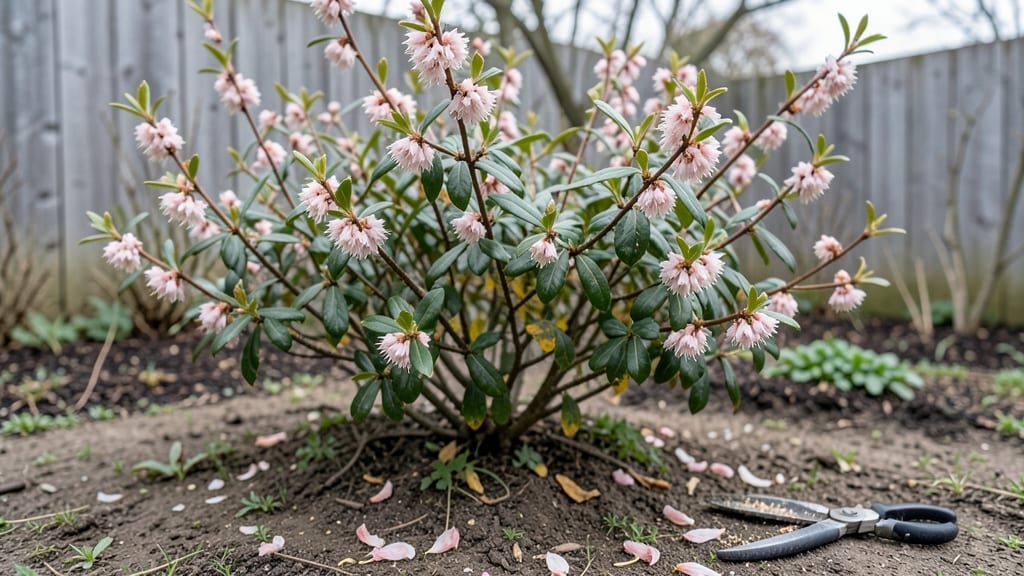
Pruning daphne shrubs transforms those leggy, overgrown bushes into fragrant, bushy powerhouses—if you do it right. I’ve spent years watching daphnes go from sparse blooms to lush, perfume-filled hedges after just one proper trim, and the secret isn’t complicated.
The key is timing, sharp tools, and a light touch—no dramatic cuts needed.
Most gardeners mess this up by pruning at the wrong time or hacking too aggressively. Spring-flowering daphnes (like Daphne odora) bloom on last year’s growth, so you prune right after flowering, while summer varieties (like Daphne cneorum) can handle a light trim in early spring.
Grab bypass pruners, rubbing alcohol for sterilizing cuts, and a pair of gloves—daphne leaves can irritate skin.
You’ll end up with a shrub that bursts with scented blooms year after year, not the sad, bare stems you’ve been dealing with. The trick is shaping gently: remove dead wood first, then trim back overlong branches by about a third to encourage bushier growth.
Afterward, give it a drink and watch it bounce back in weeks.
This method works for both formal hedges and loose, cottage-garden styles. The only real mistake is waiting too long—daphnes reward quick action. Let’s get those shrubs looking like the fragrant stars of your garden again.
📚 In This Guide
- What you need
- Instructions
- Tips and common mistakes
- Wrapping up and next steps
What you need
- ● Pruning shears – Bypass pruners (sharp, clean, and 10-12 inch blades) for clean cuts on small stems.
- ● Loppers – For thicker stems (½ inch or larger), with long handles (24-30 inches) for leverage.
- ● Gloves – Heavy-duty, chemical-resistant gloves (Daphne can be toxic if sap touches skin!).
- ● Disposable pruning bags – 10-20 gallon capacity to collect clippings (Daphne debris can be messy!).
- ● Rubbing alcohol (70% or higher) – For sterilizing tools between cuts to prevent disease spread.
- ● Hose or bucket of water – To rinse tools and clean sap residue.
- ● Safety goggles – Protects eyes from stray sap or debris.
- ● Ladder or step stool – For tall Daphne varieties (3-6 feet).
- ● Sharpie or label markers – To mark stems you plan to prune later.
- ● Compost bin or trash bin – Daphne clippings should not be composted (toxic to other plants).
- ● Hand sanitizer – Extra precaution after handling Daphne sap.
Instructions for pruning daphne shrubs
Here's the straightforward approach I've used to keep my daphne blooming reliably for over a decade.
Time Your Pruning for Optimal Bloom
Daphne shrubs bloom on last year's growth, so timing matters. Prune immediately after flowering—usually in late spring—when spent blooms begin to fade but before new buds form. This ensures you never cut off next year's flowers. If you miss this window, wait until early summer at the latest, but avoid pruning in fall or winter when the plant is dormant.
Here's the thing—daphne blooms are delicate and heavy. If you see branches bending under the weight of flowers, that's your cue to prune sooner rather than later. I always check my shrubs in May and adjust based on bloom progression. Never prune when buds are still tight; you'll sacrifice the following year's display.
Assess and Remove Dead or Weak Growth
Start by examining the shrub for dead, diseased, or crossing branches. Dead wood appears brittle and snaps easily when bent, while diseased branches may show dark spots or fungal growth. Remove these first using clean, sharp pruning shears—never tear branches, as this damages the plant. Cut back to a healthy bud or lateral branch to encourage new growth.
Next, look for branches that rub against each other or grow inward. These create wounds and block airflow, which invites pests and disease. Thin these out completely, cutting all the way back to the main stem or a strong outward-facing bud. Daphne shrubs respond well to thinning, so don't hesitate to be aggressive with crossing branches. You'll see a noticeable improvement in air circulation and future bloom density.
Shape the Shrub for Balance and Airflow
Step back and visualize the shrub's natural shape. Daphne grows in a mounded, rounded form, so aim to maintain that silhouette. Start by removing any overly long or leggy branches that disrupt the balance. Cut just above a leaf bud or side shoot that faces outward—this encourages bushier growth and prevents a lopsided appearance.
For larger shrubs, focus on opening up the center to improve airflow. Daphne can suffer from fungal issues if the interior stays too dense. Remove up to one-third of the oldest wood if the shrub looks overgrown, but never take more than 25% of the total foliage in a single pruning session. You'll know you've done enough when sunlight reaches the center and new growth appears evenly distributed.
Clean Up and Encourage Future Blooms
After pruning, sterilize your shears with rubbing alcohol to prevent spreading disease. Remove all fallen debris from the base of the shrub, as damp leaves and twigs can harbor pests. Apply a balanced, slow-release fertilizer (10-10-10) around the root zone to replenish nutrients lost during pruning. Water deeply but avoid soaking the foliage, as daphne prefers slightly drier conditions.
Watch for new growth in 4-6 weeks—this is your sign the pruning was successful. If you notice any yellowing leaves or stunted shoots, reduce watering slightly, as overwatering can stress the plant after pruning. Daphne blooms on mature wood, so avoid heavy pruning in subsequent years unless absolutely necessary. A little maintenance now means fragrant blooms for years to come.
Tips & tricks for perfect daphne shrub pruning
Here's what nobody tells you about keeping your daphne thriving through every season—these are the lessons I learned after years of trial and error with my own garden.
Timing is Everything: The late spring window for pruning—right after blooms fade but before new buds form—is your golden hour. I've missed this window twice and ended up with sparse blooms the following year. Mark your calendar for May, and if you see branches sagging under flower weight, that's your cue to act sooner rather than later. The plant's natural growth cycle is delicate; cutting at the wrong time can mean no flowers next season.
Pruning Technique Matters: When removing branches in Step 2, make your cuts at a 45-degree angle just above a healthy outward-facing bud. This angled cut prevents water from pooling on the wound, which reduces the risk of disease. I learned this the hard way after seeing fungal spots develop on branches I'd cut straight across. Also, never remove more than 25% of the foliage in one session—this keeps the plant from going into shock and encourages robust regrowth.
Equipment Preparation: Clean, sharp pruning shears are non-negotiable. I sterilize mine with rubbing alcohol between every plant to prevent spreading disease. For larger branches, use loppers to avoid damaging the main stem. After pruning, I always wipe down my tools with a damp cloth to remove any plant residue that could harbor pathogens. This simple step has kept my daphne healthy for years.
Post-Pruning Care: The 4-6 week window for new growth is critical—don't rush the recovery process. I've seen gardeners overwater after pruning, thinking the plant needs extra hydration, but daphne prefers slightly drier conditions. Instead, focus on deep watering once a week and monitor for yellowing leaves, which is often a sign of overwatering. A balanced 10-10-10 fertilizer applied around the root zone gives the plant the nutrients it needs to bounce back strong.
Pro Tips for Pruning Daphne Shrub
- Here's what nobody tells you about keeping your daphne thriving through every season—these are the lessons I learned after years of trial and error with my own garden.
- Timing is Everything: The late spring window for pruning—right after blooms fade but before new buds form—is your golden hour.
- Pruning Technique Matters: When removing branches in Step 2, make your cuts at a 45-degree angle just above a healthy outward-facing bud.
Frequently asked questions
Got questions about pruning your daphne shrubs? You’re not alone! Here are answers to the most common concerns—so you can keep those fragrant blooms thriving year after year.
When is the best time to prune a daphne shrub?
Prune your daphne right after flowering (late spring to early summer) to avoid cutting off next year’s buds. Avoid heavy pruning in fall or winter, as daphne blooms on old wood—new growth won’t produce flowers until the following season. A light trim in late winter (if needed) is fine, but keep it minimal.
What if I prune my daphne at the wrong time?
Pruning too late (after mid-summer) risks removing flower buds for next year. If you’ve already pruned incorrectly, don’t panic! Focus on light shaping in future years and fertilize well to encourage new growth. Daphne is forgiving—it’ll bounce back, but blooms may be sparser for a season.
How much can I cut back without harming the shrub?
Never remove more than 1/3 of the plant’s height or width in a single pruning. Daphne shrubs respond best to gradual shaping. For overgrown bushes, spread cuts over 2–3 years. Use sharp, clean shears to avoid tearing branches—this helps the plant heal faster and reduces disease risk.
Can I prune a daphne shrub to encourage more flowers?
Yes! To boost blooms, prune lightly but strategically:
- Remove dead, crossing, or weak branches first.
- Thin out overcrowded centers to improve airflow.
- Avoid “heading back” (cutting into old wood)—this reduces flowering.
Should I prune my daphne after a harsh winter or storm?
Wait until spring to assess damage—pruning frozen or broken branches too early can stress the plant. Cut back only dead wood (black, mushy, or brittle stems) with sterilized shears. If the shrub looks healthy but leggy, a light pruning in early summer will help it recover without sacrificing next year’s flowers.
Wrapping up and next steps
Pruning your daphne shrub doesn’t have to be intimidating—just a few well-timed cuts can transform it into a fragrant, flourishing beauty year after year! 🌿 By following these four simple steps, you’ll encourage healthier growth, vibrant blooms, and a tidier landscape.
Whether you’re a seasoned gardener or just starting out, your daphne will thank you with show-stopping spring fragrance.
Ready to take the next step? Grab your pruners, mark your calendar, and give your daphne the care it deserves—your garden (and nose!) will love you for it. 🌸