
Pruning
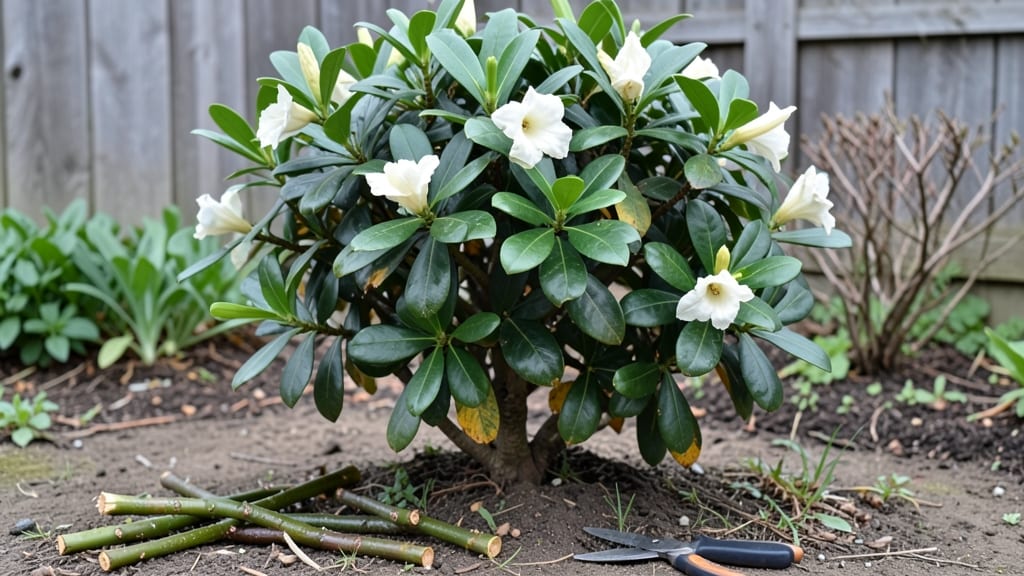
Pruning gardenia shrubs transforms them from sparse, leggy bushes into fragrant, bloom-covered powerhouses—if you do it right. 🌿 I’ve watched my gardenias go from struggling to producing football-sized clusters of flowers by following just three key steps, and the secret isn’t complicated: timing, technique, and a little patience.
The best time to prune is right after flowering, usually in late spring or early summer, when you can see where last year’s blooms were. You’ll need sharp pruners, rubbing alcohol for sterilizing cuts, and a clear day to avoid spreading disease.
The goal is to shape the shrub while encouraging new growth where the flowers will form next season.
Start by removing any dead, crossing, or overcrowded branches first—these steal energy from the rest of the plant. Then, cut back the remaining stems by about one-third to open up the center and improve airflow.
What you’ll end up with is a fuller, healthier shrub that blooms nonstop from summer through fall, with fewer gaps and more fragrance.
For gardeners in warmer climates, light pruning can happen year-round to maintain shape, but avoid heavy cuts in winter when the plant is dormant. The key is to never prune more than one-third of the shrub at once—this keeps it from getting stressed.
With these steps, your gardenias will reward you with glossy leaves and endless blooms for years.
📚 In This Guide
- What you need
- Instructions
- Tips and common mistakes
- Wrapping up and next steps
What you need
- ● Bypass pruners (sharp, clean, 10-12 inch handles) – 1 pair (for small branches).
- ● Loppers (long-handled, 16-24 inch) – 1 pair (for thicker stems).
- ● Hand saw (pruning saw, 8-10 inch blade) – 1 (for stubborn, woody branches).
- ● Disinfectant (rubbing alcohol or 10% bleach solution) – small bottle (to sterilize tools).
- ● Garden gloves (cut-resistant, medium-thick) – 1 pair (protects from thorns and sap).
- ● Trash bags or bucket – 1-2 (for clippings/debris).
- ● Hose with nozzle – To rinse tools and clean sap off cuts.
- ○ Pruning sealant (optional for large cuts) – small tube (speeds healing).
- ● Ladder or stool – If shrubs are 6+ feet tall.
- ● Notebook/pencil – To sketch pruning plans (for beginners!).
- ● Check the weather forecast—prune on a cloudy day or early morning to avoid stressing the plant.
- ● Gather safety gear if needed (sunscreen, sunglasses, long sleeves).
- ● Review your gardenia’s growth habits (e.g., is it leggy, overgrown, or blooming season?).
Step-by-step guide to pruning gardenia shrubs for continuous blooms
Here’s how to revive your gardenia’s flowering potential—without sacrificing its natural shape or health.
✂️ Step 1: Time Your Pruning for Peak Health and Blooms
Gardenias bloom on new wood, so the best time to prune is right after flowering—typically late spring or early summer. This ensures you’re not cutting back potential next-season blooms. If your gardenia blooms sporadically, prune lightly in late winter to encourage fresh growth before the growing season kicks in.
Never prune in fall or winter—this removes next year’s flower buds before they form. Instead, focus on removing dead or crossing branches at any time to improve airflow and prevent disease. I always wait until after the last frost in my zone to avoid stressing the plant with cold snaps.
✂️ Step 2: Cut Strategically to Encourage Full, Bushy Growth
Start by removing 1/3 of the oldest wood—these are the branches that no longer produce vibrant blooms. Use clean, sharp pruning shears to make 45-degree cuts just above a leaf node or outward-facing bud. This angle helps water run off and prevents rot. Avoid cutting into the woody stem—focus on green, flexible growth for best results.
Next, thin out crowded branches to improve airflow. Gardenias hate humidity trapped in dense foliage, which leads to fungal issues like powdery mildew. Aim for an open, vase-like shape—this lets sunlight reach the center, where new blooms form. If you see long, leggy stems, cut them back by half to encourage bushier growth.
✂️ Step 3: Shape and Maintain for Year-Round Blooms
After pruning, step back and assess the shape. Gardenias respond well to light shaping, so avoid heavy shearing. If the plant looks top-heavy, prune lower branches slightly more to balance it. I like to trim just above a set of leaves to encourage new shoots from that node—this keeps the shrub dense and flowering.
Finish by sanitizing your tools with rubbing alcohol to prevent disease spread. Water the gardenia deeply after pruning to help it recover, but avoid overwatering—soggy soil stresses newly pruned plants. Fertilize with acid-loving plant food (like a citrus blend) 4-6 weeks after pruning to support new growth.
Here’s the thing—pruning gardenias isn’t about drastic changes. It’s about gentle encouragement. With this method, you’ll see fresh, fragrant blooms in 6-8 weeks, and your shrub will stay healthy for years.
Tips & tricks for perfect gardenia pruning
Here's what nobody tells you about pruning gardenias—and how to avoid the mistakes that ruin your blooms.
The Timing Secret: Late spring or early summer is your golden window for pruning, but if your gardenia blooms sporadically, a light trim in late winter can work wonders. I learned this the hard way after pruning in fall and watching my plant struggle to recover. The key is understanding gardenias bloom on new wood—so you're never cutting off potential blooms when done right. Mark your calendar for the week after your gardenia finishes flowering to maximize next season's blooms.
Cutting Technique That Changed Everything: Those 45-degree cuts in Step 2 aren't just for show—they're essential for preventing water from pooling at the cut site, which can lead to rot. I always make my cuts just above a leaf node or outward-facing bud to encourage new growth in the right direction. For stubborn branches, use a small saw for clean cuts without tearing the bark. And remember: you're aiming for an open vase shape, not a dense hedge—this improves airflow and prevents fungal diseases like powdery mildew that can devastate your plant.
Post-Pruning Recovery: After you've finished shaping, the 4-6 week fertilization window is critical for supporting new growth. I always use an acid-loving citrus blend fertilizer because gardenias thrive in acidic soil. The deep watering after pruning helps the plant recover, but be careful not to overdo it—soggy soil stresses newly pruned plants more than dry conditions. Think of it as giving your gardenia a refreshing drink after a workout, not drowning it.
Tool Maintenance: Sanitizing your pruning shears with rubbing alcohol between cuts prevents disease spread, but I've found that regularly sharpening your tools makes all the difference. Dull blades tear plant tissue, inviting infections. Keep a small file in your gardening kit and sharpen blades before each pruning session. A well-maintained tool also gives you cleaner cuts, which heal faster and look more professional—your gardenia will thank you with healthier growth.
Pro Tips for Pruning Gardenia Shrubs
- Here's what nobody tells you about pruning gardenias—and how to avoid the mistakes that ruin your blooms.
- The Timing Secret: Late spring or early summer is your golden window for pruning, but if your gardenia blooms sporadically, a light trim in late winter can work wonders.
- Cutting Technique That Changed Everything: Those 45-degree cuts in Step 2 aren't just for show—they're essential for preventing water from pooling at the cut site, which can lead to rot.
Frequently asked questions
Got questions about pruning gardenia shrubs?
You’re not alone! Here are answers to the most common concerns—from timing to troubleshooting—so you can keep your gardenias thriving with confidence.
When is the best time to prune gardenia shrubs?
Prune gardenias after they bloom (late spring to early summer) to encourage new growth and next year’s flowers. Light shaping can happen in early spring, but avoid heavy cuts then—it may stress the plant. For tropical climates, prune in late winter or early spring before new growth starts.
How much can I trim back a gardenia shrub?
Never remove more than 1/3 of the plant’s total foliage in one session. Gardenias respond best to gradual shaping. Focus on dead, damaged, or overcrowded branches first. For overgrown shrubs, spread trimming over 2–3 years to avoid shock.
Why aren’t my gardenias blooming after pruning?
Bloom loss often happens if you prune too late (after buds form) or cut back old wood (where flowers develop). Prune after blooming, and avoid heavy cuts in late summer/fall. Fertilize with acidic, phosphorus-rich food in early spring to support flowering.
What should I do if my gardenia looks sad after pruning?
Yellow leaves or wilting? You might’ve over-pruned or stressed the plant. Water deeply, keep it in partial shade, and avoid fertilizing for 4–6 weeks. If pests (like spider mites) appear, treat with neem oil or insecticidal soap. Gardenias are tough—they’ll bounce back!
Can I prune gardenias in winter?
In cold climates, prune gardenias lightly in late winter (before buds swell) to remove dead wood. In mild/warm climates, winter pruning is fine, but avoid heavy cuts—new growth may not harden off before cooler weather. Always use sterilized tools to prevent disease.
Wrapping up and next steps
Pruning your gardenia shrubs doesn’t have to be intimidating—with the right timing, tools, and techniques, you’ll unlock lush, fragrant blooms year-round. 🌸 Remember to prioritize clean cuts, seasonal care, and patience as your shrubs reward you with vibrant growth.
Now that you’re equipped with expert tips, grab those shears and give your gardenias the TLC they deserve!
💡 Next step: Schedule your first pruning session—whether it’s a light trim in late winter or a post-bloom refresh in summer—and watch your gardenia thrive! For extra inspiration, snap a photo of your pruned shrub and share your progress with fellow gardening enthusiasts. Happy pruning!