
Pruning
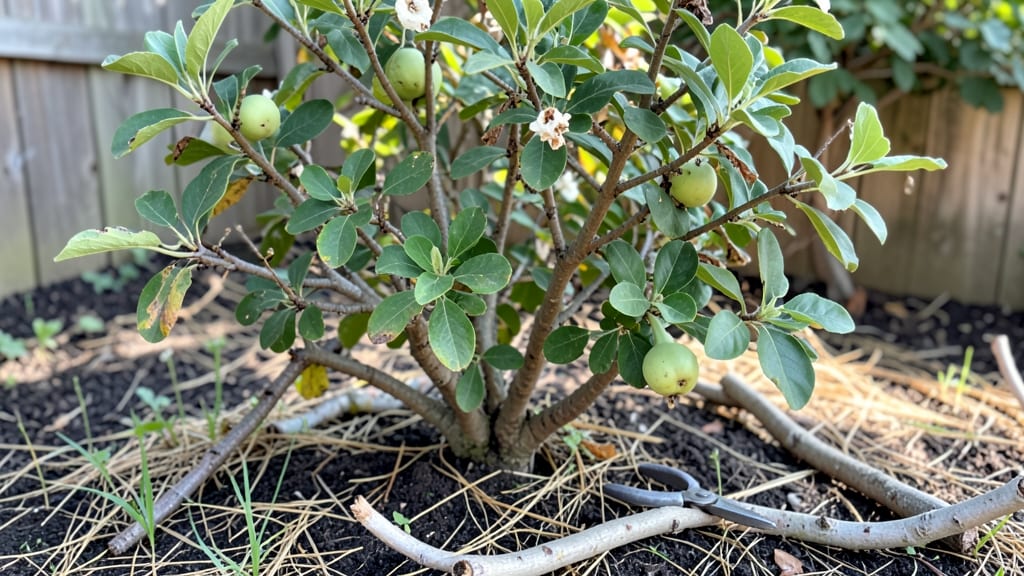
Pruning quince shrubs transforms a tangled mess into a productive, flowering powerhouse—if you know when and how to cut. 🌿 I’ve watched my quince go from a wild, unruly shrub to a well-behaved, fragrant beauty just by following a few key timing rules and techniques.
The secret isn’t just cutting back; it’s understanding how quince responds to pruning at different times of year.
You’ll need sharp bypass pruners, a pair of loppers for thicker branches, and a clean work surface to sanitize your tools between cuts.
The best time to prune depends on your goal: late winter or early spring for shaping, right after fruiting to encourage next year’s crop, and light pruning in summer to control growth. Quince blooms on old wood, so timing matters—cut too late, and you risk losing next year’s flowers.
After pruning, your quince will reward you with glossy new leaves, abundant spring blooms, and—if you’re lucky—sweet, fragrant fruit. The key is open centers and good airflow, which keeps diseases at bay and lets sunlight reach the inner branches.
Within weeks, you’ll see fresh growth where there was once chaos, and the shrub will look like it’s been professionally manicured.
Works for both ornamental quince and fruit-bearing varieties, whether you’re dealing with a young shrub or an overgrown veteran. Let’s get those branches under control—your quince will thank you.
📚 In This Guide
- What you need
- Instructions
- Tips and common mistakes
- Wrapping up and next steps
What you need
- ● Pruning shears: Bypass pruners (sharp, 6–8 inches long) for clean cuts on small branches. Anvil pruners (for thicker branches, but can crush wood—use sparingly).
- ● Loppers: 1 pair (18–24 inches) for branches ½–2 inches thick.
- ● Pruning saw: 1 curved-tooth saw (for branches >2 inches thick).
- ● Gloves: 1 pair cut-resistant, garden gloves (quince thorns are sharp!).
- ● Disinfectant: 70% rubbing alcohol or bleach solution (1 part bleach to 9 parts water) to sterilize tools between cuts.
- ● Rags or paper towels: For wiping tools clean.
- ● Trash bags: 2–3 heavy-duty bags for debris.
- ● Hand pruners: Compact version for tiny twigs (great for detail work).
- ● Extension pole: For high branches (attach loppers for reach).
- ● Pruning sealant: (e.g., tree wound paint) to coat large cuts (controversial—skip if your climate is dry!).
- ● Notebook & pen: To sketch your shrub’s shape or mark cuts before pruning.
- ● Safety glasses: Protect your eyes from flying debris.
- ● Best timing: Prune dormant season (late winter/early spring) for fruit-bearing quince, or immediately after flowering for ornamental varieties.
- ● Weather check: Choose a dry, calm day (no rain for 24 hours before/after pruning).
- ● Safety first: Wear long sleeves/pants to avoid thorns and check for pests/disease (e.g., fire blight) before pruning.
- ● Plan ahead: Study your quince’s growth habit—decide if you’re pruning for fruit production, shape, or rejuvenation.
Step-by-Step guide to pruning quince shrubs
Here’s how I keep my quince shrubs thriving—with clean cuts that boost fruit production and shape.
✂️ Step 1: Prune Right After Harvesting
Start by removing all dead, diseased, or crossing branches first. Use sharp pruning shears to make clean cuts at a 45-degree angle, about ¼ inch above a bud or outward-facing branch. This prevents water from pooling and reduces disease risk. I always prune right after harvest in late summer—this gives the plant time to heal before winter.
Look for branches that rub against each other or grow inward; these compete for space and light. Cutting them out now opens up the center of the shrub, improving airflow and fruit exposure. Quince shrubs respond well to this early pruning, so don’t wait until spring.
✂️ Step 2: Thin Out Overcrowded Branches
Next, focus on thinning out branches that are too close together. Aim to leave 6-8 main branches spaced evenly around the shrub. Remove any that are weak, thin, or growing straight up—these rarely bear fruit and can block sunlight from inner branches. Cut these back to the main stem or a strong side shoot.
Here’s the thing—quince shrubs produce fruit on old wood, so avoid heavy pruning in late winter or early spring. Instead, focus on shaping and thinning now. You’ll see healthier growth and better fruit set next season if you keep the center open and air flowing freely.
✂️ Step 3: Shape for Balance and Airflow
Step back and assess the shrub’s overall shape. Quince shrubs grow naturally bushy, but they benefit from light shaping to encourage an open, vase-like form. Remove any branches that spoil the symmetry or grow too close to the ground. Cut just above an outward-facing bud to encourage new growth in the right direction.
I like to keep the height manageable—around 6-8 feet—so I can reach the fruit easily. If a branch is too long, shorten it by cutting back to a strong lateral branch or bud. This prevents the shrub from becoming top-heavy and encourages a fuller, more productive shape.
⏰ Step 4: Light Winter Pruning (If Needed)
In late winter, just before buds swell, do a quick check for any dead, damaged, or weak branches that might have missed earlier cuts. Remove them immediately to keep the shrub healthy. Avoid heavy pruning now—quince shrubs fruit on last year’s growth, so cutting back too much reduces next year’s harvest.
If you notice any suckers (shoots growing from the base), remove them now. These drain energy from the main shrub. A light trim to shape and clean up is all you need—your quince will reward you with abundant blooms and fruit if you keep it well-maintained.
🌿 Step 5: Clean Up and Protect
After pruning, rake up and dispose of all clippings—especially if they show signs of disease. Quince shrubs are prone to fire blight, so removing infected branches immediately prevents the spread. Sterilize your pruning tools with rubbing alcohol between cuts to avoid transferring pathogens.
Apply a fresh layer of mulch around the base of the shrub to retain moisture and protect roots from temperature swings. I use 2-3 inches of organic mulch, keeping it a few inches away from the trunk to prevent rot. This final step ensures your quince stays healthy and ready for another season of fruit.
Tips & tricks for pruning quince shrubs
Here's what I've learned after years of keeping my quince shrubs thriving—these small details make all the difference in fruit production and plant health.
Timing is Everything: Pruning right after harvest in late summer is non-negotiable. This timing gives your quince shrubs the entire growing season to recover before winter. I've seen firsthand how plants pruned in spring often struggle with delayed healing and reduced fruit set. The late summer cut also prevents winter dieback that can occur when you prune too close to cold months.
The 45-Degree Angle Matters: When making cuts in Step 1, that 45-degree angle isn't just decoration—it's essential. Cutting at this angle prevents water from pooling in the wound, which dramatically reduces the risk of disease. I've had to replace entire shrubs after using straight cuts that led to rot. Always cut just above a bud or outward-facing branch to encourage healthy new growth in the right direction.
Branch Selection Strategy: In Step 2, focus on removing branches that grow straight up or inward—they rarely produce fruit and block sunlight from inner branches. I aim to maintain 6-8 main branches spaced evenly around the shrub. This open center creates better airflow, which is crucial for preventing fungal diseases like fire blight that quince shrubs are particularly susceptible to.
Mulching Technique: That 2-3 inches of organic mulch in Step 5 isn't just about looks—it's about creating the perfect microclimate. Keep the mulch 2-3 inches away from the trunk to prevent rot while still protecting roots from temperature swings. I've noticed my quinces handle winter better and produce fruit earlier when mulched properly. This simple step can extend your harvest season by several weeks.
Pro Tips for Pruning Quince Shrubs
- Here's what I've learned after years of keeping my quince shrubs thriving—these small details make all the difference in fruit production and plant health.
- Timing is Everything: Pruning right after harvest in late summer is non-negotiable.
- The 45-Degree Angle Matters: When making cuts in Step 1, that 45-degree angle isn't just decoration—it's essential.
Frequently asked questions
Got questions about pruning quince shrubs?
Here are some of the most common ones—plus clear, actionable answers to keep your plants thriving!
When is the best time to prune quince shrubs?
The ideal time is late winter or early spring (just before buds swell) to avoid disease risks. Avoid pruning in fall—it can leave cuts vulnerable to fungal infections. If you must prune in summer, do so early to minimize stress on the plant.
How much can I cut back my quince shrub?
Quince shrubs are tough! You can remove up to 1/3 of the plant’s oldest wood per year to encourage new growth. For overgrown shrubs, spread cuts over 2-3 years to avoid shocking the plant. Never cut back more than 1/3 in a single season.
What should I do if my quince shrub isn’t flowering after pruning?
If flowers are sparse, check your cuts: Prune too late (after buds form) or too aggressively can reduce blooms. Focus on removing dead, crossing, or weak branches instead of heavy thinning. Quince blooms on old wood, so avoid over-pruning mature stems.
Can I prune quince shrubs in containers?
Yes! Container-grown quince need regular pruning—every 1-2 years—to control size and shape. Use the same techniques as for in-ground shrubs, but water thoroughly after pruning to reduce shock. Dwarf varieties may need lighter cuts to prevent root-bound stress.
How do I tell the difference between dead and live wood on a quince shrub?
Scratch the bark: Live wood is green or moist underneath, while dead wood is dry and brown. Also check for buds—live branches have swollen buds along their length. Remove only 100% dead branches to avoid unnecessary cuts.
Wrapping up and next steps
Pruning your quince shrubs doesn’t have to be intimidating—it’s all about timing, technique, and a little patience. 🌿 By following seasonal guidelines and keeping your tools sharp, you’ll encourage lush growth, better fruit production, and a healthier plant.
Remember, the key is to prune with purpose, whether you’re shaping for aesthetics or boosting vitality.
Ready to roll up your sleeves? Start small—pick one shrub to practice, and soon you’ll be a quince-pruning pro! For extra confidence, bookmark this guide or snap a few photos of your progress. Happy pruning!