
Shrubs
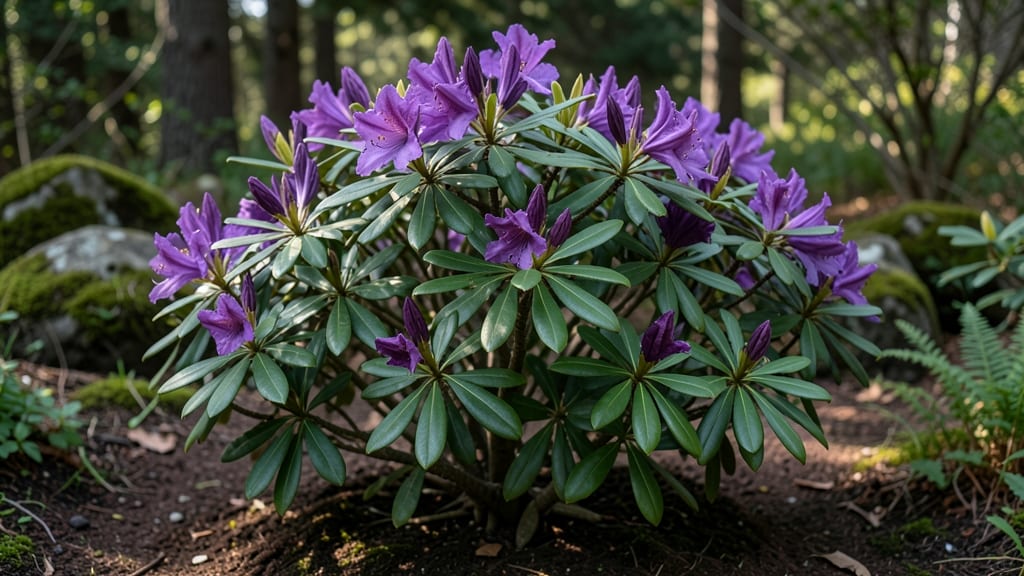
Nothing beats the sight of a purple azalea shrub bursting with color in early spring—cold-hardy varieties like 'George Taber' or 'Homebush' bring drama to gardens where tender azaleas fail. 🌸 I’ve grown these tough beauties through three winters, and their fragrant blooms always steal the show when neighbors’ plants wilt in the cold.
These shrubs thrive in partial shade with acidic, well-draining soil—think pine mulch and leaf litter. Plant them in fall or early spring, water deeply after, and watch them establish roots that handle frost like champs.
The key is mimicking their natural woodland habitat: moist but not soggy, and sheltered from harsh winds. By summer, you’ll have a lush canopy of deep purple blooms that last weeks, followed by glossy foliage that stays vibrant until fall.
Prune right after flowering to shape them without sacrificing next year’s blossoms. Just avoid heavy cuts—these shrubs reward patience with decades of color. Perfect for foundation plantings, hedges, or woodland gardens. Here’s how to keep yours thriving through every season—no fuss, just fragrant beauty.
📚 In This Guide
- What you need
- Instructions
- Tips and common mistakes
- Wrapping up and next steps
What you need
- ● Purple azalea plants: 1–3 cold-hardy varieties (e.g., 'Girard’s' or 'Hershey Red'). Choose 1–2 gallon containers for mature plants or bare-root for budget-friendly options.
- ● Well-draining soil: 5–10 bags (50 lbs each) of acidic potting mix (pH 4.5–6.0) or peat moss/perlite blend for amending garden beds.
- ● Organic mulch: 2–3 cubic feet of pine bark fines or pine straw to retain moisture and acidity.
- ● Slow-release fertilizer: 1 lb of azalea-specific 10-10-10 or 8-3-9 blend (low phosphorus for acid-loving plants).
- ● Garden tools: Trowel or hand shovel
- ● Pruning shears (sterilized with rubbing alcohol)
- ○ Garden gloves (optional but recommended)
- ● Watering can or hose with nozzle: 2–3 gallons capacity for deep watering.
- ● Soil pH test kit: To confirm acidity levels before planting.
- ● Epsom salt: 1 lb for magnesium boost (mix 1 tbsp per gallon of water monthly during blooming season).
- ● Drip irrigation system: For automated watering in hot climates.
- ● Frost cloth: If planting in late spring (zones 6–7).
- ● Composted oak leaves: 1 bag for extra organic matter.
Step-by-Step instructions for planting and caring for purple azaleas
Here's the foolproof method I use to grow vibrant, fragrant purple azaleas that thrive in cooler climates.
🌱 Step 1: Choose the Right Location and Soil
Purple azaleas need partial shade—think morning sun and afternoon shade—to prevent leaf scorch. I plant mine where they get 3-6 hours of direct sun daily, typically along the north or east side of the house. These shrubs hate soggy roots, so pick a spot with well-draining soil and good air circulation to prevent fungal diseases.
Before planting, amend the soil with 2-3 inches of organic matter like compost or peat moss. Purple azaleas prefer acidic soil (pH 4.5-6.0). Test your soil first—if it's alkaline, mix in sulfur or pine needles to lower the pH. The goal is loose, airy soil that holds moisture but drains quickly.
🪴 Step 2: Plant at the Correct Depth and Spacing
Dig a hole twice as wide as the root ball but only as deep as the container it came in. Purple azaleas grow 3-6 feet tall and wide, so space them 4-6 feet apart for a full, fragrant hedge. Gently remove the plant from its container and loosen any circling roots with your fingers—this encourages outward growth.
Place the shrub in the hole so the top of the root ball sits 1-2 inches above ground level. This prevents water from pooling around the stem, which causes rot. Backfill with native soil mixed with compost, pressing lightly to eliminate air pockets. Water deeply right after planting to settle the soil and remove any air gaps.
☀️ Step 3: Water and Mulch for Moisture Retention
Keep the soil consistently moist (but not soggy) for the first year after planting. Water deeply 2-3 times per week during dry spells, aiming for 1-1.5 inches of water each time. You'll know you're doing it right when water drains through the soil within 30-60 minutes. Purple azaleas are drought-tolerant once established, but young plants need steady moisture.
Apply 2-3 inches of mulch (pine straw or bark chips) around the base, keeping it 3 inches away from the trunk to prevent rot. Mulch helps retain moisture, regulate soil temperature, and keep weeds at bay. Replenish mulch annually in late winter to protect roots from freezing temperatures.
✂️ Step 4: Prune for Shape and Bloom
Prune your purple azalea right after flowering (late spring to early summer) to shape the shrub and encourage next year's blooms. Remove dead, diseased, or crossing branches first, cutting back to the nearest healthy bud. For shaping, trim no more than 1/3 of the plant at a time—aggressive pruning reduces flowering.
Use clean, sharp pruners to make cuts at a 45-degree angle just above a leaf node. Avoid "heading back" (cutting into old wood) unless you're rejuvenating an overgrown shrub. Purple azaleas bloom on new wood, so light pruning keeps them bushy and full. Fertilize lightly with an acid-loving plant fertilizer in early spring to support vigorous growth.
⏰ Step 5: Winterize for Cold-Hardy Growth
Most purple azalea varieties are cold-hardy to USDA zones 4-7, but young plants need extra protection. In late fall, apply a 4-6 inch layer of mulch around the base to insulate roots. Water deeply before the first hard freeze to ensure the plant has enough moisture for dormancy.
If you're in zone 4 or colder, wrap the shrub with burlap or frost cloth during extreme cold snaps (below 10°F). Focus on protecting the top half of the plant, as roots are naturally insulated by the soil. Resume regular watering in early spring once new growth appears—this signals the plant is breaking dormancy.
Tips & tricks for perfect purple azalea shrubs
These little-known tricks will help your purple azaleas thrive with minimal effort—and maximum fragrance.
Sunlight Strategy: The 3-6 hours of direct sun mentioned in Step 1 should be spread throughout the day, not all at once. Morning sun is gentler, while afternoon shade protects from intense midday rays. If your yard gets harsh afternoon sun, consider planting near a north-facing wall or using a sheer curtain for afternoon shade during peak summer months.
Soil Prep Secret: For the 2-3 inches of organic matter in Step 1, I recommend using a mix of compost and peat moss (about 50/50). This combination improves drainage while maintaining moisture retention—critical for preventing both drought stress and root rot. If your soil is particularly heavy clay, add perlite to create air pockets that help roots breathe.
Pruning Precision: When shaping in Step 4, focus on creating an open center that allows air circulation. This prevents fungal diseases while encouraging more blooms on the outer branches. I like to step back every few cuts to visualize the shape—think of it like sculpting a living work of art. And remember, those 45-degree cuts aren't just for looks; they direct water away from the cut surface, preventing rot.
Winter Protection: For the cold-hardy varieties in Step 5, the 4-6 inch mulch layer is non-negotiable. But here's the extra tip: add a layer of evergreen boughs (like pine) over the mulch for additional insulation. These boughs create a natural windbreak and help maintain consistent soil temperatures. Just be sure to remove them in early spring before new growth appears.
Pro Tips for Purple Azalea Shrub
- These little-known tricks will help your purple azaleas thrive with minimal effort—and maximum fragrance.
- Sunlight Strategy: The 3-6 hours of direct sun mentioned in Step 1 should be spread throughout the day, not all at on...
- Soil Prep Secret: For the 2-3 inches of organic matter in Step 1, I recommend using a mix of compost and peat moss (a...
Frequently asked questions
Got questions about your purple azalea shrub? You’re not alone!
Here are answers to the most common queries—from planting to pruning—so you can keep your fragrant beauty thriving.
When is the best time to plant a purple azalea shrub?
The ideal time to plant purple azaleas is in early spring or fall, when temperatures are mild (50–70°F). Avoid extreme heat or frost, as these can stress young roots. If planting in summer, water deeply and mulch to retain moisture. Pro tip: Amend the soil with compost for better drainage—azaleas hate soggy feet!
How often should I water my purple azalea?
Water your azalea 1–2 times per week, depending on rainfall and soil type. Aim for 1–1.5 inches of water per week, focusing on the root zone (not the leaves). Let the top inch of soil dry out between waterings, but never let it bone-dry. Mulch (2–3 inches) helps retain moisture and regulate soil temperature.
Why aren’t my purple azalea flowers blooming this year?
Blooming issues often stem from over-fertilizing with high-nitrogen feeds (azaleas need acid-loving, phosphorus-rich fertilizer) or poor sunlight. Ensure your shrub gets morning sun and afternoon shade. Also, check for stress signs like yellow leaves (overwatering) or brown tips (dry air). Prune after blooming to encourage next year’s flowers.
Are purple azaleas cold-hardy, and how do I protect them in winter?
Many purple azaleas (like ‘Girard’s Pink’ or ‘Hershey’s Red’) tolerate USDA Zones 5–9. For colder climates, mulch heavily (4–6 inches) and water before the first freeze to prevent root damage. Avoid pruning in late winter—wait until early spring when new growth appears.
What’s a good alternative if my purple azalea isn’t thriving?
If your azalea struggles with pests, soil pH, or climate, consider these low-maintenance alternatives:
- Rhododendron: Similar care but often hardier (e.g., ‘PJM’ rhododendron).
- Camellia: Evergreen with glossy leaves; loves shade and acidic soil.
- Hydrangea (Oakleaf): Tolerates partial sun and blooms later in the season.
- Pieris japonica: Fragrant white flowers and cold-resistant foliage.
Wrapping up and next steps
Transforming your garden into a fragrant purple paradise is simpler than you think! 🌸 With the right cold-hardy purple azalea varieties, you’ll enjoy vibrant blooms and a sweet, intoxicating scent for years.
Whether you’re a seasoned gardener or just starting, these resilient shrubs are your ticket to effortless beauty—so roll up your sleeves and get planting!
Ready to take the next step? Pick your favorite variety, gather your supplies, and give your garden the wow factor it deserves. Happy growing—your future blooms are waiting! 🌿✨