
Diseases
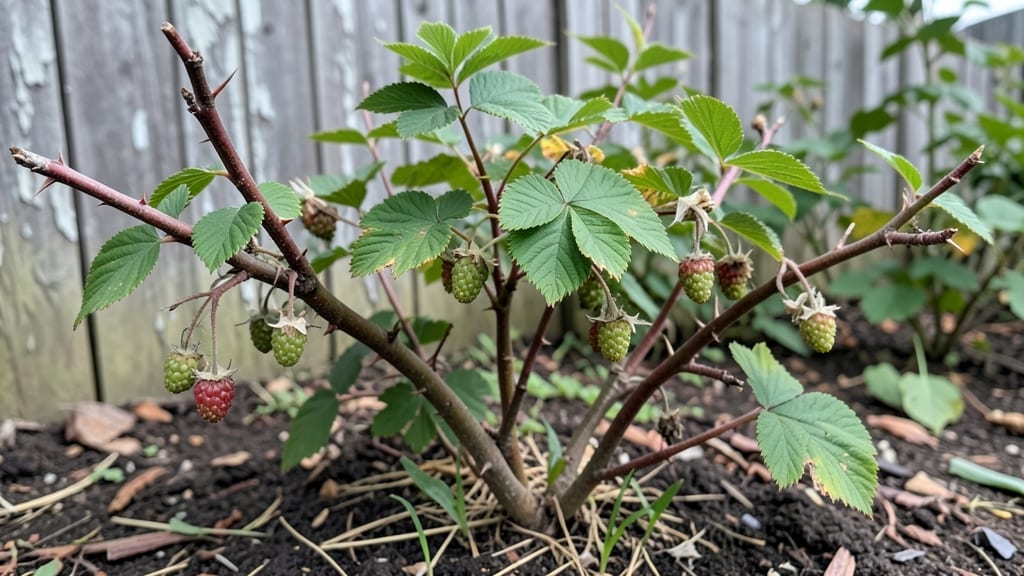
Raspberry leaves turning yellow isn’t just unsightly—it’s your plant’s SOS signal. 🌿 I’ve seen healthy canes go from vibrant green to sad, limp yellow in just days, and the causes range from overwatering to fungal infections.
The good news? Most issues have simple fixes once you know what to look for.
First, check the pattern of yellowing: uniform fading often means nutrient issues (like nitrogen deficiency), while splotchy yellow with brown spots signals disease or pests. Overwatering creates soggy soil and yellow leaves that feel squishy, while underwatering leaves them dry and crispy at the edges.
I’ve ruled out each cause in my own garden by digging into the soil and inspecting leaves up close.
You’ll fix the problem by adjusting watering, adding balanced fertilizer, or treating fungal spots with copper spray. Prune affected leaves immediately to stop the spread, and prevent future issues with proper spacing and airflow. The key is acting fast—my neglected canes recovered completely after just two weeks of targeted care.
When in doubt, snap a photo of the yellowing and compare it to healthy leaves. If the problem persists after trying fixes, a local extension office can help identify stubborn pathogens. Most gardeners see results within days of the right treatment—don’t let yellow leaves become a permanent problem!
Root Causes Behind Yellowing Leaves
Raspberry leaves turning yellow isn’t just a random quirk of nature—it’s often a clear signal that something’s off with your plant’s health.
Whether it’s a hidden pest, a nutrient imbalance, or an environmental stressor, understanding the why behind the yellowing is the first step to restoring your raspberry bushes to their vibrant green glory. Let’s break down the most common culprits and what they mean for your plants.
Yellowing raspberry leaves often point to a nutrient deficiency, particularly when the discoloration starts on older leaves and works its way upward. Raspberries are heavy feeders, and if the soil lacks key nutrients, your plants will show it—fast.
- 📊 Nitrogen Shortage (Most Common) - Symptoms: Pale yellow leaves (chlorosis) on older foliage, stunted growth, or weak stems. - Why it happens: Nitrogen is essential for chlorophyll production.
Without enough, leaves can’t photosynthesize efficiently, leading to yellowing. - Actionable fix: Apply a balanced fertilizer (10-10-10 or higher in nitrogen) or organic amendments like composted manure. For a quick boost, use liquid fish emulsion or blood meal.
- 💡 Iron Deficiency (Yellowing Between Veins) - Symptoms: Bright yellow leaves with green veins (interveinal chlorosis), often in alkaline soils. - Why it happens: Iron is poorly available to plants in high-pH soils.
Even if it’s in the soil, raspberries can’t absorb it. - Actionable fix: Lower soil pH with sulfur or peat moss, or apply chelated iron (like Iron Chelate) directly to the soil or as a foliar spray.
- 🍃 Magnesium or Potassium Deficits - Symptoms: Yellowing with brown edges (potassium) or yellow patches between veins (magnesium). - Why it happens: These minerals are critical for enzyme function and water regulation.
Deficiencies often appear in overwatered or leached soils. - Actionable fix: Add Epsom salt (for magnesium) or potassium sulfate to the soil. For potassium, wood ash can also help.
If yellowing is paired with spots, wilting, or a powdery substance, a fungal infection is likely to blame. Fungi thrive in moist, humid conditions, and raspberries are especially vulnerable to a few key diseases.
- 🍄 Raspberry Leaf Spot (Most Destructive)
- Symptoms: Yellow spots with dark red or purple borders, often leading to leaf drop.
- Why it happens: Caused by Didymella applanata, this fungus spreads via splashing water (rain or overhead irrigation) and thrives in warm, wet weather.
- Actionable fix:
- Prune infected leaves immediately and disinfect pruners with rubbing alcohol.
- Apply fungicides (copper-based or neem oil) preventively in spring and after heavy rains.
- Improve airflow by spacing plants properly and avoiding overhead watering.
- 🍅 Powdery Mildew (White Fuzzy Coating)
- Symptoms: Yellowing leaves with a white, powdery film, often on the undersides.
- Why it happens: Caused by Sphaerotheca macularis, this fungus loves shady, humid conditions and weak plants.
- Actionable fix:
- Spray with baking soda solution (1 tsp baking soda + 1 quart water + a drop of dish soap).
- Use reflective mulch to reduce humidity around leaves.
- Avoid nitrogen-heavy fertilizers, which promote soft, susceptible growth.
- 🍓 Verticillium or Fusarium Wilt (Systemic Threat)
- Symptoms: Yellowing and wilting starting at the bottom of the plant, followed by stunted growth and leaf scorch.
- Why it happens: These soil-borne fungi clog the plant’s vascular system, cutting off water and nutrients.
- Actionable fix:
- Remove and destroy infected plants (do not compost).
- Solarize the soil (cover with clear plastic for 4-6 weeks in hot sun) to kill fungal spores.
- Plant resistant varieties if wilt is recurrent in your area.
Pests don’t just eat leaves—they inject toxins, suck sap, or spread disease, all of which can trigger yellowing. Look for holes, webbing, or sticky residue (honeydew) as clues.
- 🐛 Spider Mites (Tiny but Devastating)
- Symptoms: Yellow stippling (tiny yellow dots) on leaves, fine webbing, and leaf drop in dry conditions.
- Why it happens: These microscopic pests pierce cells, draining chlorophyll and causing stress.
- Actionable fix:
- Blast them off with a strong spray of water.
- Use insecticidal soap or neem oil (repeat every 5-7 days).
- Increase humidity (mites hate it) with a misting system or pebble tray.
- 🐞 Aphids (Sap-Sucking Menaces)
- Symptoms: Curling yellow leaves, sticky honeydew, and black sooty mold (a fungal growth fed by honeydew).
- Why it happens: Aphids inject toxins while feeding, stunting growth and causing leaves to yellow.
- Actionable fix:
- Spray with soapy water (1 tsp mild soap per quart of water).
- Introduce ladybugs or lacewings (natural predators).
- Prune heavily infested shoots and dispose of them.
- 🪰 Root-Knot Nematodes (Hidden Underground)
- Symptoms: General yellowing, stunted growth, and roots with knot-like growths.
- Why it happens: These microscopic worms damage roots, reducing water and nutrient uptake.
- Actionable fix:
- Solarize the soil (cover with plastic for 6-8 weeks in summer).
- Plant marigolds (they repel nematodes naturally).
- Use beneficial nematodes (Steinernema or Heterorhabditis) to combat them.
Sometimes, yellowing isn’t about what’s in the soil—it’s about what’s around it. Raspberries are sensitive to extreme conditions, and even minor shifts can trigger stress responses.
- ❄️ Overwatering or Poor Drainage
- Symptoms: Yellowing leaves with brown, mushy roots; wilting despite wet soil.
- Why it happens: Root rot (from Phytophthora or Pythium) cuts off oxygen, suffocating roots.
- Actionable fix:
- Improve drainage with raised beds or sand/perlite amendments.
- Water deeply but less frequently—raspberries hate soggy feet.
- Avoid mulching too thickly near the stem.
- ☀️ Underwatering or Heat Stress - Symptoms: Dry, crispy yellow edges, drooping leaves, or scorched spots. - Why it happens: Raspberries need consistent moisture, especially in hot climates.
Drought stress forces leaves to conserve water by dying back. - Actionable fix: - Mulch with straw or wood chips to retain moisture. - Water deeply 1-2 times per week (1-1.5 inches per session). - Provide afternoon shade in extreme heat (use shade cloth if needed).
- 🌬️ Wind or Physical Damage
- Symptoms: Yellowing along leaf edges, tattered or torn leaves.
- Why it happens: Mechanical stress (wind, hail, or even rough pruning) damages cells, triggering oxidative stress and yellowing.
- Actionable fix:
- Install windbreaks (bamboo fencing or hedges).
- Prune carefully with sharp, clean tools to avoid tearing.
Quick fixes for yellowing raspberry leaves
Yellowing raspberry leaves can be frustrating, but with the right approach, you can revive your plants and prevent future issues. Below are practical, step-by-step solutions tailored to the most common causes—from nutrient deficiencies to fungal diseases—along with prevention tips to keep your raspberry bushes thriving.
If yellowing leaves stem from poor soil health, a targeted nutrient boost can restore vibrancy.
🔥 Step 1: Test Your Soil
Before adding amendments, check your soil’s pH and nutrient levels with a home soil test kit (available at garden centers). Raspberries prefer:
- pH 5.5–6.5 (slightly acidic)
- Balanced NPK (Nitrogen, Phosphorus, Potassium) with micronutrients
Pro Tip: 💡 If your soil is too alkaline (pH >7), mix in sulfur or peat moss to lower pH gradually.
🍳 Step 2: Apply Organic Fertilizers
Yellow leaves often signal nitrogen (N) or magnesium (Mg) deficiency.
Use these fixes: - For nitrogen deficiency (pale yellow leaves): - Spread composted manure (chicken, cow, or worm castings) around the base. - Use a balanced organic fertilizer (5-5-5 or 10-10-10) in early spring. - For magnesium deficiency (yellow patches between veins): - Sprinkle Epsom salt (magnesium sulfate) around the plant (1 tbsp per gallon of water, applied every 2 weeks). - Work aged compost into the soil to replenish magnesium naturally.
👨🍳 Step 3: Improve Soil Drainage
Waterlogged soil leaches nutrients and causes chlorosis (yellowing).
If your soil is compacted: - Aerate the soil by gently loosening it with a fork (avoid damaging roots). - Add organic matter like leaf mold, coconut coir, or well-rotted wood chips to improve structure.
Prevention Tip: ✨ Mulch annually with straw or shredded leaves to retain moisture and nutrients.
If yellowing is paired with spots, mold, or wilting, a fungal infection (like cane blight or rust) may be to blame.
🔪 Step 1: Prune Infected Canes
- Remove and destroy (do not compost) any canes with:
- Dark, sunken spots (cane blight)
- Orange pustules (rust)
- Yellowing followed by blackened tissue (botrytis)
- Use sterilized pruners (wipe with rubbing alcohol between cuts) to prevent spreading.
🌡️ Step 2: Apply Fungicides
For severe infections, use copper-based fungicides (like Bordeaux mixture) or neem oil spray (1 tbsp neem oil + 1 tsp mild soap per gallon of water).
Spray: - Early morning or evening (avoid direct sunlight). - Every 7–10 days until new growth appears healthy.
Pro Tip: 🔥 Preventative sprays in spring and fall can stop fungal spores before they take hold.
🎯 Step 3: Improve Air Circulation
Fungal spores thrive in humid, stagnant air. To reduce risk:
- Space plants 2–3 feet apart for airflow.
- Avoid overhead watering—use drip irrigation instead.
- Remove weeds that harbor fungal spores.
Yellowing leaves can also signal stress from improper watering.
💧 Step 1: Check Moisture Levels
- Stick your finger 1–2 inches into the soil—if it’s bone-dry, water deeply.
- If it’s soggy, hold off on watering and let the soil dry slightly.
⏰ Step 2: Adjust Your Watering Routine
- Water deeply 1–2 times per week (rather than daily shallow watering).
- Ensure proper drainage—raspberries hate "wet feet." If your soil is clay-heavy, raise beds or add sand.
Prevention Tip: 🌡️ Mulch with straw to retain moisture without suffocating roots.
Pests like aphids, spider mites, or root weevils can drain nutrients, causing yellowing.
🕷️ Step 1: Inspect for Pests
Look for:
- Sticky residue (aphids)
- Fine webbing (spider mites)
- Chewed leaves or canes (root weevils)
🍎 Step 2: Use Natural Remedies
- Aphids/Mites: Spray with soapy water (1 tsp mild soap per quart of water) or neem oil.
- Root Weevils: Apply diatomaceous earth around the base or use beneficial nematodes.
- Birds/Squirrels: Protect young canes with wire mesh.
Prevention Tip: 💡 Encourage predators like ladybugs and lacewings by planting marigolds or dill nearby.
To keep your raspberry bushes lush and green, follow these year-round habits: ✅ Fertilize twice a year (early spring + mid-summer). ✅ Prune in late winter to remove dead canes and improve airflow. ✅ Rotate crops if growing raspberries in the same spot yearly. ✅ Monitor for pests/diseases weekly during growing season. ✅ Test soil every 2–3 years and amend as needed.
By tackling the root cause—whether it’s nutrients, disease, or water—your raspberry leaves should regain their vibrant green in 2–4 weeks. If yellowing persists, consider replanting in a different location with amended soil. Happy gardening! 🌱🍓
Frequently asked questions
Why are my raspberry leaves turning yellow only on the older ones?
This is a classic sign of nitrogen deficiency—raspberries pull nutrients from older leaves first. The yellowing starts at the base and moves upward as the plant struggles to produce chlorophyll. Fix it by applying a balanced fertilizer (10-10-10) or composted manure, and mulch to retain nitrogen in the soil.
What do yellow spots with purple borders mean?
Those are raspberry leaf spot symptoms—a fungal disease that thrives in wet conditions. Prune infected leaves immediately, disinfect your tools, and apply copper fungicide every 7-10 days. Improve airflow by spacing plants 2-3 feet apart and avoiding overhead watering.
Can overwatering cause yellow raspberry leaves?
Too much water leads to root rot, which starves leaves of oxygen. Check if the soil feels soggy—if so, reduce watering and improve drainage with sand or raised beds. Yellow leaves from overwatering often feel mushy when touched.
How do I tell if yellowing is from pests vs. disease?
Look for these clues: Pests (like spider mites) cause stippled yellowing with webbing, while diseases (like powdery mildew) show white fuzzy coatings or spots with dark borders. For pests, use insecticidal soap; for diseases, prune infected areas and apply fungicide.
Will my raspberry plant recover if I fix the yellowing?
Yes! With proper care, most raspberries bounce back in 2-4 weeks. Focus on the root cause—whether it's nutrients, water, or disease—and prune affected leaves to redirect energy. For severe cases, consider replanting in fresh, amended soil if the problem persists.