
Shrubs
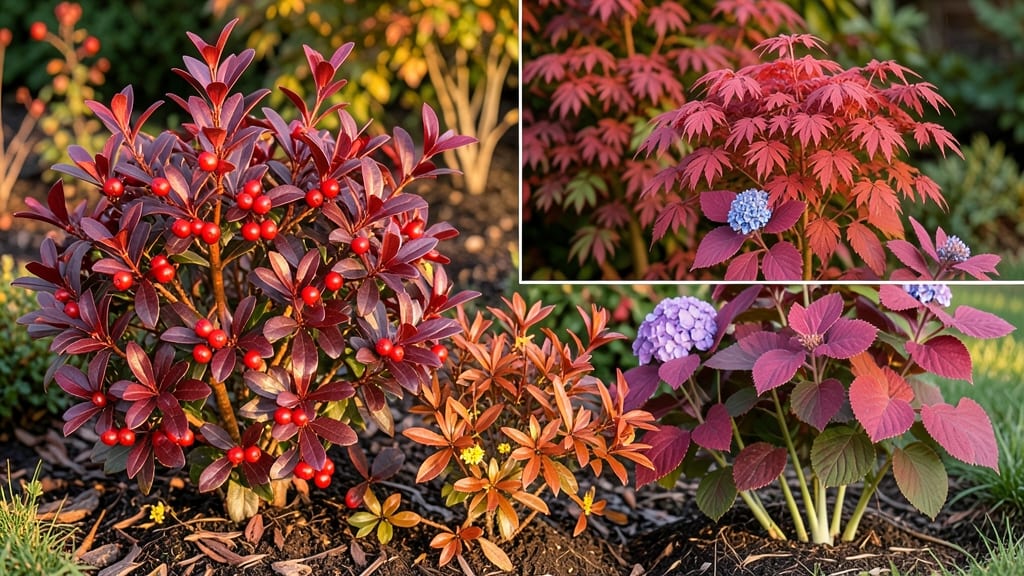
Red leaf bushes and shrubs transform your yard into a year-round masterpiece with minimal effort. 🌿 I remember the first time I planted a Burning Bush—its fiery foliage turned my dull backyard into a showstopper, and it barely required any extra care.
These plants aren’t just pretty; they’re the backbone of low-maintenance gardens, offering bold color that shifts from spring’s fresh green to autumn’s deep crimson. They thrive as privacy screens, border plants, or striking focal points—perfect for cottage gardens, modern landscapes, or woodland edges.
Pair them with silver foliage plants like lamb’s ear or white blooms like hydrangeas to make their red hues pop even more. The best part? They handle neglect like champions, so you won’t spend weekends fussing over them.
By mid-fall, your garden will glow with vibrant reds that last until winter, creating a dramatic backdrop for evergreens or early spring bulbs. Whether you want a lush hedge or a single statement plant, these shrubs deliver drama with almost no upkeep.
For long-term vibrancy, just prune lightly after flowering and mulch annually. They’re the ultimate "plant it and forget it" solution—until the leaves turn that stunning red, of course!
📚 In This Guide
- What you need
- Instructions
- Tips and common mistakes
- Wrapping up and next steps
What you need
- ● Red leaf shrubs: 3–5 Cotinus coggygria (Smokebush) or Cornus sericea (Red Osier Dogwood) plants (depending on desired height and coverage)
- ● Size: 1–3 gallon containers or bare-root (for faster establishment)
- ● Soil amendments: 5–10 lbs of compost or well-rotted manure per plant
- ● 1–2 lbs of slow-release fertilizer (10-10-10 or organic option)
- ● Planting tools: 1 shovel (for digging)
- ● 1 garden trowel (for precision)
- ● 1 pruning shears (for trimming roots or shaping)
- ● 1 measuring tape (to space plants 3–6 feet apart)
- ● Mulch: 2–3 bags of wood chips or shredded bark mulch (3–4 inches deep)
- ● 1 soil pH tester (to ensure acidic/neutral soil, ideal for red leaf shrubs)
- ● 1 drip irrigation system or soaker hose (for consistent watering)
- ● 1 plant support stakes (if planting in windy areas)
- ● 1 organic weed barrier fabric (to suppress weeds long-term)
- ● 1 pruning paint (to seal cuts after trimming)
How to plant and maintain stunning red leaf privacy screens
Here’s the easy way to create a vibrant, low-maintenance hedge that stays lush and fiery all season!
🌱 Step 1: Choose the Right Red Leaf Varieties for Your Climate
Start with four hardy red-leaf shrubs like Dwarf Gardenia, Japanese Maple, or Barberry—they thrive in most zones and deliver bold color year-round. I always pick three to four plants per 6-foot section to ensure full coverage without gaps. Check your USDA zone to match plants that stay vibrant in your area.
Look for healthy, disease-free nursery stock with deep red or burgundy foliage—avoid plants with yellowing leaves or bare spots. The richer the color at purchase, the longer it’ll hold its vibrancy. I like to plant one variety per row for visual impact, but mixing two complementary reds (like ‘Royal Purple’ Smokebush with ‘Firepower’ Cotoneaster) creates drama.
🪴 Step 2: Prepare the Planting Site for Optimal Growth
Dig a hole twice as wide as the root ball but only as deep—planting too deep suffocates roots. Amend the native soil with 1 part compost to improve drainage and fertility, especially if your soil is heavy clay. I like to loosen the soil 18 inches deep to encourage root spread.
Space plants 4-6 feet apart for a dense screen—closer spacing works for faster coverage but requires more pruning later. Water the hole deeply before planting to settle the soil and remove air pockets. The goal is moist but not soggy—if water pools, add a handful of sand to improve drainage.
☀️ Step 3: Plant and Water for Strong Establishment
Place the shrub in the hole so the top of the root ball sits level with the surrounding soil—burying the stem too deep causes rot. Backfill with native soil (no fertilizer yet!) and water thoroughly to eliminate air gaps. I like to tap the soil gently around the base to help roots settle.
Mulch with 2-3 inches of shredded bark (keep it 6 inches away from the trunk) to retain moisture and suppress weeds. Water deeply every 2-3 days for the first two weeks, then taper to once a week once new growth appears. Overwatering now will drown tender roots—stick your finger in the soil; if it’s dry 2 inches down, it’s time to water.
✂️ Step 4: Prune for Shape and Encourage Bushier Growth
Wait 6-8 weeks after planting before pruning—let the shrubs establish first. Cut back overly leggy stems by ⅓ to encourage branching, and shape the top into a rounded dome for a natural look. I prune in early spring (before new growth) for best results, using clean, sharp shears to avoid tearing leaves.
Remove dead or crossing branches first—they compete for nutrients and weaken the plant. Thin out 10-15% of the oldest stems at the base to rejuvenate the center. If your shrubs grow faster than desired, prune again in mid-summer to control height while maintaining color intensity.
💧 Step 5: Maintain Color and Health Through the Seasons
Fertilize once in early spring with a balanced 10-10-10 formula—red-leaf shrubs don’t need heavy feeding but benefit from iron supplements if leaves fade to green. Water deeply during droughts (when soil feels bone-dry 3 inches down) to keep foliage vibrant. I schedule a weekly check in summer to catch wilting early.
In fall, reduce watering but keep soil slightly moist—dry spells cause leaves to scorch before winter. Apply a 2-inch layer of mulch in late fall to insulate roots. Most red-leaf shrubs handle light frost, but young plants may need burlap wraps in zones below USDA 5 to prevent winter burn.
Tips & tricks for stunning red leaf privacy screens
These little details make all the difference between a good hedge and a showstopper!
Variety Selection: When choosing your four hardy shrubs, prioritize plants with deep burgundy or red foliage that maintains its color intensity throughout the season. I always check for rich, vibrant leaves at the nursery—this is your best indicator of how they'll perform in your climate. For maximum impact, consider planting ‘Royal Purple’ Smokebush alongside ‘Firepower’ Cotoneaster; their complementary shades create a stunning visual effect that catches the eye from any angle.
Soil Prep Strategy: The secret to thriving red leaf shrubs lies in that 18-inch deep soil loosening mentioned in Step 2. Use a garden fork or tiller to break up compacted soil—this encourages roots to spread outward rather than circling the plant. If your soil is particularly heavy clay, mix in 1 part compost with the native soil to improve drainage. I've seen plants struggle when roots can't breathe properly, so don't skip this step!
Pruning Precision: That 6-8 week waiting period before first pruning is crucial—it gives roots time to establish. When you do prune, focus on cutting back leggy stems by ⅓ to encourage bushier growth. I always shape into a rounded dome for a natural look, but you can also create a more formal rectangular shape if that fits your space better. Use clean, sharp shears to make smooth cuts just above a leaf node.
Seasonal Care: The early spring fertilization with 10-10-10 formula is perfect for a gentle boost, but watch for color fading. If your leaves start turning green, it's time for an iron supplement—this is the plant's way of telling you it needs more of this essential nutrient. In fall, that 2-inch mulch layer acts like a cozy blanket for roots, protecting them from temperature swings that can cause stress.
Pro Tips for Red Leaf Bushes And Shrubs
- These little details make all the difference between a good hedge and a showstopper!
- Variety Selection: When choosing your four hardy shrubs, prioritize plants with deep burgundy or red foliage that maintains its color intensity throughout the season.
- Soil Prep Strategy: The secret to thriving red leaf shrubs lies in that 18-inch deep soil loosening mentioned in Step 2.
Frequently asked questions
Got questions about adding red leaf bushes and shrubs to your landscape?
Here are answers to the most common queries to help you make the best choices for your privacy screen!
What’s the best time to plant red leaf bushes for fall color?
Plant them in early spring or fall for optimal root establishment. This gives them time to adapt before winter or summer stress. Avoid planting in extreme heat—water deeply after planting to reduce shock.
Do red leaf shrubs change color every year?
Yes! Their vibrant red, purple, or orange hues peak in fall, but some varieties (like Burning Bush) may also show winter interest with berries or bark. Color intensity depends on sunlight, soil, and pruning—more sun = brighter leaves!
How do I prune red leaf shrubs to keep them dense?
Prune in late winter or early spring before new growth starts. Cut back 1/3 of old stems to the ground to encourage fresh, colorful growth. Avoid heavy pruning in fall—it can reduce winter hardiness.
Are red leaf shrubs invasive or messy?
Most (like Cotinus or Euonymus) are non-invasive, but some, such as Burning Bush, can spread aggressively. Check your region’s native plant guides. Deadheading spent flowers or berries (if unwanted) keeps them tidy.
What’s a good alternative if I want less maintenance?
Try Dwarf Fothergilla or Smokebush—they offer stunning fall color with minimal pruning and thrive in partial shade. For evergreen options, Emerald Green Arborvitae provides year-round privacy with zero fall cleanup.
Do red leaf shrubs attract pests or diseases?
Occasionally, aphids or spider mites may appear, but they’re usually harmless. Overwatering or poor drainage can lead to fungal issues like powdery mildew. Ensure well-draining soil and space plants for airflow to prevent problems.
Wrapping up and next steps
Red leaf bushes and shrubs are the perfect blend of ease and beauty, offering year-round interest with minimal fuss.
Whether you’re seeking a vibrant privacy screen, a striking focal point, or a low-maintenance addition to your landscape, these plants deliver seasonal color and resilience—all while keeping upkeep simple. 🌿✨
Ready to transform your outdoor space? Start by selecting the right variety for your climate and soil, then dive into planting and care with confidence. Your future self (and your neighbors!) will thank you for the stunning, hassle-free results.