
Shrubs
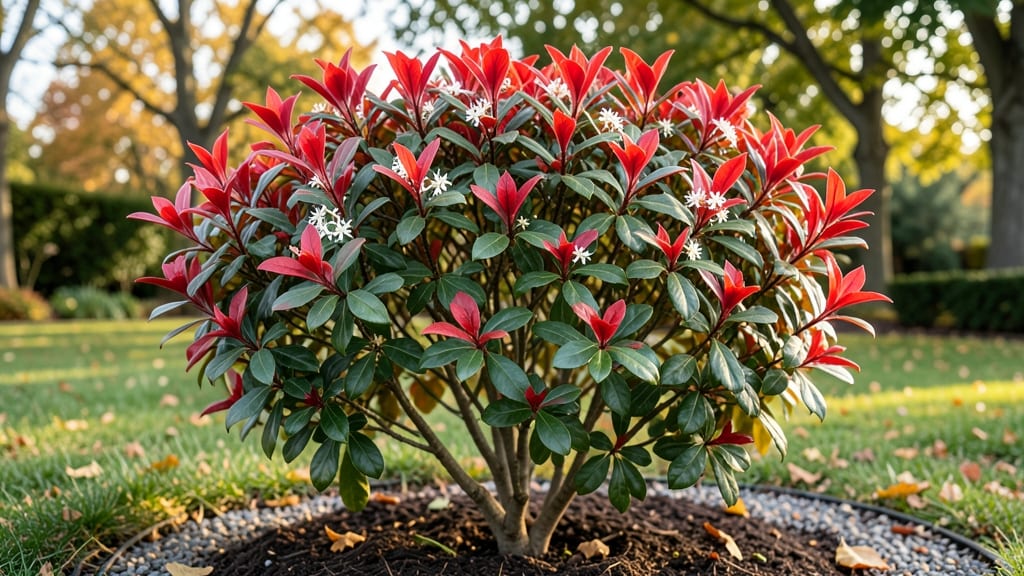
Growing red-tipped photinia shrubs means year-round color with almost no maintenance—just plant, water, and watch them shine. 🌿 These glossy evergreens turn heads with their bright red new growth that lasts all season, and unlike their thorny cousins, they’re completely gentle to handle.
The secret to their bold look? Well-drained soil and full sun—they’ll tolerate partial shade but won’t put on their best show. Water deeply once a week (more in extreme heat), and you’ll avoid the most common mistake: letting them dry out completely.
Prune lightly in late winter to shape them, but don’t overdo it—they reward patience with dense, vibrant foliage. By summer, your photinia will be the standout in borders, hedges, or as a striking focal point.
The deep green leaves contrast perfectly with the red tips, creating a two-toned effect that lasts until winter. They’re tough enough for zones 7-11, making them a reliable choice for warm climates. For best results, plant them in groups for maximum impact.
They handle shearing well if you want a formal hedge, or leave them natural for a softer, more organic look. Just avoid over-pruning—they’ll bounce back, but their signature color fades if you cut too much.
📚 In This Guide
- What you need
- Instructions
- Tips and common mistakes
- Wrapping up and next steps
What you need
- ● Red-tipped photinia shrubs: 1–3 mature plants (depending on desired size and spacing; 3–6 ft tall at maturity). Choose Photinia fraseri 'Red Robin' or similar cultivars.
- ● Garden soil or potting mix: 1–2 bags (10–20 lbs each) of well-draining, slightly acidic soil (pH 5.0–6.5). Amend with compost for nutrient-rich soil.
- ● Organic mulch: 2–3 cubic feet of pine bark, wood chips, or shredded leaves to retain moisture and suppress weeds.
- ● Slow-release fertilizer: 1 bag of balanced 10-10-10 or organic fertilizer (e.g., fish emulsion or compost tea).
- ● Watering can or hose with nozzle: A soaker hose or spray nozzle for gentle, deep watering.
- ● Gloves and long sleeves: To protect against minor irritation from leaves or soil.
- ● Pruning shears or loppers: Sharp, clean tools (sterilize with rubbing alcohol) for shaping or maintenance.
- ● Measuring tape or ruler: For accurate spacing (plant 6–10 ft apart for full growth).
- ● Plant support: Stakes or cages (if planting in windy areas or for young, top-heavy shrubs).
- ● Soil pH test kit: To confirm acidity levels before planting.
- ● Epsom salt or iron supplement: For yellowing leaves (chlorosis) in alkaline soils.
- ● Drip irrigation system: For automated, consistent watering.
- ● Decorative rocks or edging: To enhance the landscape around your shrubs.
How to plant and care for red-tipped photinia shrubs
Here's the straightforward method I use to establish healthy, vibrant photinia shrubs that keep their striking color year-round.
🌱 Step 1: Choose the Perfect Planting Location
Photinia thrives in full sun to partial shade, with at least 6 hours of direct sunlight daily for best foliage color. I always pick a spot with morning sun and afternoon shade to prevent leaf scorch, especially in hot climates. The soil should drain well—photinia roots hate soggy conditions, so avoid low-lying areas where water pools.
Test your soil's drainage by digging a 12-inch deep hole and filling it with water. If it drains in under an hour, your site is ready. Amend heavy clay soil with 2-3 inches of compost mixed into the top 12 inches of soil to improve aeration. I also check for wind exposure—young photinia can get damaged in high winds, so a sheltered spot is ideal.
🪴 Step 2: Dig and Prepare the Planting Hole
Dig a hole twice as wide as the root ball and as deep—no deeper, or the plant will sit too low and suffocate. Gently loosen the roots if they're circling tightly in the container. I always run my fingers through the root mass to encourage outward growth rather than a tight root ball.
Create a small mound of native soil in the center of the hole. Place the photinia on top, ensuring the top of the root ball sits 1 inch above ground level. This prevents water from pooling around the stem. Backfill with the removed soil, firming gently as you go. Water deeply to settle everything and eliminate air pockets.
☀️ Step 3: Water and Mulch for Establishment
After planting, water deeply until moisture reaches 6-8 inches down. Photinia needs consistent moisture during its first year to establish roots, but don't let it sit in waterlogged soil. I check soil moisture by sticking my finger 2 inches deep—if it's dry, it's time to water again.
Apply 2-3 inches of mulch around the base, keeping it 3 inches away from the trunk to prevent rot. Use organic mulch like shredded bark or pine straw—it breaks down slowly and improves soil over time. Replenish mulch annually to maintain moisture and suppress weeds.
✂️ Step 4: Prune for Shape and Health
Prune photinia in late winter or early spring before new growth begins. Remove any dead, diseased, or crossing branches first. Then, shape the shrub by cutting back overgrown branches to just above a leaf bud. I avoid heavy pruning—photinia responds best to gradual shaping over time.
Watch for signs of stress like yellowing leaves or stunted growth. These often indicate over-pruning or poor drainage. If you notice powdery mildew (a white powdery coating on leaves), prune affected branches immediately and improve air circulation around the plant. Photinia is generally disease-resistant, but crowded conditions invite problems.
🌿 Step 5: Maintain Year-Round Color and Growth
Fertilize in early spring with a balanced, slow-release fertilizer (10-10-10 ratio). Spread granules evenly over the root zone and water deeply to activate them. Avoid high-nitrogen fertilizers—they promote leafy growth at the expense of vibrant red tips.
Monitor for pests like spider mites or scale, which can drain the plant's energy. A strong spray of water usually dislodges them, but severe infestations may require insecticidal soap. Photinia's bold color fades slightly in winter but returns vigorously in spring. If you notice dull foliage, it's a sign of nutrient deficiency—apply a light fertilizer in early spring to revive growth.
Tips & tricks for perfect red-tipped photinia shrubs
Here's what nobody tells you about keeping photinia looking vibrant for years—these are the details that make all the difference.
Location Intelligence: That 6 hours of sunlight requirement is non-negotiable for those signature red tips, but here's the secret: morning sun is your friend. I've seen photinia scorch in afternoon heat, even with partial shade. If your yard gets intense afternoon sun, consider planting on the north or east side of structures to create natural shade during peak heat hours. The leaves will thank you with deeper color.
Root Ball Rescue: When you're loosening those roots in Step 2, don't just pull them apart—tease them gently with your fingers like you're combing through hair. This encourages outward growth rather than a tight, circling root ball. I learned this the hard way after seeing plants struggle with root-bound stress for years. The goal is to mimic natural root spread, not just untangle what's there.
Mulch Mastery: That 2-3 inches of mulch isn't just for looks—it's a moisture regulator. I like to use pine straw because it breaks down slowly and naturally acidifies the soil slightly, which photinia prefers. The key is keeping it 3 inches from the trunk to prevent rot. Pro tip: Refresh your mulch in early spring right before fertilizing—this gives the new nutrients direct access to the roots without competing with old mulch.
Pruning Precision: When shaping in Step 4, always cut just above a leaf bud—never at a joint or random spot. This ensures new growth emerges from the right place. I use clean, sharp pruners (I sterilize them with rubbing alcohol between cuts) to prevent disease spread. And here's what nobody tells you: prune in stages if needed. Heavy pruning all at once can shock the plant, so spread it out over 2-3 sessions if your shrub needs significant shaping.
Pro Tips for Red Tipped Photinia Shrubs
- Here's what nobody tells you about keeping photinia looking vibrant for years—these are the details that make all the difference.
- Location Intelligence: That 6 hours of sunlight requirement is non-negotiable for those signature red tips, but here's the secret: morning sun is your friend.
- Root Ball Rescue: When you're loosening those roots in Step 2, don't just pull them apart—tease them gently with your fingers like you're combing through hair.
Frequently asked questions
How fast do red-tipped photinia shrubs grow?
These shrubs are fast growers—expect 12–24 inches per year under ideal conditions. With proper care (sunlight, water, and soil), they can reach 6–10 feet tall in just 3–5 years. Prune annually to manage size and encourage bushier growth. Pro tip: Plant them where their rapid growth won’t crowd other plants!
When is the best time to plant red-tipped photinia?
The ideal planting window is early spring or fall, when temperatures are mild (50–70°F). Avoid extreme heat or frost, as young roots are sensitive. If planting in summer, water deeply and use mulch to retain moisture. Winter planting? Skip it—these shrubs dislike cold stress while establishing roots.
Why are my red-tipped photinia leaves turning brown or falling off?
Brown or dropping leaves usually signal stress, often from:
- Overwatering (root rot) or underwatering (drought). Aim for 1–1.5 inches of water weekly.
- Fungal diseases (like leaf spot) from poor airflow or wet foliage. Prune for airflow and avoid overhead watering.
- Pest issues (aphids, scale, or spider mites). Spray with neem oil or insecticidal soap if pests appear.
Are there thornless alternatives to red-tipped photinia?
Yes! If you love the bold color but want to avoid thorns, try:
- Dwarf Fountain Photinia (Photinia × fraseri ‘Little Red’) – No thorns, compact (3–4 ft tall), and disease-resistant.
- Firepower® Hydrangea (Hydrangea paniculata ‘Limelight’) – Thornless, white blooms that turn pink, and heat-tolerant.
- Dwarf Yaupon Holly (Ilex vomitoria ‘Nana’) – Thornless varieties exist (e.g., ‘Stokes Dwarf’), with glossy leaves and berries.
Do red-tipped photinia shrubs lose their red tips in winter?
Yes, but don’t worry—they’re deciduous! The bright red tips fade to a deep green in winter, then re-emerge in spring with fresh growth. For year-round color, plant them where they’ll get at least 6 hours of sunlight daily. Cold hardiness: They tolerate USDA zones 7–9.
Wrapping up and next steps
Ready to transform your landscape with bold, low-maintenance beauty? Red-tipped photinia shrubs deliver vibrant foliage year-round—no thorns, no fuss—while thriving in diverse climates. Whether you’re a seasoned gardener or a beginner, their versatility and resilience make them a standout choice for hedges, borders, or privacy screens.
🌿 Take the next step: Pick your spot, grab your gloves, and plant with confidence! Start small, experiment with varieties, and watch your outdoor space bloom with effortless elegance. Happy gardening! 🌱