
Pruning
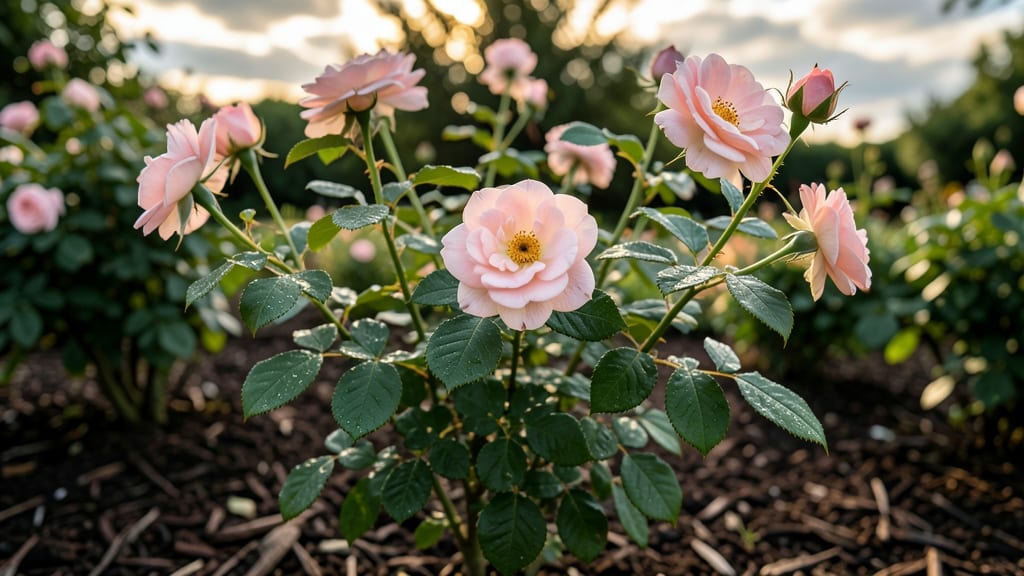
Transforming your yard into a thorn-free rose tree shrub haven starts with the right shrub shape. 🌹 The secret lies in three strategic seasonal trims that keep roses lush, blooming, and easy to enjoy without the usual prickly hassle.
My first attempt with a tangled rose bush turned into a beautiful, low-maintenance shrub after mastering these cuts—now I never dread reaching for the pruners.
You'll need just three tools: sharp bypass pruners, clean gloves, and a clear day to work. The process isn't about aggressive cutting—it's about shaping the plant to grow outward rather than inward, creating that perfect rounded shrub form.
Most roses thrive in full sun with well-draining soil, but the real magic happens when you time your trims right: late winter for structure, early summer for blooms, and light touch-ups in fall.
What you end up with is a rose shrub that looks like it belongs in a botanical garden, not your backyard. The blooms stay abundant, the shape remains neat, and you can finally enjoy your roses without worrying about hidden thorns.
Plus, the fragrance? Unmatched—especially when you can walk right up to admire them.
This method works for any shrub rose variety, from classic 'Knock Out' roses to fragrant climbers like 'David Austin' English roses. The key is patience—your first year will be about establishing the shape, and by year two, you'll have a thriving, low-maintenance centerpiece that neighbors will envy.
Ready to get started?
📚 In This Guide
- What you need
- Instructions
- Tips and common mistakes
- Wrapping up and next steps
What you need
- ● Pruning shears: Bypass pruners (sharp, clean, and sterilized with rubbing alcohol) for clean cuts. Size: 5-7 inches for medium branches.
- ● Loppers: For thicker branches (½–1½ inches). Quantity: 1 pair with bypass blades (avoid anvil types—they crush stems).
- ● Hand pruners: Small, ergonomic shears (3–4 inches) for delicate trimming. Quantity: 1 pair.
- ● Gloves: Heavy-duty, thorn-proof gardening gloves (leather or reinforced fabric). Quantity: 1–2 pairs.
- ● Disinfectant: 70% isopropyl alcohol or hydrogen peroxide (3%) to sterilize tools between cuts.
- ○ Pruning sealant: Optional but helpful for large cuts (>½ inch) to prevent disease. Type: Tree wound pruning paste.
- ○ Extension pole: Telescoping saw or pruner (3–6 feet) for high branches. Optional: For multi-story shrubs.
- ● Bucket or bag: For collecting trimmings. Size: 5-gallon bucket or mesh bag.
- ● Ruler or tape measure: To measure branch length for proportional trimming.
- ● Safety glasses: Protect your eyes from debris.
- ● Knee pads: For comfort during extended sessions.
- ● Sharpener: A file or whetstone to maintain tool sharpness.
- ● Spray bottle with water: Keeps tools cool and prevents sap buildup.
- ● Notebook & pen: To sketch your trimming plan before starting.
- ● Fertilizer: Balanced rose-specific fertilizer (10-10-10 or similar) for post-pruning care.
Step-by-step guide to shaping a thorn-free rose tree shrub
Here's how I transform sprawling rose bushes into elegant, thorn-free shrubs—no special tools, just sharp pruners and patience.
✂️ Step 1: Early Spring Cleanup (Late February to Early March)
Start by removing any dead, diseased, or crossing branches first. I look for stems that are brown inside when cut open or have black spots—they're history. Use clean, sharp pruners to make cuts at a 45-degree angle, about ¼ inch above an outward-facing bud. This angle keeps water from pooling on the cut.
Next, identify the main vertical stems you want to keep—these will form your "tree" trunk. I usually select 3-4 of the strongest, straightest canes. Cut back all other stems to the ground. This might seem drastic, but it forces the plant to put energy into the remaining branches, creating a denser shape. Watch for new growth emerging from the base within 3-4 weeks—that's your signal the plant is responding well.
☀️ Step 2: Mid-Summer Pruning (June to Early July)
Now's the time to shape the shrub while new growth is still tender. I focus on removing any suckers—those low-growing shoots that pop up around the base. These steal energy from your main structure. Cut them off at the ground level immediately; they'll grow back faster than you can say "thorny mess."
For the main branches, I trim back about ⅓ of the new growth to encourage bushier growth. Look for branches that are growing inward or rubbing against others—these will create weak points. Cut them back to a leaf node that's growing outward. This step is all about creating an open center that lets air circulate, reducing disease risk. You'll see fresh, vibrant new leaves within 10-14 days after pruning.
⏰ Step 3: Late Fall Refinement (October to November)
In the final trim, I focus on cleaning up the overall shape. Remove any branches that are growing too close together or crossing. The goal is to create a rounded, vase-like shape with plenty of space between branches. I make my cuts just above a bud that's facing outward, always keeping the cut clean and angled. This final shape will carry through winter and bloom beautifully next spring.
Here's the thing—I never remove more than 25% of the plant's total growth in any one season. That rule keeps the rose healthy and prevents stress. After this trim, give your shrub a light layer of mulch (about 2-3 inches) to protect the roots over winter. You'll notice fewer thorns on new growth next year, and the overall shape will be much more refined.
🌿 Optional Step 4: Annual Maintenance (Spring to Fall)
Throughout the growing season, I do quick maintenance prunings. Whenever I see a branch growing in the wrong direction, I nip it back immediately. This prevents the plant from investing too much energy in unwanted growth. I also remove any spent blooms by cutting just above a set of five-leaflets—this encourages more flowers. The key is to prune regularly rather than doing one big job.
Watch for any branches that are getting too long or leggy. These can be cut back by about half their length to encourage bushier growth. The more you stay on top of small prunings, the easier the seasonal trims become. Within a year, you'll have a rose shrub that looks intentionally shaped rather than wild and overgrown.
Tips & tricks for perfect rose tree shrub shaping
Transforming your roses into elegant, thorn-free shrubs takes more than just cutting—it's about timing and technique. Here's what I've learned after years of shaping my own garden roses.
Timing is Everything: The 3-4 weeks after your early spring cleanup is critical. This is when you'll see new growth emerge from the base—your reward for the drastic pruning. If you don't see new shoots within this window, your rose might need extra care like a balanced fertilizer or better drainage. Don't rush this process; patience here leads to thicker, healthier growth later.
The 25% Rule: Never remove more than 25% of your rose's total growth in any single season. I learned this the hard way after over-pruning and nearly losing a prized shrub. This rule keeps your rose healthy and prevents stress. If you're unsure, err on the side of caution—you can always trim more next season if needed.
Cutting Technique Matters: That 45-degree angle isn't just for looks—it's about water runoff. When you make cuts at this angle about ¼ inch above an outward-facing bud, you're creating the perfect conditions for new growth. I always test my pruners first by cutting a small twig to make sure they're sharp enough for clean cuts. Dull pruners crush stems instead of making clean cuts, which invites disease.
Seasonal Shape Check: After your late fall refinement, take a step back and visualize your rose as a vase. The goal is to create that classic rounded shape with plenty of air circulation. I like to sketch a rough outline in my head—imagine a cone shape with the widest part at the top. This open center prevents disease and makes future pruning easier.
Pro Tips for Rose Tree Shrub
- Transforming your roses into elegant, thorn-free shrubs takes more than just cutting—it's about timing and technique....
- Timing is Everything: The 3-4 weeks after your early spring cleanup is critical. This is when you'll see new growth e...
- The 25% Rule: Never remove more than 25% of your rose's total growth in any single season. I learned this the hard wa...
Frequently asked questions
When is the best time to prune a rose tree shrub for seasonal trims?
Prune your rose tree shrub in three key seasons: late winter (just before new growth starts), early summer (after the first flush of blooms), and late summer (to encourage fall flowers). Avoid pruning in extreme cold or heat—aim for 50–65°F for ideal healing.
How do I shape a rose tree shrub without ruining its health?
Use clean, sharp pruners and cut at a 45-degree angle just above an outward-facing bud. Remove no more than 1/3 of the plant per trim, and avoid cutting into old wood (wood older than 3 years). Thin out crowded branches first to improve airflow and reduce disease risk.
Can I grow a rose tree shrub in containers, or does it need ground planting?
Yes! Many rose tree shrubs thrive in large containers (15+ gallons) with well-draining soil and regular watering. Choose dwarf or patio varieties like ‘Knock Out’ roses for smaller spaces. Just ensure the pot has drainage holes and replant every 2–3 years to refresh the soil.
Why are my rose tree shrub’s leaves turning yellow or dropping?
Yellow leaves often signal overwatering, underwatering, or nutrient deficiencies. Check the soil moisture—it should be damp but not soggy. Yellowing between veins may mean iron deficiency (try a chelated iron supplement). Dropping leaves could also indicate stress from pruning too late or pests like spider mites—inspect undersides for webs.
Are there thorn-free rose tree shrub alternatives?
If thorns are a concern, opt for ‘Carefree Beauty,’ ‘Double Knock Out,’ or ‘Flower Carpet’ roses, which have minimal or soft thorns. These varieties still deliver season-long blooms with less prickliness—perfect for families or high-traffic areas!
Wrapping up and next steps
Transforming your rose tree shrub into a stunning, thorn-free masterpiece is easier than you think!
With the right tools, seasonal trims, and a little patience, you’ll enjoy a beautifully shaped shrub that blooms year after year. Remember: consistency is key—prune regularly, and your efforts will pay off with vibrant, healthy growth.
Ready to take the next step? Start small—pick one trim session this season and build from there. Before you know it, your rose tree shrub will be the envy of the neighborhood! 🌹✨