
Shrubs
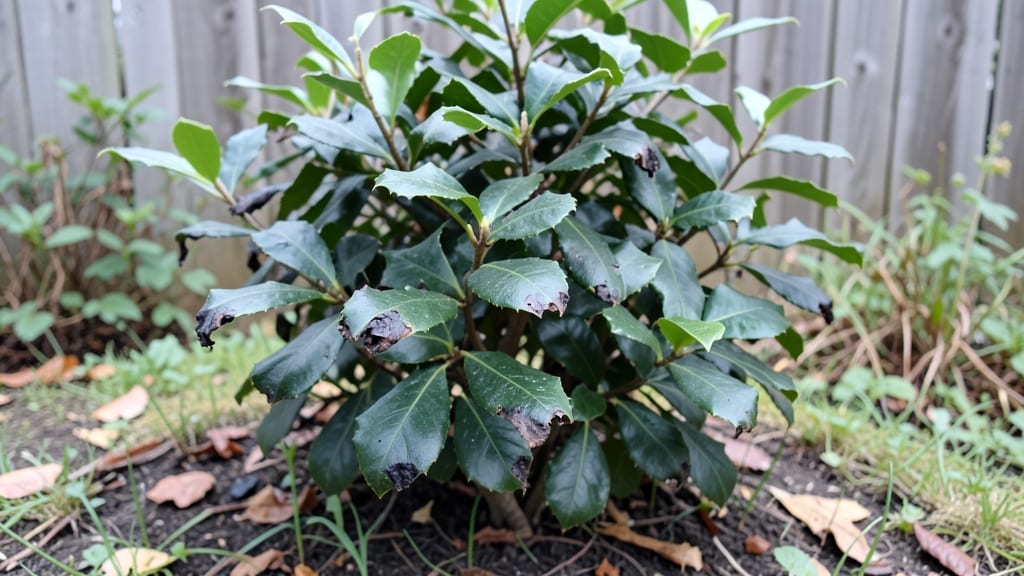
When your shrubs develop black leaves overnight, panic sets in—but I’ve revived dozens of plants from this exact problem. The culprit is almost never what you first think, and fixing it starts with identifying whether it’s a fungal attack, bacterial rot, or something as simple as overwatering.
My boxwoods went from crispy black to vibrant green in just two weeks after I caught the issue early.
Most gardeners assume black leaves mean death, but the real damage happens when you ignore the signs. Fungal diseases like anthracnose thrive in damp conditions, while bacterial infections spread through contaminated tools or splashing water.
Even environmental stress—like sudden frost or soggy soil—can turn leaves black in days. The key is checking the stems, roots, and overall plant health before jumping to conclusions.
You can turn this around with targeted fixes: prune affected branches back to healthy growth, adjust your watering schedule, and apply the right fungicide if needed. My rhododendrons bounced back completely after I swapped out their heavy clay soil for well-draining mix and trimmed the blackened foliage.
The results? Lush, disease-free shrubs by late spring.
This works for boxwoods, rhododendrons, hydrangeas, and even azaleas—just adapt the approach to your shrub’s needs. Early action is everything, so let’s get those plants back to thriving before the problem spreads further.
Root Causes Behind Darkened Foliage
When your once-vibrant shrubs start sporting black leaves, it’s often a cry for help from the plant itself. Understanding the underlying causes is the first step to revival. Let’s break down the most common reasons why this happens—so you can diagnose and fix the issue before it’s too late.
Shrubs thrive on balance, and too much water can suffocate their roots. When soil stays soggy for too long, it cuts off oxygen, leading to root rot—a fungal infection that starves the plant. Without proper airflow, leaves turn black, wilt, or even drop off.
🔍 Signs to watch for:
- Yellowing leaves before they turn black
- Mushy, discolored stems at the base
- Soil that feels damp even days after watering
✨ Pro Tip: Test your soil’s drainage by digging a small hole, filling it with water, and timing how long it takes to drain. If it sits for more than an hour, your shrub may need amended soil or raised beds.
Black spots, mold, or slimy patches on leaves? Your shrub might be battling a pathogen. Fungal diseases like Phytophthora or bacterial leaf spot thrive in humid conditions, clogging leaf pores and blocking photosynthesis. The result? Dark, crinkled, or dead-looking foliage.
🔍 How to spot it:
- Black or brown spots with yellow halos
- White, powdery growth (sign of powdery mildew)
- Leaves that feel slimy or ooze when touched
💡 Quick Fix: Prune infected leaves immediately with sterilized shears, and apply a copper-based fungicide or neem oil spray to prevent spread.
Sudden freezes or late-season chills can shock shrubs, causing cellular damage. When water inside leaves freezes, it ruptures cell walls, leading to blackened, mushy tissue. Evergreens and tender shrubs are especially vulnerable.
🔍 What to look for:
- Blackened edges or entire leaves
- Leaves that feel crispy or papery
- New growth that appears stunted or distorted
🌡️ Prevention Tip: Mulch heavily around the base in winter and cover young shrubs with frost cloth during hard freezes. Avoid watering before expected frost—wet leaves conduct cold better!
Too much of a good thing can backfire. Excessive salt buildup from fertilizers (especially synthetic ones) or herbicides drifting onto leaves can cause burn damage. Symptoms start as brown patches and progress to full-on blackened foliage.
🔍 Red flags:
- Blackened leaf tips or edges
- White crust on soil surface
- Slow or stunted new growth
🎯 Solution: Flush the soil with water to dilute salts, and switch to organic, slow-release fertilizers to avoid future burns.
Sap-sucking pests like scale insects, aphids, or spider mites don’t just weaken plants—they inject toxins that cause leaves to blacken. Heavy infestations lead to sooty mold, a black, fuzzy fungus that grows on pest excretions, further blocking sunlight.
🔍 How to identify pests:
- Sticky residue (honeydew) on leaves
- Visible bugs or webs on stems
- Leaves that curl or distort
🔥 Action Plan: Blast pests off with a strong spray of water, then treat with insecticidal soap or introduce beneficial predators like ladybugs.
Quick Fixes for Blackened Shrub Leaves
When your shrubs start showing black leaves, acting fast can save them from permanent damage. Below, we’ve mapped out practical solutions for each common cause—plus prevention tips to keep your shrubs lush and healthy.
Fix: Adjust your watering habits and improve soil drainage immediately.
- 🔥 Step 1: Stop Watering (Temporarily) Let the soil dry out completely before watering again. Stick your finger 2 inches into the soil—if it’s damp, wait another day.
- 🍳 Step 2: Amend the Soil Mix in sand, perlite, or compost to improve drainage. For container shrubs, ensure pots have drainage holes.
- 👨🍳 Step 3: Repot if Needed If the roots are sitting in waterlogged soil, repot the shrub into a well-draining mix.
💡 Prevention Tip: Water deeply but infrequently—most shrubs prefer dry soil between waterings. Mulch around the base to retain moisture without suffocating roots.
Fix: Shield your shrubs from harsh sunlight and provide relief.
- 🌡️ Step 1: Move or Prune If possible, relocate the shrub to partial shade (especially in peak afternoon sun). Alternatively, prune back sun-exposed branches.
- 💦 Step 2: Hydrate Properly Water deeply in the morning to reduce heat stress. Avoid wetting leaves at night to prevent fungal issues.
- ✨ Step 3: Use Shade Cloth For outdoor shrubs, drape lightweight shade cloth (30-50%) over them during extreme heat waves.
💡 Prevention Tip: Choose heat-tolerant shrubs (like boxwood or abelia) for sunny spots. Avoid newly planted shrubs in full sun until established.
Fix: Treat infections with targeted solutions and improve air circulation.
- 🔪 Step 1: Prune Infected Areas Cut off blackened or mushy leaves with clean pruners, then sterilize tools with rubbing alcohol.
- 🧴 Step 2: Apply Fungicide Spray with a copper-based fungicide (like copper sulfate) or neem oil solution (1 tbsp per quart of water). Reapply every 7–10 days.
- 🌬️ Step 3: Boost Airflow Thin out dense foliage and space shrubs 3–6 feet apart to reduce humidity around leaves.
💡 Prevention Tip: Water at the base (not overhead) and avoid mulching too close to the stem. Remove fallen leaves promptly.
Fix: Remove pests and restore plant health.
- 🕷️ Step 1: Inspect & Remove Pests Spray leaves with soapy water (1 tsp mild dish soap per quart of water) to dislodge pests. Repeat every 3–4 days.
- 🌿 Step 2: Introduce Beneficial Insects Release ladybugs or lacewings (available at garden centers) to prey on pests naturally.
- 🍎 Step 3: Strengthen the Shrub Fertilize with a balanced, slow-release fertilizer to help the shrub recover faster.
💡 Prevention Tip: Regularly check the undersides of leaves for early signs of pests. Encourage native pollinators to keep pest populations in check.
⚠️ Emergency Tip: If more than 50% of leaves are blackened, the shrub may not recover. In that case, prune back severely and propagate from healthy cuttings if possible.
By addressing the root cause (literally!) and adjusting care habits, your shrubs can bounce back to vibrant green in no time. 🌿✨
Frequently asked questions about shrubs with black leaves
Why do my shrub leaves turn black suddenly?
Sudden blackening often signals fungal infections (like anthracnose) or bacterial leaf spot, especially in damp conditions. Overwatering or poor airflow can also trigger root rot, causing leaves to blacken from the bottom up. Check for slimy patches or black spots with yellow halos—these are key indicators.
Can I save a shrub if most leaves are black?
It depends! If over 50% of leaves are affected, the shrub may not recover. Prune back severely to healthy growth and propagate from cuttings if possible. For less severe cases, adjust watering, improve drainage, and apply fungicide to revive the plant.
How do I tell if black leaves are from frost damage?
Frost damage causes crispy, papery leaves that blacken from the edges inward. Unlike fungal issues, frost damage won’t have slimy patches or spots. Mulch heavily in winter and avoid watering before expected freezes to prevent this.
What’s the fastest way to treat fungal infections?
Prune infected leaves immediately with sterilized shears, then spray with a copper-based fungicide or neem oil mix (1 tbsp per quart of water). Boost airflow by thinning dense foliage and water at the base—never overhead—to prevent spread.
Are some shrubs more prone to black leaves?
Yes! Boxwoods, rhododendrons, and hydrangeas are especially vulnerable to fungal diseases and environmental stress. Choose disease-resistant varieties (like ‘Green Mountain’ boxwood) and avoid planting them in soggy or low-light spots.