
Trees
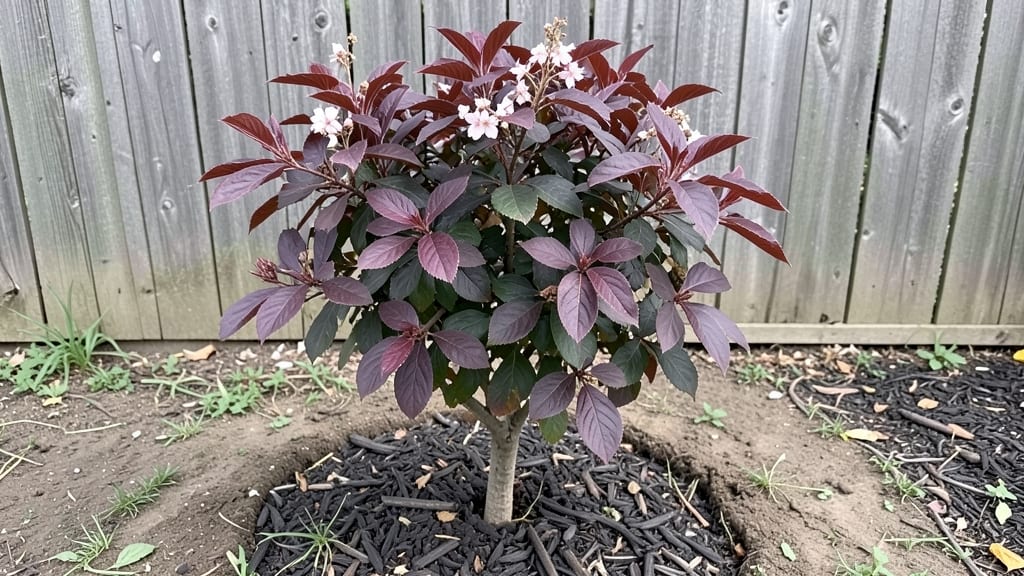
Small canopy trees turn tight spaces into lush, private retreats without swallowing your yard. 🌿 I planted a Japanese maple in my 6x8-foot side yard last spring, and it now frames my patio with delicate branches while casting just enough shade for summer lunches.
The key isn’t just picking a tiny tree—it’s choosing one that grows up and out in controlled bursts, not outward like a hedge.
These trees thrive in spots where shrubs fail—think narrow borders, urban alleys, or between house and sidewalk. A dwarf crabapple stays under 15 feet tall but delivers spring blossoms and fall color like a full-sized tree.
They handle city pollution better than you’d think, and their dense canopies block noise while letting light filter through. Just avoid planting them too close to foundations (keep roots 3-5 feet away).
You’ll love how they transform a plain corner into a year-round focal point—think burgundy leaves in autumn, winter bark texture, and spring blooms that attract pollinators. My neighbors now stop to admire it, and I get privacy without sacrificing sunlight for my vegetable beds.
The trade-off? A little more pruning than a shrub, but nothing a 10-minute trim twice a year can’t handle.
Perfect for small yards, courtyard gardens, or even large containers on patios. Here’s how to pick the right one for your space—no guesswork, just beauty that fits.
📚 In This Guide
- What you need
- Instructions
- Tips and common mistakes
- Wrapping up and next steps
What you need
- ● Small canopy tree sapling (3-6 ft tall): Choose a species like Japanese Maple (Acer palmatum), Dwarf Korean Lilac (Syringa meyeri), or Crabapple (Malus spp.). Select a healthy, well-rooted specimen from a nursery.
- ● Planting hole: Twice as wide and deep as the root ball of your tree.
- ● High-quality potting mix or native soil: If planting in a pot, use a well-draining mix (e.g., 60% potting soil, 30% perlite, 10% compost). For in-ground planting, amend native soil with compost.
- ● Organic mulch (2-3 inches): Shredded bark, wood chips, or straw to retain moisture and suppress weeds.
- ● Watering can or hose with a gentle spray nozzle: For consistent hydration without damaging roots.
- ○ Stakes and soft tree ties (optional but recommended for young trees): Use 2-3 stakes and ties to provide support if needed.
- ● Garden trowel or spade: For digging and loosening soil.
- ● Gloves (durable gardening gloves): To protect your hands from thorns or rough bark.
- ● Pruning shears (sterilized): For shaping or trimming during planting.
- ● Measuring tape or ruler: To ensure proper spacing and hole depth.
- ● Fertilizer (slow-release, balanced formula): Apply sparingly (e.g., 10-10-10) at planting time.
- ● Container (if potted): Choose a pot 1-2 sizes larger than the root ball with drainage holes.
- ● Tree guard or protective barrier: To shield young trees from pets or wildlife.
- ● Soil moisture meter: For monitoring hydration levels in pots.
- ● Decorative rocks or pebbles: For aesthetic appeal around the base.
- ● Tree-specific care guide: Research your chosen species’ unique needs (e.g., sunlight, water frequency).
How to select and plant small canopy trees for privacy
Here’s the straightforward approach to choosing and planting trees that deliver instant privacy without sacrificing curb appeal.
🌱 Step 1: Choose the Right Species for Your Space
Start by measuring your available space—small canopy trees thrive when planted 10-15 feet apart for mature coverage. Opt for varieties like Dwarf Korean Lilac (15-20 ft mature height) or Japanese Maple (15-25 ft) for balanced growth and seasonal interest. These species provide year-round structure with foliage, flowers, and fall color.
Check your USDA Hardiness Zone—most small canopy trees prefer Zones 5-8, but verify each variety’s specific range. For example, Dwarf Korean Lilac handles Zones 3-8, while Japanese Maple thrives in Zones 5-9. Planting outside these zones risks stunted growth or winter damage.
🪴 Step 2: Prepare the Planting Site
Dig a hole twice as wide as the tree’s root ball but no deeper—this prevents soil compaction around roots. Amend the native soil with 2-3 inches of compost (mixed into the top 6 inches of the hole) to improve drainage and nutrient retention. Avoid heavy clay soil by adding sand or perlite if needed.
Place the tree so the top of the root ball sits 1-2 inches above ground level—this prevents waterlogging. Gently loosen the roots if they’re circling (a common issue with container-grown trees) to encourage outward growth. Tap the soil lightly around the edges to eliminate air pockets.
☀️ Step 3: Plant and Water for Immediate Stability
Backfill the hole with the amended soil, pressing firmly in 3-inch layers to remove gaps. Water deeply (1-2 gallons) to settle the soil and eliminate air pockets. Add a 2-3 inch layer of mulch (keeping it 6 inches away from the trunk) to retain moisture and suppress weeds.
Stake the tree only if it’s taller than 6 feet or in a windy location—use two stakes placed diagonally and a soft tree tie to avoid girdling the trunk. Water twice weekly for the first month, ensuring the soil stays evenly moist but not soggy. Overwatering suffocates roots, while underwatering stresses the tree.
✂️ Step 4: Prune and Maintain for Long-Term Health
Prune in late winter or early spring (before new growth) to remove dead, crossing, or weak branches. Use clean, sharp pruners to make cuts just outside the branch collar. Avoid heavy pruning—small canopy trees recover best with minimal shaping. Focus on opening the canopy to allow light penetration.
Fertilize once in early spring with a balanced 10-10-10 formula (follow package rates). Over-fertilizing encourages weak, fast growth that’s prone to disease. Monitor for pests like aphids or spider mites—treat with neem oil if needed. Most small canopy trees establish well in 3-5 years, providing year-round privacy with minimal upkeep.
Tips & tricks for perfect small canopy trees
These practical insights will help you avoid common pitfalls and maximize your small canopy trees' potential for years of privacy and beauty.
Species Selection: When choosing between Dwarf Korean Lilac and Japanese Maple, consider your climate preferences. The Dwarf Korean Lilac's wider hardiness range (Zones 3-8) makes it more versatile, while Japanese Maple's stunning fall colors (Zones 5-9) provide seasonal drama. For urban areas, opt for the Dwarf Korean Lilac—its compact size and drought tolerance make it ideal for city landscapes.
Root Preparation: The key to healthy root establishment lies in Step 2's root loosening technique. For container-grown trees, use a garden fork to gently separate circling roots before planting. This encourages outward growth rather than the suffocating root-bound pattern common in nursery stock. Remember, the goal is to mimic natural root spread—not to damage them.
Watering Strategy: During the critical first month, your twice-weekly watering should deliver 1-2 gallons each time, but adjust based on rainfall. A simple test: stick your finger 2 inches into the soil—if it's dry, water. If moist, wait. Overwatering creates anaerobic conditions that strangle roots, while underwatering stresses young trees. Consider installing a drip irrigation system for consistent moisture without overwatering.
Long-Term Maintenance: The once-in-early-spring fertilization rule is perfect for established trees, but newly planted trees need patience. Skip fertilization the first year entirely—focus on root establishment. In subsequent years, apply half-strength 10-10-10 formula in spring and fall. This gradual approach prevents nutrient burn while supporting steady growth.
Pro Tips for Small Canopy Trees
- These practical insights will help you avoid common pitfalls and maximize your small canopy trees' potential for years of privacy and beauty.
- Species Selection: When choosing between Dwarf Korean Lilac and Japanese Maple, consider your climate preferences.
- Root Preparation: The key to healthy root establishment lies in Step 2's root loosening technique.
Frequently asked questions
Got questions about small canopy trees? You’re not alone! Here are answers to the most common queries to help you make the best choice for your space.
What are the best small canopy trees for urban or small yards?
Look for varieties like the Dwarf Japanese Maple, Crape Myrtle, or Serviceberry. These stay compact (10–20 ft tall) while offering dense foliage, seasonal color, and low maintenance. Avoid fast-growing species like willows—they’ll outgrow your space quickly!
How long does it take for a small canopy tree to provide privacy?
Most small canopy trees take 3–5 years to fill out enough for privacy, depending on the species and growing conditions. Faster options like Empress Tree (Paulownia) can reach 15 ft in 2–3 years but may need pruning. Plant in clusters for quicker results!
When is the best time to plant a small canopy tree?
Spring or early fall is ideal—soil is workable, and trees establish roots before extreme weather. Avoid planting in summer heat or winter frost. Pro tip: Water deeply weekly for the first year to help roots spread!
Can I prune a small canopy tree to keep it smaller?
Yes! Regular pruning (especially in late winter) encourages bushier growth. Avoid heavy cuts—focus on shaping and removing dead branches. Warning: Over-pruning can stress the tree. Use sharp tools and sterilize them to prevent disease.
Are there alternatives to trees for quick privacy?
If trees take too long, try evergreen shrubs (like boxwood or holly) or ornamental grasses for texture. For instant privacy, mix fast-growing vines (e.g., Clematis) with a trellis. Just ensure they fit your sunlight and soil needs!
Wrapping up and next steps
Small canopy trees are the perfect way to add privacy, charm, and greenery to any space—whether it’s a cozy backyard, a tight urban patio, or a landscaped courtyard. 🌿 From their low-maintenance care to their stunning year-round appeal, these trees prove that big beauty doesn’t need big space.
Whether you’re a seasoned gardener or a beginner, there’s a small canopy tree that’s just right for you.
Ready to transform your outdoor space? Start by sketching your dream spot, then pick a tree that fits your climate, sunlight, and style. Plant it with confidence—your future shade (and curb appeal!) will thank you.