
Tools
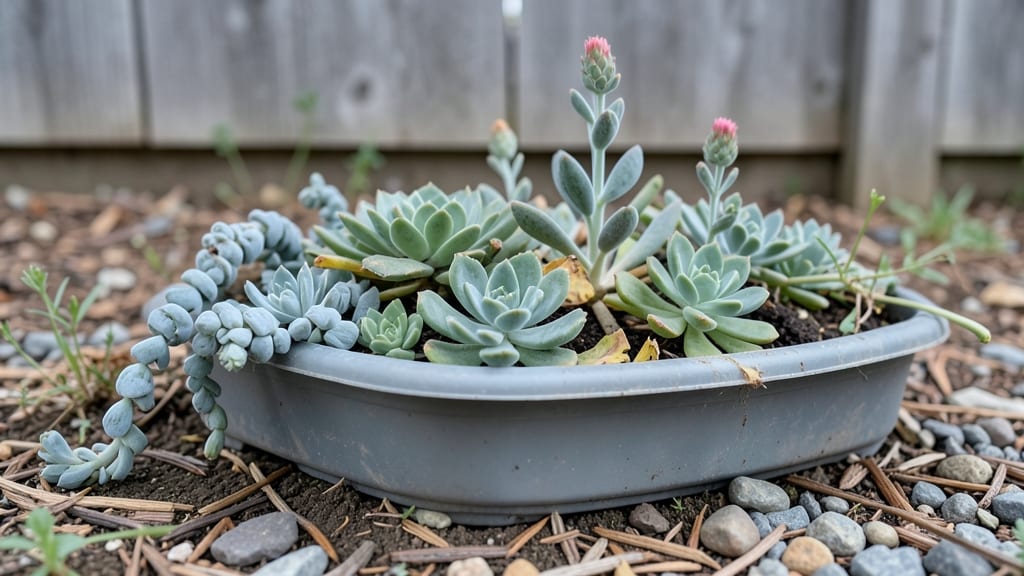
A succulent wall garden turns empty vertical space into a living masterpiece that thrives with almost no fuss. 🌿 I built mine last spring after watching my tiny balcony fill with potted plants that outgrew their homes—this was the solution I wish I’d known about sooner.
The best part? No green thumb required. These drought-loving plants handle neglect better than most houseplants handle attention.
Start with a sturdy frame—pallets, crates, or even a pre-made vertical planter all work—and focus on drainage. Succulents hate soggy roots, so add a layer of gravel or perlite at the bottom before mixing in a fast-draining soil blend.
My go-to is equal parts cactus mix, coarse sand, and pumice, which keeps moisture exactly where it needs to be: nowhere near the roots. For structure, I used a repurposed wooden pallet with pre-drilled holes for airflow, but modular systems let you scale up or down.
Picture a wall bursting with jewel-toned rosettes, some trailing over edges like tiny waterfalls, others standing tall in geometric precision. My favorite varieties—echeveria, haworthia, and sedum—stay compact, colorful, and nearly indestructible.
Arrange them by height and texture: taller types at the back, trailing ones at the front, and contrasting colors for visual pop. The result? A low-maintenance focal point that brightens every season without a single dead leaf in sight.
This design adapts to any space—sunny windows, shady corners, or even indoors near a bright window. The key is matching your succulents to light conditions: sun-lovers like aeonium thrive in southern exposures, while shade-tolerant sempervivum handle north-facing walls.
Once installed, water only when the soil feels bone-dry, and watch your vertical garden become the envy of the neighborhood. Ready to turn walls into wonderlands?
📚 In This Guide
- What you need
- Instructions
- Tips and common mistakes
- Wrapping up and next steps
What you need
- ● Succulents: 10–20 small varieties (e.g., Echeveria, Haworthia, or Sedum). Choose plants with similar water needs for harmony.
- ● Wall planter or frame: 1 pre-made kit (e.g., fabric pockets, wooden crates, or modular panels) or DIY materials like cedar planks, wire mesh, or plastic pockets.
- ● Potting mix: 1–2 bags of cactus/succulent soil (well-draining, perlite or sand included). Avoid regular garden soil!
- ● Drainage layer: Small pebbles, gravel, or broken pottery (1–2 cups per planter section).
- ● Measuring tools: Tape measure (for spacing) and ruler (for precise planting).
- ● Watering can or spray bottle: 1 with a narrow spout for gentle hydration.
- ○ Optional: Gloves (to protect hands from prickly leaves).
- ● Twine or zip ties (for securing fabric pockets to the frame).
- ● Decorative elements: Moss, pebbles, or LED string lights for ambiance.
- ● Fertilizer: Balanced liquid fertilizer (diluted to half-strength, used sparingly).
Step-by-step instructions for building a succulent wall garden
Here's how to transform a blank wall into a thriving vertical garden that thrives year-round.
🪴 Step 1: Prepare the Wall and Install the Frame
Start by cleaning the wall surface thoroughly to remove dust, dirt, or peeling paint. I use a damp cloth and mild soap to avoid damaging the wall material. Once dry, measure and mark where your frame will go—typically 6-8 feet wide and 1-2 feet deep for a balanced look. Use a level to ensure the frame is perfectly straight before securing it with sturdy brackets or adhesive strips, depending on your wall type.
For a lightweight option, I recommend using a pre-made wooden or metal grid frame. If you're working with a heavier system, anchor it into studs for long-term stability. The frame should have evenly spaced slots or holes—about 2-3 inches apart—to hold the pockets or mesh where succulents will sit. This spacing ensures proper drainage and airflow, which succulents absolutely need to prevent rot.
💧 Step 2: Fill Pockets with Soil and Plant Succulents
Fill each pocket or mesh section with the cactus and succulent potting mix you’ve prepared. Press it down lightly so it stays in place but doesn’t compact too tightly—succulents hate soggy roots. I like to leave about ½ inch of space at the top of each pocket to prevent soil from spilling out when watering.
Remove succulents from their nursery pots and gently loosen their roots if they’re tightly bound. Place each plant into a pocket, ensuring the soil level matches the surrounding mix. I start with the largest succulents at the bottom and work my way up to smaller ones, creating a natural cascading effect. Space them 1-2 inches apart to allow room for growth without overcrowding.
☀️ Step 3: Position for Optimal Light and Water Sparingly
Succulents crave bright, indirect light for at least 6 hours daily. A south or west-facing wall is ideal, but avoid harsh afternoon sun, which can scorch delicate leaves. If your wall gets too much direct sun, rotate the frame slightly every few weeks to ensure even exposure. You’ll notice leaves turning pale or developing sunburn spots if the light is too intense.
Water deeply but infrequently—this is key. Wait until the soil feels completely dry to the touch, then water until it drains freely from the bottom. I use a spray bottle for the top layer and let gravity do the work for the rest. Overwatering is the fastest way to kill succulents, so I err on the side of underwatering. After watering, tilt the frame slightly to let excess moisture drain away completely.
✂️ Step 4: Maintain and Refresh Seasonally
Every 3-4 months, check for overgrown or leggy succulents and trim them back to encourage bushier growth. I use clean, sharp scissors to snip just above a leaf node, and I often propagate the cuttings by rooting them in fresh soil. Remove any dead or dying leaves immediately—they can attract pests or diseases that spread quickly in a dense arrangement.
Fertilize lightly during the growing season (spring and summer) with a balanced, diluted succulent fertilizer every 6-8 weeks. In fall and winter, cut back to once every 2-3 months or skip it entirely, as succulents enter a dormant phase. Watch for signs of stress like wrinkled leaves or yellowing—these are your cues to adjust watering or light exposure.
Tips & tricks for perfect succulent wall gardens
Creating a stunning vertical succulent garden isn't just about following steps—it's about understanding the subtle details that make all the difference. Here's what I've learned from years of building these living walls.
Frame Placement is Everything: When positioning your 6-8 foot wide frame, consider the wall's structural integrity first. For lightweight frames, use adhesive strips on smooth surfaces or lightweight anchors for plaster walls. For heavier systems, locate studs with a stud finder—this prevents your beautiful garden from falling victim to gravity. I've seen frames pull away from walls because people skipped this crucial step, so don't make that mistake. The 2-3 inch spacing between pockets isn't just for aesthetics; it's what allows that critical airflow succulents need to thrive.
Soil Science Matters More Than You Think: That ½ inch gap at the top of each pocket isn't arbitrary—it's your insurance against soil spillage during watering. I've seen people compact their cactus and succulent potting mix too tightly, which creates a waterlogged environment that suffocates roots. Press it down just enough to hold the soil in place, then let nature do its work. And here's a pro tip: mix in a handful of perlite or pumice into your potting mix to improve drainage even further. Your succulents will thank you with vibrant, healthy growth.
Light Management is an Art: The 6 hours of bright, indirect light your succulents crave isn't just about quantity—it's about quality. I've noticed that west-facing walls often get the perfect balance of light, but if you're working with a north-facing wall, consider adding a grow light for 4-6 hours daily during winter months. The key is watching for those telltale signs: pale leaves mean too much light, while yellowing indicates insufficient light. Rotate your frame every few weeks to ensure even exposure—this prevents one-sided growth that can make your garden look unbalanced.
Watering Wisdom Saves Lives: That spray bottle isn't just for convenience—it's your secret weapon against overwatering. I've ruined more succulent gardens through excess moisture than any other mistake. The "wait until completely dry" rule is non-negotiable. Use your finger to check moisture levels—if the top inch of soil feels damp, wait another day. And that slight tilt after watering? It's not just about drainage; it's about preventing water from pooling at the bottom of the frame, which can lead to root rot. Trust me, your plants will reward you with lush, vibrant foliage when you master this technique.
Pro Tips for Succulent Wall Garden
- Creating a stunning vertical succulent garden isn't just about following steps—it's about understanding the subtle details that make all the difference.
- Frame Placement is Everything: When positioning your 6-8 foot wide frame, consider the wall's structural integrity first.
- Soil Science Matters More Than You Think: That ½ inch gap at the top of each pocket isn't arbitrary—it's your insurance against soil spillage during watering.
Frequently asked questions
Got questions about creating or maintaining your succulent wall garden?
Here are answers to the most common ones to help you grow with confidence!
How often should I water my succulent wall garden?
Succulents thrive on infrequent but deep watering. Check soil moisture weekly—stick your finger 1 inch deep. Water only when dry (usually every 2–4 weeks, depending on climate). Overwatering is the #1 killer, so err on the side of drought. Pro tip: Group plants with similar needs to simplify care!
Can I use regular potting soil for my succulent wall garden?
Nope!
Regular soil retains too much moisture and suffocates roots. Use a well-draining mix—like 50% cactus/succulent soil + 50% perlite or pumice. For vertical gardens, add orchid bark or coconut coir (10–20%) to boost aeration. Avoid cheap mixes—they compact and rot roots!
How long does it take for a succulent wall garden to establish?
Most succulents take 4–8 weeks to root and stabilize, but full vibrancy may take 3–6 months. Factors like light, humidity, and species (e.g., sedum vs. haworthia) affect timing. Patience pays off! Watch for plump leaves and minimal wilting—your garden’s saying, “I’m happy here!”
What’s the easiest alternative if I don’t want to DIY a wall garden?
No problem! Try these low-maintenance options:
- Pre-made felt pockets: Slip succulents into modular pockets on a frame (e.g., IKEA’s VÄXER).
- Hanging planters: Use macramé or wire baskets for trailing varieties like string of pearls.
- Hydroponic kits: Soil-free systems (e.g., AeroGarden) for beginners.
- Living wall panels: Pre-planted modular systems (e.g., GreenStalk)—just hang and water!
Why are my succulents turning mushy or getting pests?
Mushy leaves? Overwatering or poor drainage. Pests (mealybugs, aphids)? Isolate the plant and wipe with 70% isopropyl alcohol or spray with neem oil. Prevent pests by:
- Quarantining new plants for 2 weeks.
- Using sterilized tools (rubbing alcohol wipes).
- Ensuring 6+ hours of sunlight daily (pests love weak plants!).
Wrapping up and next steps
A succulent wall garden isn’t just a trend—it’s a game-changer for small spaces, offering lush greenery without sacrificing square footage. Whether you’re a seasoned gardener or a beginner, this vertical design brings beauty, air purification, and a touch of nature indoors year-round. 🌱
Ready to transform your walls? Start small—pick a few low-maintenance succulents, gather your supplies, and let your creativity grow! Your perfect green oasis is just a few steps away.