
Container Gardens
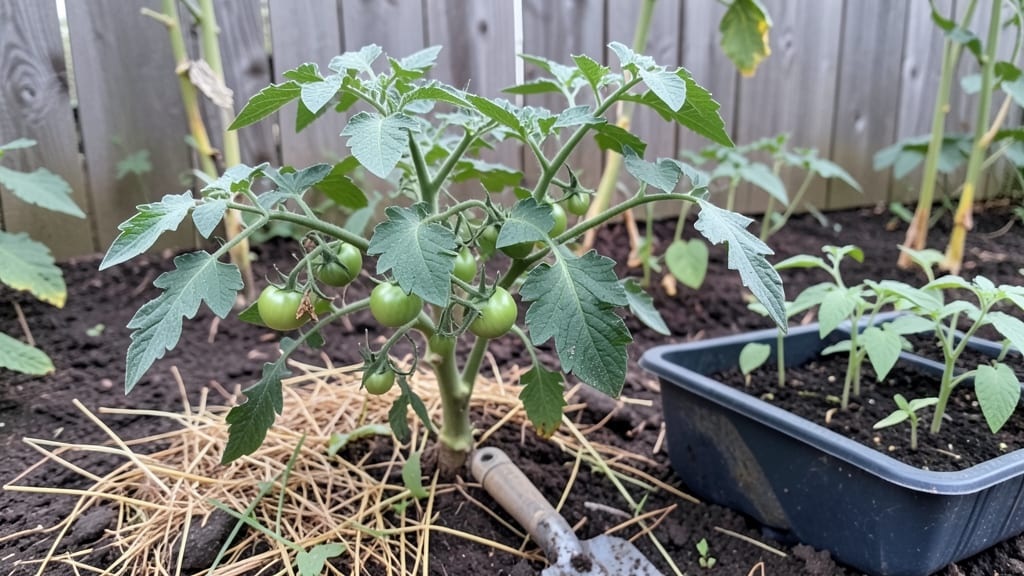
Vegetable growing zones determine which plants thrive in your climate by mapping frost dates and temperature ranges, ensuring optimal harvests. Use the USDA Plant Hardiness Zone Map as a baseline, then adjust for microclimates and specific crop needs like heat-tolerant tomatoes or cold-hardy kale.
Understanding your vegetable growing zones isn't just about picking plants—it's about unlocking their full potential by matching them to your local climate patterns.
The USDA map provides a starting point, but real-world factors like elevation, soil quality, and nearby water bodies create unique microclimates that can shift your effective zone by one or more levels.
For example, a Zone 5 gardener might successfully grow peppers in a sunny south-facing microclimate, while a Zone 9 gardener might struggle with the same crop in a shaded, windy area. 🌱
What truly sets successful gardeners apart is their ability to combine zone knowledge with practical adjustments. Planting cold-hardy varieties like spinach or broccoli in early spring for Zones 3–5 maximizes short growing seasons, while extending seasons with row covers or cold frames adds weeks to the harvest window.
Meanwhile, heat-loving crops like okra or sweet potatoes thrive in Zones 7–11 where frost is rare or nonexistent. The key is treating your zone as a guideline, not a limitation.
💡 In This Article
- How USDA Plant Hardiness Zones Impact Vegetable Selection
- Best Vegetables for Each Major Growing Zone Guide
How USDA plant hardiness Zones impact vegetable selection
The USDA Plant Hardiness Zone Map divides North America into 13 zones based on the average annual minimum temperature, measured over a 30-year period. Each zone represents a 10°F difference—for example, Zone 5 ranges from -20°F to -10°F, while Zone 9 spans 20°F to 30°F.
This classification helps gardeners predict which vegetables can survive winter temperatures, but it’s just the starting point. The map doesn’t account for frost-free days, which are critical for warm-season crops like tomatoes or peppers that need 120–150 days without frost to mature.
Frost-free days are the real game-changer for vegetable selection. In Zone 3 (e.g., Minneapolis), gardeners might have only 90–120 frost-free days, making it nearly impossible to grow heat-loving crops like sweet potatoes or eggplants.
Meanwhile, in Zone 10 (e.g., Miami), frost is rare, allowing year-round planting of tropical vegetables like okra or yams. The difference isn’t just about temperature—it’s about the length of the growing window.
For example, lettuce can bolt (go to seed prematurely) in 70°F+ temperatures, so it thrives in cooler Zones 1–6 but struggles in Zones 7–11 without shade or irrigation.
Here’s what this means for your garden: Cool-season crops like kale, spinach, and peas tolerate (or even prefer) temperatures down to 20°F, making them ideal for Zones 1–5. In contrast, warm-season crops like peppers, cucumbers, and melons need soil temperatures above 60°F to germinate and won’t survive frost.
That’s why a Zone 4 gardener might grow peppers in containers and bring them indoors during cold snaps, while a Zone 8 gardener can plant them directly in the ground year-round.
Microclimates add another layer of complexity. A south-facing wall or a greenhouse can turn a Zone 5 yard into a Zone 7 microclimate for specific plants.
For instance, I’ve seen tomatoes thrive in Zone 4b when grown against a brick wall, where the masonry absorbs heat during the day and radiates it at night. Conversely, low-lying areas or shaded spots can mimic a cooler zone, even if your official zone is higher.
This is why gardeners in Zone 6 might struggle with peppers in a shady corner but grow them successfully just a few feet away in full sun.
Seasonal adjustments are equally important. In Zones 1–4, gardeners rely on succession planting—sowing fast-growing crops like radishes or lettuce every 2–3 weeks to stretch the harvest.
In Zones 7–11, the challenge shifts to managing heat stress; crops like basil or beans may need afternoon shade to prevent wilting.
Even within a single zone, elevation plays a role: Zone 6 at sea level might have 150 frost-free days, while the same zone at 5,000 feet could drop to 120 days due to cooler nighttime temperatures.
The science behind these zones isn’t just about survival—it’s about optimal growth. For example, broccoli grows best when temperatures stay between 60°F and 70°F. In Zone 8, planting it in late summer can lead to bitter, woody stalks because the heat triggers bolting.
Understanding these ranges helps you time plantings for peak flavor and yield. 🌿 For instance, carrots grown in Zone 5 during cool spring or fall weather develop sweeter roots than those forced to grow in 80°F+ summer heat.
Ultimately, your zone is a tool—not a rulebook. The most successful gardeners treat it as a starting point, then fine-tune based on their local conditions.
Whether you’re extending a short season with row covers or protecting heat-sensitive crops from summer scorching, the goal is to align your planting schedule with the natural rhythms of your climate. That’s how you turn a zone into a thriving garden.