
Pruning
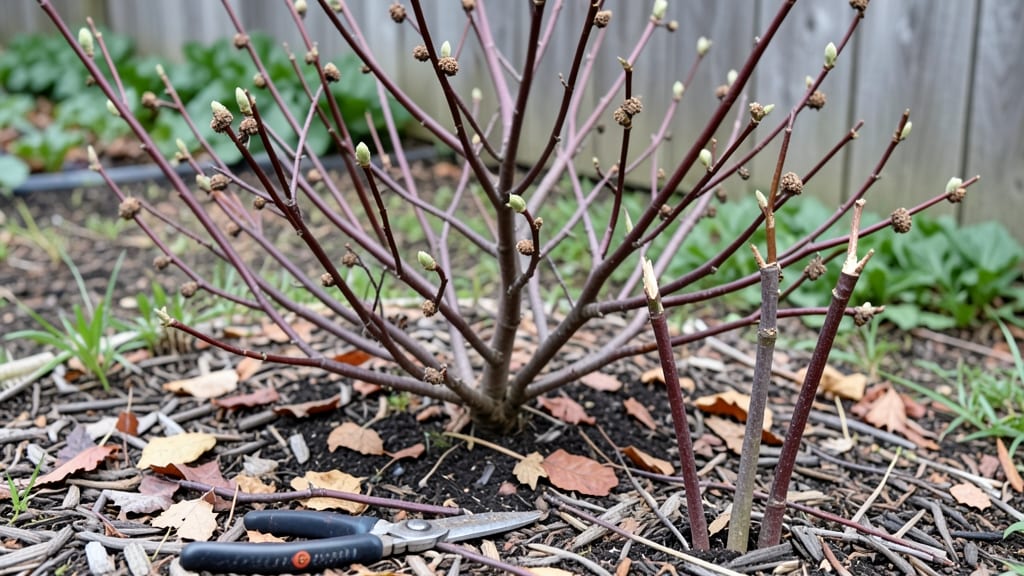
Pruning your viburnum shrub isn't rocket science—just three strategic cuts keep it lush and blooming for years. 🌿 I’ve been pruning mine for five seasons, and the difference between a wild tangle and a showstopper shrub comes down to timing, technique, and a few sharp tools.
The best part? You’ll see new growth within weeks, with fewer pests and more flowers than ever before.
Most people overthink this—it’s not about perfect symmetry, but about removing dead wood, thinning crowded branches, and encouraging airflow. Grab a pair of clean bypass pruners, wear gloves (those thorns don’t play nice), and work on a dry, sunny morning when the plant’s energy is high.
Even if your viburnum looks like a mess now, we’ll turn it around with just a few focused cuts.
By summer’s end, your shrub will be denser, healthier, and bursting with blooms—no more leggy branches or sparse foliage. The key is pruning at the right time for your variety: spring for flowering types like Viburnum plicatum, winter for Viburnum bodnantense.
I’ll walk you through exactly where to cut and what to avoid, so you skip the guesswork and get results that last.
This method works for all viburnum types, from dwarf varieties to towering specimens, and even fixes overgrown shrubs. Let’s get started—your viburnum’s best years are ahead, and it all begins with a few simple cuts.
📚 In This Guide
- What you need
- Instructions
- Tips and common mistakes
- Wrapping up and next steps
What you need
- ● Pruning shears (bypass or anvil type) – Choose sharp, clean shears (4–6" blade) for clean cuts on small stems.
- ● Loppers (for thicker branches) – 8–10" bypass loppers for stems up to 1.5" in diameter.
- ● Pruning saw (for thick, woody growth) – A curved-tooth saw for branches over 2" thick.
- ● Garden gloves – Heavy-duty, cut-resistant gloves to protect your hands from thorns.
- ● Disinfectant (70% isopropyl alcohol or bleach solution) – 1 part bleach to 9 parts water to sterilize tools between cuts.
- ● Rag or paper towels – For wiping tools and cleaning sap.
- ● Garden twine or zip ties – To secure heavy branches during pruning.
- ○ Wheelbarrow or bucket – For collecting debris (optional but handy!).
- ● Hand pruners with ratcheting mechanism – For easier cutting on stubborn branches.
- ● Extension pole pruners – If your viburnum is tall (reaches up to 10–12'!).
- ● Plant sealant (pruning wax) – To protect large cuts from disease or pests.
- ● Spray bottle with water – Keeps tools cool and sap from sticking.
- ● Notebook & pen – To sketch your shrub’s shape before pruning (great for beginners!).
How to prune viburnum shrubs for year-round beauty
Here's the straightforward approach I use to keep viburnums lush, flowering, and disease-free with minimal effort.
✂️ Step 1: Clean Up Winter Damage in Late Winter
Grab your pruning shears and start by removing any dead, broken, or diseased branches first. These are easy to spot—they're brown, brittle, or lack leaves. Cut them back to healthy growth, making your cuts at a 45-degree angle just above a bud or branch collar. This is the most critical cut of the year because it prevents pests and diseases from hiding in dead wood.
I always do this in late winter (February or early March) before new growth begins. The shrub is dormant, so it won't bleed sap excessively, and you can see the structure clearly. If you're unsure about a branch, test it by scratching the bark—if it's green underneath, it's still alive and should stay.
✂️ Step 2: Shape and Thin in Early Spring
Once you've removed the dead wood, focus on shaping the shrub to encourage airflow and sunlight penetration. Viburnums respond well to light pruning, so don't overdo it—aim to remove no more than 25% of the plant's total growth in a single season. Start by thinning out crowded branches from the center of the shrub, cutting them back to the base if needed.
Next, trim any branches that are crossing or rubbing against each other. These cuts should be made just outside the branch collar to avoid leaving stubs. You'll see the shrub's natural shape emerge as you work. This step is best done in early spring (March or April), right after the last frost but before the flowers appear. It ensures you don't accidentally prune off next year's blooms.
✂️ Step 3: Light Maintenance After Flowering
After your viburnum finishes flowering, give it a quick once-over to remove any spent blooms and any branches that are growing in odd directions. This is a light maintenance cut—just tidying up, not reshaping. Focus on keeping the shrub's natural form while encouraging new growth. You can also take this opportunity to trim back any overly long branches to maintain the desired height and width.
I do this in late spring or early summer (May or June), after the flowers have faded but before the new growth gets too vigorous. Avoid heavy pruning at this time, as it can reduce next year's flower production. Just a little cleanup keeps the shrub looking neat and encourages healthy new growth for the next season.
✂️ Step 4: Optional Renewal Pruning for Older Shrubs
If your viburnum is older and looking a bit leggy, you can perform a renewal pruning in stages over a few years. This involves cutting back some of the oldest branches to the ground to encourage new, vigorous growth from the base. Choose 3-4 of the oldest branches (usually the largest ones) and cut them back to a strong, healthy bud or branch.
This step is best done in late winter or early spring, just like the first step. It's a more dramatic cut, so I recommend doing it gradually over a few years to avoid shocking the plant. You'll see new growth emerge from the base, rejuvenating the shrub and keeping it full and healthy. It's a great way to give an older viburnum a second wind!
Tips & tricks for perfect viburnum shrub pruning
Here's what nobody tells you about keeping your viburnums thriving with minimal effort—and avoiding those common pruning mistakes that can stress your plants.
Timing is Everything: The late winter timing in Step 1 is your golden window because dormant plants handle pruning like champions. They won't bleed sap excessively, and you can see the structure clearly. I've learned this the hard way—pruning too early in winter can leave branches vulnerable to cold damage, while waiting too long risks encouraging new growth that might get nipped by frost.
The 45-Degree Angle Secret: When making those critical cuts in Step 1, that 45-degree angle isn't just aesthetic—it's about directing water away from the branch collar. Make your cuts just above a bud or branch collar (the swollen area where branches meet the trunk) to promote faster healing. I used to cut straight across and wondered why some branches took forever to heal!
Shape with Purpose: In Step 2, when you're shaping, think of your viburnum like a living sculpture. The goal is to create an open center that lets sunlight and air circulate. This prevents fungal diseases and encourages those beautiful flowers. I always visualize an upside-down cone shape—wide at the base, narrowing slightly toward the top. This natural shape also makes future pruning easier.
Renewal Pruning Strategy: For older shrubs needing renewal pruning in Step 4, spread those 3-4 dramatic cuts over 2-3 years rather than doing them all at once. This gradual approach prevents shock to the plant. I've seen people cut back too many branches at once and end up with a sad, sparse shrub that takes years to recover. Take it slow—your viburnum will thank you with vigorous new growth!
Pro Tips for Viburnum Shrub Pruning
- Here's what nobody tells you about keeping your viburnums thriving with minimal effort—and avoiding those common pruning mistakes that can stress your plants.
- Timing is Everything: The late winter timing in Step 1 is your golden window because dormant plants handle pruning like champions.
- The 45-Degree Angle Secret: When making those critical cuts in Step 1, that 45-degree angle isn't just aesthetic—it's about directing water away from the branch collar.
Frequently asked questions
Got questions about keeping your viburnum shrub pruned like a pro? Here are answers to the most common concerns—so you can avoid over-trimming, boost blooms, and keep your shrub thriving year-round!
When is the best time to prune viburnum shrubs?
The ideal time depends on your viburnum type! For spring-blooming varieties (like Viburnum carlesii), prune right after flowering (late spring/early summer) to avoid cutting off next year’s buds. Summer- or fall-blooming viburnums (like Viburnum dentatum) can be pruned in late winter or early spring before new growth starts. Pro tip: If unsure, check your plant’s label or ask a local nursery!
Can I prune viburnum in winter?
It’s not recommended for most viburnums—especially spring-bloomers—since winter pruning can remove flower buds before they open. However, dormant-season pruning (late winter/early spring) works for summer-fall bloomers or if you’re rejuvenating an overgrown shrub. If you must prune in winter, do it mildly and avoid heavy cuts. Warning: Pruning too late in winter risks frost damage to fresh cuts.
Why aren’t my viburnum flowers as big or abundant as before?
Over-pruning or cutting at the wrong time are the top culprits! If you’ve been trimming back old wood (especially in spring-bloomers), you’re likely removing next year’s flower buds. Solution: Focus on shaping cuts and removing dead/diseased branches—never more than 1/3 of the shrub’s volume at once. Bonus: Fertilize lightly in early spring to encourage robust blooms!
How do I revive an overgrown viburnum?
Don’t panic—rejuvenation pruning can save it! In late winter or early spring, cut back 1/3 of the oldest, thickest stems to the ground. Repeat this process over 2–3 years to avoid shocking the plant. For severely neglected shrubs, thin out crossing or rubbing branches first. Pro tip: Water deeply after pruning to reduce stress!
Are there any viburnum varieties that don’t need much pruning?
Yes! Some low-maintenance viburnums thrive with minimal pruning, like Viburnum bodnantense (Winter Beauty) or Viburnum plicatum (Japanese Snowball). These layered-blooming shrubs produce flowers on both old and new wood, so you can lightly shape them in late winter without worrying about bud loss. Best for beginners!
Wrapping up and next steps
Pruning your viburnum shrub doesn’t have to be intimidating—just a few strategic cuts can keep it thriving year-round! 🌿 Whether you’re shaping for aesthetics, boosting blooms, or maintaining health, the key is timing and technique.
With the right tools and a little patience, you’ll enjoy a lush, vibrant shrub that’s the envy of the neighborhood.
Ready to give your viburnum the care it deserves? Grab your pruners, mark your calendar, and take action this season—your shrub (and future garden goals) will thank you! 🌱