
Companion Plants
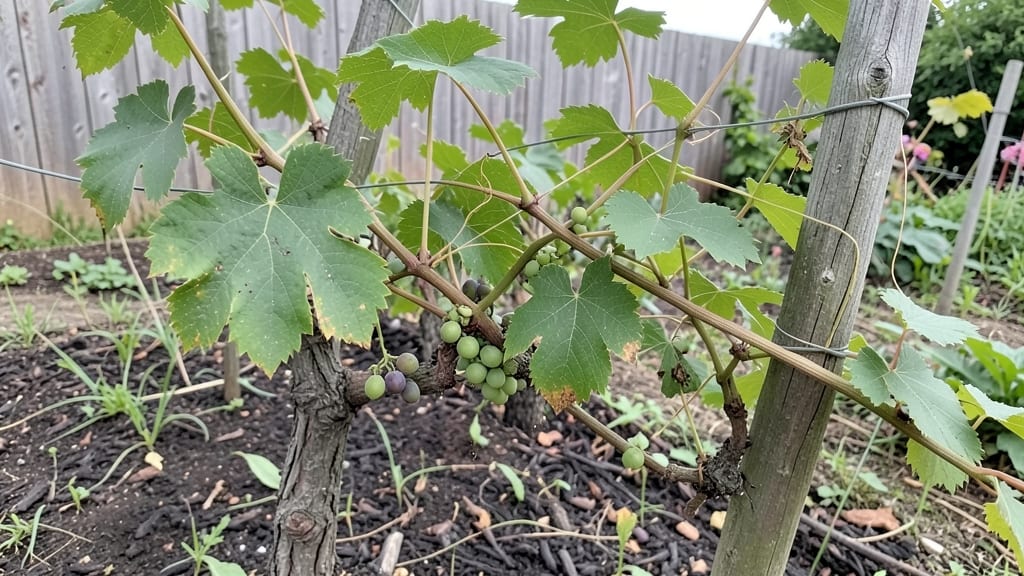
The identification of vine plants starts with a single glance at their leaves or flowers—because each climbing variety has a signature look that tells you everything you need to know. 🌿 I’ve spent years sorting through tangled vines in my garden, and the difference between a harmless morning glory and an invasive kudzu comes down to just a few key details: leaf shape, flower color, and how they cling to surfaces.
The quickest way to learn is by comparing what you see to a few trusted resources: a field guide, a gardening app, or even a quick photo search. My go-to is the free iNaturalist app, where I can snap a picture and get instant matches—plus, it helps track regional differences.
For example, Virginia creeper’s five-pointed leaves are unmistakable, but poison ivy’s three-leaf clusters demand extra caution.
Once you’ve got the ID down, you’ll know exactly which vines to welcome into your garden—like fragrant jasmine or fast-growing clematis—and which to remove before they take over.
Seasonal cues help too: wisteria’s purple blooms in spring or trumpet vine’s orange flowers in summer make them easy to spot when they’re in full display.
Regional rules matter, too. Some vines thrive in your zone, while others are invasive nightmares waiting to happen. A quick check with your local extension office ensures you’re planting the right climbers for your area—and keeping your garden (and neighborhood) happy.
Understanding Vine Growth Triggers
Misidentifying vine plants often stems from not recognizing the environmental and biological factors that influence their growth patterns. Below, we break down the key reasons why vine plants behave the way they do—and how to spot them correctly.
Vine plants are naturally adapted to climb, sprawl, or twine due to their growth habits, which are genetically programmed. Some common biological triggers include:
- Tendril Development: Plants like passionflower (Passiflora) and grapevines (Vitis) produce tendrils—specialized stems or leaf modifications—that coil around supports (like trellises or other plants).
These tendrils are sensitive to touch and grow in response to physical contact, helping the vine anchor itself. - Twining Stems: Vines like morning glory (Ipomoea) and clematis (Clematis) have stems that naturally twist around objects in a clockwise or counterclockwise direction.
This movement is driven by auxin, a plant hormone that regulates growth direction. - Clinging Roots or Adhesive Pads: Some vines, such as English ivy (Hedera helix) or Boston ivy (Parthenocissus tricuspidata), develop rootlets or adhesive pads that latch onto surfaces.
These structures form in response to moisture and rough textures, helping the vine secure itself to walls or trees.
Actionable Tip: 💡 Observe how the vine attaches—does it coil, cling, or sprawl? This behavior is a major clue in identification.
Vines often change their appearance based on their environment, making identification tricky if you don’t account for these factors:
- Light Exposure:
- Low Light: Vines like pothos (Epipremnum) or Swiss cheese plant (Monstera) may develop larger leaves with fewer holes (variegation fades) when deprived of sunlight.
- Direct Sun: Vines such as wisteria (Wisteria) or jasmine (Jasminum) grow thicker, tougher leaves and may produce more flowers to maximize photosynthesis.
- Water Availability:
- Drought Conditions: Vines like bougainvillea (Bougainvillea) may shed leaves or develop thicker, waxy coatings to retain moisture.
- Overwatering: Roots of grapevines (Vitis) or kiwi (Actinidia) can become waterlogged, leading to yellowing leaves (chlorosis) or root rot, which alters growth patterns.
- Temperature Fluctuations:
- Cold Stress: Tropical vines like monstera may drop leaves or grow slower in cooler climates, mimicking a different species.
- Heat Stress: Desert-adapted vines such as sand vine (Ipomoea pes-caprae) develop succulent-like stems to store water.
Actionable Tip: ✨ Check the leaf texture, color, and growth rate—these change based on light, water, and temperature. A vine in full sun may look entirely different from one in shade.
Vines don’t grow in isolation—they interact with their surroundings, which can alter their appearance:
- Host Plant Influence: - Parasitic Vines: Plants like dodder (Cuscuta) or mistletoe (Viscum) attach to host plants (trees or shrubs) and steal nutrients, causing them to look stunted or deformed. - Support Structures: Vines climbing trellises vs. trees may develop different leaf shapes due to light exposure and wind resistance.
For example, clematis on a trellis grows upward with larger, showier blooms, while the same vine on a tree may sprawl with smaller leaves. - Soil Nutrients: - Nitrogen-Rich Soil: Vines like hops (Humulus lupulus) grow faster and leafier but may produce fewer flowers. - Phosphorus Deficiency: Some vines develop purple-tinged leaves (a stress signal), making them resemble a different species.
Actionable Tip: 🔍 Examine the surroundings—is the vine climbing a tree, fence, or trellis? Is it crowding other plants? These clues help narrow down the species.
Unseen threats can drastically alter a vine’s appearance, leading to misidentification:
- Insect Damage:
- Aphids or Spider Mites: Cause yellowing, curling, or stunted growth (e.g., grapevine leaves may look like those of a different species if infested).
- Borers or Beetles: Create holes or tunnels in stems (common in wisteria or rose vines), making them look diseased.
- Fungal Infections:
- Powdery Mildew: Leaves develop a white, powdery coating (seen in cucumbers or morning glory vines).
- Root Rot: Causes wilting, blackened stems, and leaf drop (affects kiwi or passionflower vines).
- Viral Infections:
- Mosaic Virus: Leads to irregular leaf patterns (e.g., tobacco mosaic virus in grapevines).
Actionable Tip: 🦟 Inspect both sides of leaves and stems closely—pests and diseases distort natural features, making ID harder.
How a vine is grown or pruned can change its form significantly:
- Pruning Techniques:
- Over-Pruning: Can lead to sparse growth (e.g., clematis may look like a different vine if not pruned correctly).
- Under-Pruning: Causes overgrowth, tangled vines, or fewer flowers (common in jasmine or wisteria).
- Fertilizer Use:
- Excess Nitrogen: Promotes leafy growth but fewer flowers (e.g., bougainvillea may look like a foliage plant instead of a blooming vine).
- Balanced Fertilizer: Encourages healthy blooms and compact growth (ideal for morning glory or sweet pea vines).
- Container vs. Garden Growth:
- Potted Vines: Often grow smaller and slower (e.g., pothos in a pot vs. sprawling in a garden).
- Ground Cover vs. Climbing: Some vines (like creeping fig) may sprawl if not given support, mimicking a ground cover plant.
Actionable Tip: 🌿 Consider how the vine is being cared for—pruning, fertilizing, and container size dramatically affect its appearance.
Fixing Common Vine Plant Problems
Now that you’ve identified your vine plants, the next step is addressing any issues they might face—whether it’s pests, diseases, or growth challenges. Below are practical, step-by-step solutions tailored to common problems, along with prevention tips to keep your vines thriving. 🌿🔧
Pests like aphids, spider mites, or whiteflies can drain the life out of your vines. Here’s how to tackle them:
🔥 Identify the Pest First
- Aphids: Tiny green/black bugs clustered on new growth.
- Spider Mites: Tiny red/yellow dots with fine webbing.
- Whiteflies: Small white moth-like insects fluttering when disturbed.
🍳 Natural Remedies (Safe & Effective)
- Neem Oil Spray 🌿
- Mix 1 tsp neem oil + 1 tsp mild soap + 1 quart water.
- Spray directly on pests (especially undersides of leaves) every 5–7 days until gone.
- Pro Tip: Apply in the early morning or evening to avoid harming beneficial insects.
- Insecticidal Soap 🧼
- Use a store-bought or homemade (1 tbsp castile soap + 1 quart water) spray.
- Target soft-bodied pests like aphids and mites.
- Caution: Test on a small leaf first—some plants (like ivy) are sensitive.
- Introduce Predatory Bugs 🐞
- Ladybugs eat aphids; lacewings devour mites. Buy them online or attract them with dill or fennel plants.
💡 Prevention Tips
- Inspect new plants before bringing them home (quarantine for 2 weeks).
- Encourage biodiversity—birds and predatory insects keep pests in check.
- Prune regularly to improve airflow and reduce hiding spots.
Overwatering or poor airflow can lead to powdery mildew, black spot, or root rot. Act fast!
👨🍳 Clean Up & Improve Airflow
- Remove Infected Leaves ❌
- Snip off yellowing or spotted leaves with sterilized scissors (wipe with rubbing alcohol).
- Don’t compost them—bag and toss to prevent spread.
- Adjust Watering Habits 💧
- Water at the base (avoid wetting leaves) and use drip irrigation if possible.
- Morning watering allows foliage to dry quickly.
- Fungicide Sprays 🛡️
- Baking soda spray: 1 tsp baking soda + 1 quart water + a drop of soap (spray every 7–10 days).
- Copper fungicide (for severe cases like black spot).
🌡️ Prevention Tips
- Space vines properly (3–6 feet apart for good airflow).
- Avoid overhead watering—use a soaker hose instead.
- Rotate crops if growing edible vines (like grapes) to prevent soil-borne diseases.
If your vine isn’t thriving, it could be nutrient-deficient, root-bound, or stressed.
🔪 Diagnose the Issue
| Symptom | Likely Cause | Quick Fix |
|---|---|---|
| Yellow leaves (bottom-up) | Nitrogen deficiency | Fertilize with balanced 10-10-10 or compost tea. |
| Weak stems, slow growth | Phosphorus deficiency | Use a bone meal or rock phosphate supplement. |
| Curling leaves | Potassium deficiency | Apply wood ash or banana peel tea. |
| Roots circling pot | Root-bound | Repot in spring with fresh soil. |
⏰ Seasonal Care Tips
- Spring: Fertilize with slow-release granules (like 10-10-10).
- Summer: Mulch heavily to retain moisture and cool roots.
- Fall: Reduce watering and prune dead growth before winter.
✨ Prevention Tips
- Test soil every 2–3 years (pH 6.0–7.0 is ideal for most vines).
- Use well-draining soil (mix in perlite or sand for heavy clay).
- Support vines properly—weak structures cause stress.
✅ Prune annually (early spring) to remove dead wood and encourage new growth. ✅ Train vines along trellises or fences to prevent tangling and disease. ✅ Monitor moisture—most vines hate soggy roots but also drought stress. ✅ Rotate supports if vines outgrow their current structure.
By addressing issues early and proactively, your vine plants will stay healthy, vigorous, and beautiful for years. Happy gardening! 🌱💚
Frequently asked questions about vine plant identification
How can I tell the difference between poison ivy and Virginia creeper?
Poison ivy has three shiny leaves (remember "leaves of three, let it be") while Virginia creeper features five leaflets per cluster with a blue-green tint. The stems also differ—poison ivy’s are smooth and hairless, while Virginia creeper has reddish stems with small tendrils.
What’s the best free app for identifying vine plants?
Try iNaturalist or PictureThis—both let you upload photos for instant matches. For offline use, download the USDA Plants Database app, which includes detailed guides for regional vines. Always check for invasive species in your area!
Why does my vine look different from the photos in my guidebook?
Light, water, and soil conditions change vine appearances! For example, morning glory grows larger leaves in shade but smaller ones in full sun. Check for pests, diseases, or pruning effects—these can drastically alter how a vine looks compared to reference images.
Are there any vines I should never plant due to invasiveness?
Absolutely—kudzu, English ivy, and Japanese honeysuckle are notorious invaders. Always check your local agricultural extension office before planting. For example, wisteria is beautiful but can strangle trees if unchecked.
How do I identify a vine by its flowers alone?
Start with color, shape, and timing: Wisteria has fragrant purple clusters in spring, while trumpet vine blooms orange-red in summer. Clematis flowers vary wildly—bell-shaped (Group 1) or star-like (Group 2)—so note their structure. Compare to a flower field guide or app.