
Pests
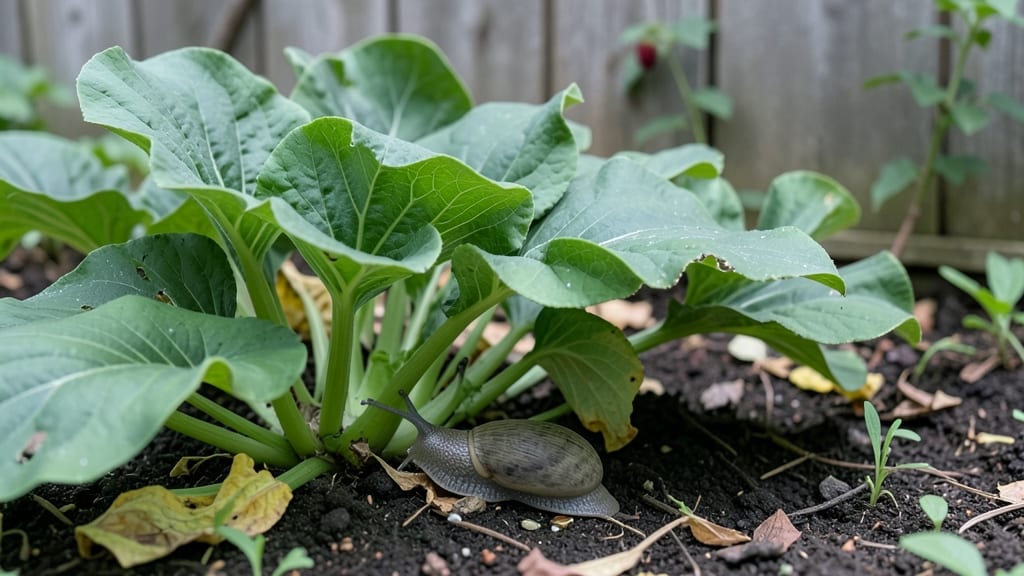
These leaf-munching pests don't just target hostas—they're drawn to tender, moisture-rich foliage, making your garden a prime buffet. 🔥 Deer and rabbits typically take large, ragged bites from the edges, while slugs and snails leave behind slime trails and irregular holes.
Insect larvae, on the other hand, create distinctive notched or skeletonized patterns. The damage often peaks during spring and summer when both pests and hostas are most active, so early intervention is your best ally.
Understanding the specific culprit isn't just about identifying the damage—it's about choosing the right defense. For example, copper barriers work wonders against slugs and snails, while deer repellents need to be reapplied after rain.
The key is combining multiple strategies to create a hostile environment for these pests while keeping your hostas thriving.
💡 In This Article
- Identifying Hosta Leaf Predators by Damage Patterns
- Natural and Chemical Solutions to Protect Hostas
Identifying hosta leaf predators by damage patterns
Here's what's actually happening when you find chewed hosta leaves: each predator leaves a unique signature. Slugs and snails create irregular, jagged holes with smooth edges—often accompanied by silvery slime trails that glisten in morning light.
These pests target the softer leaf tissue, leaving behind a lacy pattern that looks like someone used pinking shears. 🌿 The key factor is their nocturnal activity; damage appears overnight when humidity is high, typically between 80-90% relative humidity during spring and fall.
Deer and rabbits, on the other hand, take large, clean bites from leaf edges—almost like someone used a 1-inch diameter cookie cutter. The damage often occurs in broad daylight, especially at dawn or dusk when these herbivores are most active.
What makes their feeding patterns distinctive is how they strip entire leaves, leaving only the midrib or petiole attached. These animals can consume up to 20% of a plant's foliage per night during peak seasons (late spring to early summer).
Insect larvae like cutworms and sawfly larvae create entirely different damage patterns. Cutworms leave behind notched or semicircular holes along leaf edges, while sawfly larvae skeletonize leaves by eating between the veins, leaving the structure intact but looking like a window screen.
These pests are most active during late spring to early summer, when hosta plants are in their most tender growth phase. The larvae often hide in soil during the day and emerge to feed under cover of darkness.
Seasonal activity peaks provide crucial clues for timing your defenses. Slug and snail populations surge after rainfall events (especially in spring and fall), while deer and rabbit activity peaks during new plant growth periods (April-May).
Insect larvae, however, follow a different pattern—cutworms appear in late spring while sawfly larvae typically emerge in early summer after hosta plants have established new growth. Understanding these patterns helps you apply preventative measures at the right time.
What most people don't realize is how temperature affects predator activity. Slugs and snails become most active when soil temperatures stay above 50°F at night, while deer and rabbits are most destructive when daytime temperatures range between 60-75°F.
This is why damage often appears worse during shoulder seasons when nights are cool but days warm up. Insect larvae, meanwhile, prefer 70-80°F daytime temperatures for optimal feeding and growth.
For the most accurate identification, examine both the damage pattern and the surrounding environment. Look for slime trails near chewed edges for slugs/snails, large bite marks at plant bases for deer/rabbits, or fine webbing between leaves for sawfly larvae.
The time of year and recent weather patterns can confirm your visual assessment—this is how you create a complete picture of who's dining on your hostas. 🌱