
Shrubs
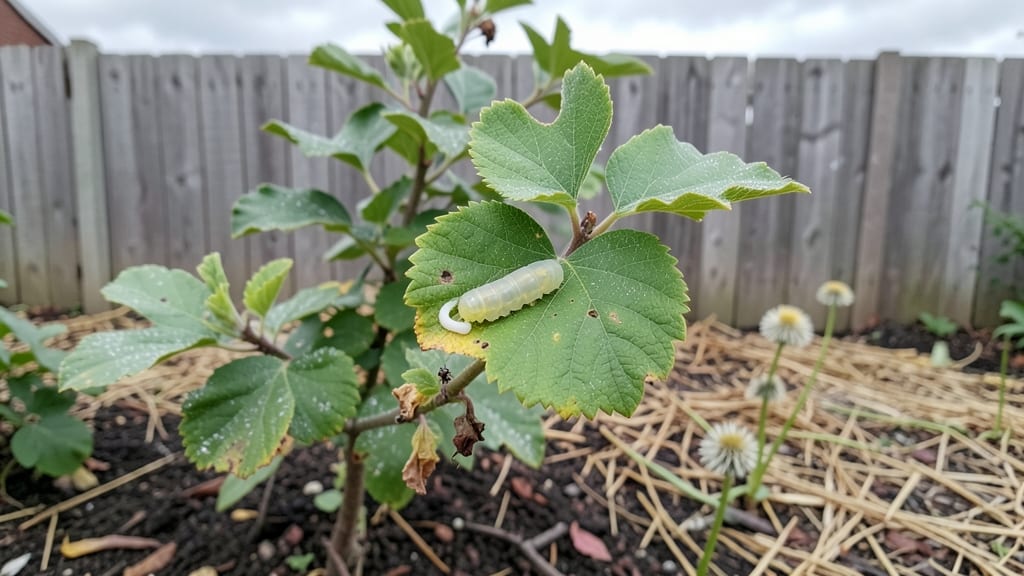
My shrubs were getting devoured before I realized what was eating them—turns out, deer, rabbits, and even insects see them as all-you-can-eat buffets. 🌿 The good news? Some edible flowers and herbs actually thrive when planted nearby, acting as natural pest deterrents while adding beauty to your yard.
Deer and rabbits target tender new growth, leaving jagged edges on leaves, while insects like aphids or Japanese beetles skeletonize foliage. I learned the hard way that fencing alone isn’t enough—you need a layered approach.
Planting lavender, marigolds, or rosemary around shrubs confuses pests and masks their scent, making your plants less appealing.
You’ll see fewer chewed leaves and more blooms within a season if you combine physical barriers with these companion plants. The herbs also give you fresh culinary options, so it’s a win-win. Start with a few high-impact varieties like thyme or nasturtiums for the best results.
This works in most climates, though deer pressure varies by region—urban areas see less damage than rural spots. The key is consistency: pests learn patterns, so rotate deterrents seasonally. Your shrubs will thank you with lush, pest-free growth.
Natural Grazers and Their Habits
Shrubs may seem like hardy, low-maintenance plants, but they’re actually a delicious buffet for wildlife—and even some unexpected garden guests. Understanding why shrubs get munched down requires peering into the behaviors, biology, and survival strategies of their most common consumers.
From hungry herbivores to opportunistic pests, these creatures target shrubs for nutritional, territorial, or reproductive reasons. Here’s a breakdown of the key drivers behind shrub snacking:
Large mammals like deer, rabbits, and goats are the professional shrub connoisseurs of the garden world. Their diets are driven by nutritional needs, population density, and seasonal availability. Here’s how they decide which shrubs to feast on:
- 🌿 Protein and Fiber Hunger
- Shrubs like boxwood, lilac, and holly are rich in cellulose and secondary compounds (like tannins), which provide fiber and slow-digesting energy—ideal for herbivores with specialized gut microbiomes.
- Example: Deer prefer young, tender shoots because they’re easier to digest and packed with nitrogen, which supports muscle growth during mating season.
- 🌱 Seasonal Feasting
- In late winter and early spring, when fresh grass is scarce, deer and rabbits turn to shrubs for high-moisture, nutrient-dense greens.
- Pro Tip:💡 If you notice new growth being stripped in early spring, it’s a sign these animals are targeting your shrubs for survival food.
- 🏡 Territory and Foraging Routes
- Animals like rabbits create well-worn paths to their favorite shrubs, often returning to the same spots. This is why some plants get systematically defoliated while others nearby survive.
While mammals make dramatic bites, insects and larvae are the stealthy shrub thieves, often going unnoticed until the damage is done. Their feeding habits are tied to reproduction, survival, and plant chemistry:
- 🐛 Larval Munching: The Hidden Devourers
- Caterpillars (like those from gypsy moths or tent caterpillars) target shrubs because their leaves are soft and high in water content, perfect for rapid growth.
- Example: Japanese beetles prefer roses and hydrangeas but will skeletonize leaves of shrubs like privet and spirea, leaving a lacy, half-eaten appearance.
- 🐜 Sap-Sucking Pests: The Slow Drain
- Aphids, scale, and spider mites don’t eat entire shrubs—but their piercing-sucking mouthparts extract sap, weakening plants over time.
- Why It Happens: These pests are drawn to new growth and tender leaves because they’re easier to penetrate and contain more sugars.
- 🐝 Pollinators Gone Rogue
- While bees and butterflies are usually beneficial, some species (like sawfly larvae) defoliate shrubs entirely in a matter of days. Their feeding is often cyclical and explosive, tied to brood cycles.
Mice, voles, and squirrels are the sneaky shrub thieves of the garden, often working under cover of darkness. Their habits are driven by food storage, survival, and territorial marking:
- 🐭 Gnawing for Survival
- Rodents like voles and mice gnaw bark and stems in winter when other food is scarce. This girdling (ringing the stem) can kill shrubs by cutting off nutrient flow.
- Why It Happens: Their teeth grow continuously, so they must chew constantly—even if it means stripping your shrubs.
- 🐿️ Squirrel Stashers
- Squirrels don’t just eat berries—they cache excess food by burying or dragging shrub branches (like dogwood or viburnum) to hidden spots.
- Actionable Insight: If you find uneaten shrub clippings scattered near your garden, a squirrel may be prepping a winter pantry.
- 🌙 Nocturnal Feeding Patterns
- Many small mammals are most active at dawn and dusk, which is why shrubs near wooded edges or dense ground cover are high-risk targets.
Sometimes, the biggest shrub predators aren’t wildlife—they’re us (or our pets). Accidental damage, poor pruning, or even over-fertilization can make shrubs more vulnerable to pests:
- 🌿 Over-Fertilization Weakens Defenses
- Too much nitrogen makes shrubs soft and tender, making them more appealing to deer and insects.
- Fix It: Use a balanced fertilizer (10-10-10) and mulch properly to avoid attracting pests.
- 🐕 Pet Damage: The Unintended Chewers
- Dogs and cats gnaw on shrubs out of boredom, curiosity, or even nutritional deficiencies (like a lack of fiber).
- Signs to Watch For: Irregular bite marks (not clean, like deer) and soil disturbance from digging.
- 🔪 Poor Pruning Invites Invaders
- Over-pruning (especially in late summer) stresses shrubs, making them more susceptible to disease and pest attacks.
- Rule of Thumb: Never remove more than 1/3 of a shrub’s foliage at once.
Protecting Your Shrubs Naturally
If your shrubs are becoming a buffet for hungry critters, don’t panic—there are plenty of effective, low-toxicity ways to keep them safe. The key is identifying the culprit first, then applying targeted solutions. Below, we’ve mapped common causes to practical fixes, plus prevention tips to keep your greenery thriving.
Deer and rabbits are notorious for nibbling on tender shrubs, especially in early spring when food is scarce. Since these animals are persistent, you’ll need a multi-layered approach.
- 🔥 Install a sturdy fence: A fence at least 8 feet tall (for deer) or 2–3 feet tall (for rabbits) with tight mesh (1-inch or smaller) will block access. Bury the bottom 6 inches deep to deter digging.
- 🍳 Use repellents: Spray shrubs with commercial deer repellents (like Liquid Fence) or make a homemade version with rotten eggs, garlic, or hot peppers. Reapply after rain.
- 🌿 Plant sacrificial barriers: Surround shrubs with deer-resistant plants like boxwood, barberry, or Russian olive to distract browsers.
💡 Pro Tip: Motion-activated sprinklers can startle deer and rabbits away—just place them near high-risk areas.
Small rodents like voles and mice gnaw at the base of shrubs, often leaving jagged bites. Since they tunnel underground, traditional traps won’t always work.
- 👨🍳 Set snap traps or live traps: Place them along runways (look for trampled grass or droppings) with bait like apples, peanut butter, or sunflower seeds.
- 🔪 Use poison bait sparingly: If rodents are severe, opt for anticoagulant-free baits (like VoleStop) and place them in protected containers to avoid harming pets.
- 🌡️ Remove hiding spots: Clear tall grass, brush piles, and leaf litter near shrubs—rodents thrive in clutter. Keep mulch 3 inches away from stems.
✨ Prevention: Plant thorny shrubs (like hazelnut or blackberry) as a natural barrier around vulnerable plants.
Caterpillars, beetles, and aphids can defoliate shrubs quickly. The good news? Most insect problems can be managed without harsh chemicals.
- 🥘 Spray with neem oil or insecticidal soap: These disrupt insect life cycles without harming beneficial predators. Apply in the early evening to avoid burning plants.
- 🔪 Introduce predator insects: Ladybugs, lacewings, and parasitic wasps eat aphids and caterpillars. Buy them online or attract them with native flowering plants.
- 🎯 Prune and destroy heavily infested leaves: Bag and dispose of chewed foliage to break the insect life cycle.
💡 Pro Tip: For Japanese beetles, handpick them into soapy water in the morning when they’re sluggish.
If your berry-producing shrubs (like blueberry or currant) are being stripped by birds, physical barriers work best.
- 🔥 Cover with bird netting: Drape fine mesh over shrubs before fruit ripens. Secure edges tightly to prevent birds from perching underneath.
- 🌿 Hang reflective tape or old CDs: The flashing light scares birds away—just tie strips to branches.
- 🎯 Offer alternative food sources: Place a suet feeder or scattered grain away from your shrubs to lure birds elsewhere.
✨ Prevention: Harvest berries as soon as they ripen to reduce temptation.
The strongest defense? Strong, healthy shrubs. Pests target weak or stressed plants, so focus on these basics:
- 💪 Water deeply but infrequently: Overwatering stresses roots, making shrubs more susceptible. Aim for 1–1.5 inches per week.
- 🍎 Fertilize appropriately: Over-fertilizing leads to soft, tasty growth. Use a balanced, slow-release fertilizer in early spring.
- 🌿 Prune regularly: Remove dead or diseased branches to reduce hiding spots for pests.
- 🌡️ Monitor weather patterns: Drought or extreme heat weakens shrubs. Mulch with wood chips to retain moisture.
With the right mix of deterrents, habitat control, and plant health, your shrubs can stay lush—and off the menu. Start with one or two solutions, observe what works, and adjust as needed!
Frequently asked questions
What are the most common animals that eat shrubs in my yard?
The biggest culprits are usually deer, rabbits, and rodents like voles or mice. Deer prefer tender new growth, while rabbits leave clean-cut edges. Insects like Japanese beetles and caterpillars also chew leaves, often leaving behind a lacy pattern. Small mammals may gnaw bark or stems, especially in winter.
How can I tell if deer or rabbits are eating my shrubs?
Deer bites are jagged and irregular, while rabbits leave clean, 45-degree angled cuts—like scissors. Look for these signs: stripped new growth in spring, chewed leaves on upper branches (deer can't reach the ground), or small, precise cuts along stems. Rabbits often target young plants near the ground.
Are there any edible plants that can protect my shrubs?
Planting lavender, rosemary, thyme, or marigolds around your shrubs creates a natural barrier. These herbs mask your shrubs' scent and confuse pests. Nasturtiums also work well—they deter aphids and add vibrant color. Bonus: You get fresh culinary herbs while protecting your landscape!
What's the best way to keep squirrels from digging up my shrubs?
Squirrels often bury or drag shrub branches for winter food. Use chicken wire cages around young plants or plant thorny shrubs like barberry as barriers. Remove any uneaten clippings you find—they're likely squirrel stashes. Motion-activated sprinklers can also scare them away when placed near problem areas.
Will commercial repellents really work against shrub-eating pests?
Yes, but effectiveness depends on the pest. For deer, sprays with rotten egg or garlic scents (like Liquid Fence) work temporarily—reapply after rain. For insects, neem oil or insecticidal soap disrupts their life cycles. The key is consistency: pests learn to avoid unpleasant smells, so rotate repellents seasonally for best results.