
Shrubs
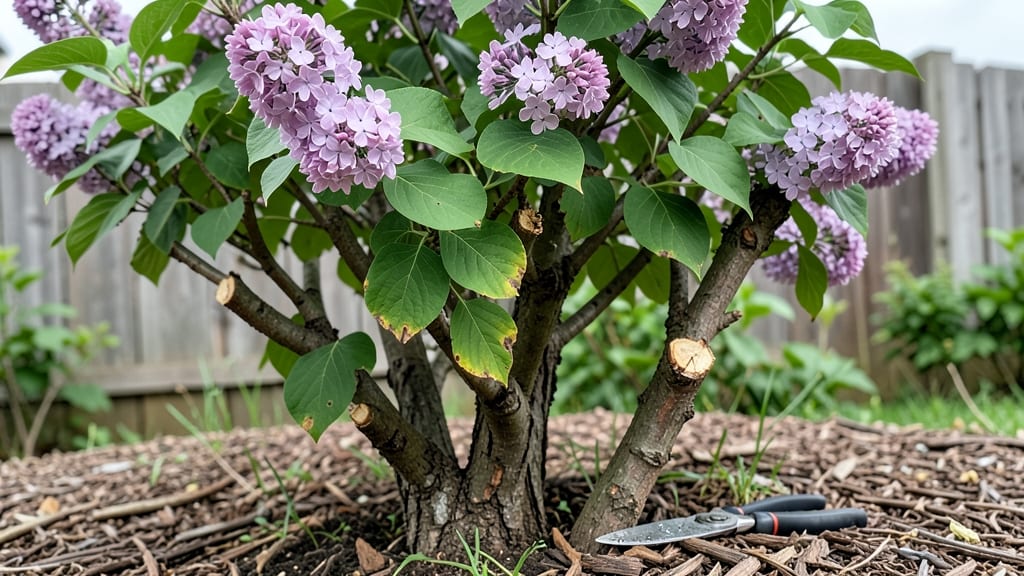
Pruning a lilac shrub at the right time is the key to stronger blooms and healthier growth 🌸—and late winter is when the magic happens.
If your lilac shrubs are struggling to produce vibrant blooms year after year, the answer might lie in timing—pruning at the wrong moment can actually stunt growth and reduce flowers. Discover the exact late-winter window that transforms weak lilacs into lush, flowering powerhouses.
Most gardeners wait until spring, but that’s too late. The best time to prune is after dormancy but before buds swell—usually between February and early March in most regions. This timing ensures your lilac has plenty of energy to fuel next year’s blooms.
In this guide, I’ll walk you through the step-by-step process, including the tools you’ll need, how to shape your shrub correctly, and the common mistakes that can harm your lilac. Let’s get started!
The ideal late-winter pruning window for lilac shrubs
Pruning your lilac shrubs at the right time isn’t just about aesthetics—it’s about plant health and future blooms. The late-winter window is your golden opportunity to shape your lilacs while they’re still dormant but ready to burst into growth.
This precise timing ensures you don’t accidentally cut off next year’s flower buds, which form on old wood during the previous growing season.
Lilacs thrive when pruned after they’ve completed their dormancy cycle but before new growth begins. This typically falls between late February and early March in most USDA Zones 5-7. However, the exact moment depends on your local climate and the first signs of spring.
Missing this window can lead to stunted growth or even no flowers the following season.
Here’s the science behind it: Lilacs produce flower buds on one-year-old wood in late summer and early fall. Pruning too early in winter risks cutting these buds before they’ve fully formed.
Conversely, pruning too late—after buds swell—means you’ll remove next year’s blooms entirely. The key is to act when your lilac is just waking up but hasn’t yet started actively growing.
In colder climates (Zones 3-4), wait until after the last hard frost, usually mid-to-late March. For warmer regions (Zones 8-9), you might start as early as January, but always check for swollen buds or green tips on stems.
These are your cues that it’s time to prune.
If you’re unsure, use the bud test: Look closely at your lilac’s branches. If you see tiny green buds or leafy growth starting, it’s too late to prune.
The ideal time is when branches are still brown and bare, but you can see the silhouette of next year’s buds if you hold a branch up to the light.
Regional adjustments matter because temperature fluctuations can trick lilacs into waking up early. For example, in Pacific Northwest climates, mild winters might mean buds swell by February, while Midwest gardens could wait until April.
Always err on the side of pruning earlier rather than later—you can always do light shaping later in the season.
One common mistake is assuming all shrubs follow the same pruning rules. Lilacs are unique because they bloom on old wood, unlike many shrubs that flower on new growth.
This means aggressive summer pruning (like you’d do for a hydrangea) will leave your lilac bare for years. Late-winter pruning is your chance to reset the plant’s energy without sacrificing next year’s fragrant blooms.
Pro tip: Mark your calendar for 6-8 weeks after your average last frost date. This gives you a 2-week buffer to prune safely. For example, if your last frost is April 15, aim for March 1-15.
Use this time to clean your tools, gather disinfectant, and prepare for a healthier shrub.
Why does timing matter so much? When you prune at the right moment, you encourage stronger root systems and denser foliage. This leads to more abundant blooms and fewer pests because you’re removing dead or diseased wood before the growing season kicks in.
Plus, a well-pruned lilac has better air circulation, reducing the risk of fungal diseases like powdery mildew.
If you miss the late-winter window, don’t panic. You can still prune in early spring (April), but focus only on removing dead wood and light shaping. Avoid heavy pruning until next winter. For severe overgrowth, spread cuts over 2-3 years to avoid shocking the plant.
Remember, lilacs are perennial powerhouses that can live for decades with proper care. By mastering the late-winter pruning window, you’re investing in years of fragrant blooms and lush foliage. Now grab your pruners and get ready to transform your lilacs into flowering showstoppers!
🌸