
Shrubs
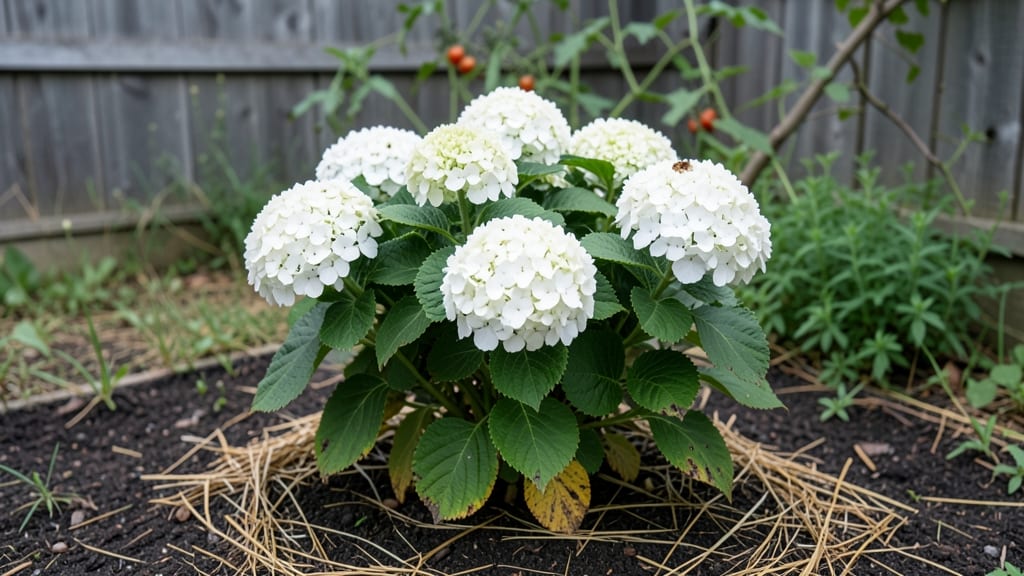
Mastering white flowering shrub identification is half the battle—once you know what you're looking at, keeping them blooming year-round becomes a game-changer. 🌿 I spent years admiring my neighbors' lush white blooms before... realizing most were either hydrangeas, lilacs, or dogwoods, each with their own pruning quirks that determine whether they put on a show or flop.
The real magic happens when you match the shrub to its perfect spot: hydrangeas thrive in partial shade with moist soil, lilacs demand full sun and bloom best when crowded, and dogwoods love dappled light where their bark adds winter interest.
My first mistake was treating them all the same—until I learned how each responds to pruning timing and intensity. The difference between a shrub that blooms sporadically and one that looks like a cloud of white is often just a few strategic cuts.
What you'll end up with is a garden that stays showstopping from spring through fall, with shrubs that complement each other's heights and bloom times. Pair a tall 9-foot hydrangea with a 6-foot lilac for layered drama, then tuck in some 3-foot dogwoods at the front for texture.
The key is knowing which blooms on old wood (like lilacs) and which on new (like hydrangeas)—that's where the pruning secrets come into play.
Works for any garden style, from cottage charm to modern minimalism—just adjust the supporting cast of perennials and annuals to match. Let's turn those mystery shrubs into your garden's star performers.
Understanding Shrub Bloom Color Shifts
If your once-vibrant shrub is now sporting unexpected white blooms instead of its usual color, don’t panic—there’s usually a logical (and fixable!) reason behind it.
Below, we break down the most common causes of white flowering shrubs, from genetics to environmental factors, so you can diagnose the issue like a pro. 🌸🔍
Some shrubs are hardwired to produce white flowers at certain stages of their life cycle. For example:
- Age-related blooms: Many flowering shrubs, like Hydrangea or Weigela, may revert to white flowers as they mature. This isn’t a problem—it’s a natural progression! Young plants often bloom in brighter hues, while older specimens may produce softer, white-tinged flowers due to anthocyanin reduction (the pigments responsible for red/pink tones fading with age).
- Species variations: Some cultivars are bred to produce white flowers as a dominant trait. For instance, Abelia × grandiflora ‘Kaleidoscope’ may shift to white if the plant is stressed or if the soil pH affects pigment production.
Actionable tip: If your shrub’s white blooms run in the family (literally), check its botanical name or consult a local nursery. They can confirm whether this is a normal part of its growth pattern. 📚✨
Soil chemistry plays a huge role in flower color—especially for pH-sensitive shrubs like hydrangeas, azaleas, and some rhododendrons. Here’s how it works:
| Soil pH Level | Effect on Flower Color | Example Shrubs Affected |
|---|---|---|
| Acidic (pH < 6.0) | Enhances blue/purple pigments (anthocyanins). White flowers may appear if aluminum toxicity (from acidic soil) disrupts pigment pathways. | Hydrangea macrophylla, Azalea |
| Neutral (pH 6.0–7.0) | Promotes pink/red hues. White blooms can signal nutrient imbalance (e.g., low phosphorus) or stress. | Weigela, Spirea |
| Alkaline (pH > 7.0) | Can neutralize pigments, turning flowers white or pale. Common in areas with limestone soil. | Hydrangea, Camellia |
Actionable tip: Test your soil’s pH with a simple kit (available at garden centers). If the pH is off, amend the soil with:
- For acid-loving shrubs: Sulfur or peat moss to lower pH.
- For alkaline conditions: Elemental sulfur or pine needles to acidify.
💡 Pro tip: If you’re unsure which shrubs are pH-sensitive, stick to native species—they’re already adapted to your local soil! 🌿
Extreme conditions can force shrubs to revert to white flowers as a survival mechanism. Common stressors include:
- Too much sun: Intense UV rays can bleach pigments (especially in white-petaled flowers with colored centers). Shrubs like Abelia or Pieris may produce all-white blooms if exposed to harsh afternoon sun.
- Drought or overwatering: Water stress disrupts chlorophyll and anthocyanin production, leading to pale or white flowers. Hydrangeas are notorious for this—drooping leaves + white blooms = thirsty plant!
- Temperature swings: Late frosts or heatwaves can shock floral buds, causing them to open as white or malformed blooms. This often happens with Camellias or Rhododendrons.
- Poor drainage: "Root rot" stresses the plant, and its response? White, sparse flowers instead of vibrant ones. Check for soggy soil around the base.
Actionable tip: Adjust care based on the stressor:
- 🌞 Too much sun? Prune nearby trees or add shade cloth (30–50% coverage).
- 💧 Water issues? Water deeply 1–2 times per week (adjust for clay vs. sandy soil). Use mulch to retain moisture.
- ❄️ Frost-sensitive? Cover young buds with frost cloth in late spring.
🔥 Warning: If stress persists, the shrub may skip flowering entirely. Act fast to revive it!
Flowers need a balanced diet of nutrients to produce color. Missing key elements can turn blooms white or pale:
- Low phosphorus (P): Essential for flower development. A deficiency (yellowing leaves, weak stems) can lead to white or under-colored blooms. Common in Spirea or Butterfly Bush.
- Magnesium (Mg) or calcium (Ca) imbalance: These minerals help regulate pigment synthesis. White flowers may appear if the plant can’t absorb enough from the soil.
- Iron (Fe) chlorosis: Yellow leaves with green veins + white flowers? This often signals alkaline soil blocking iron uptake.
Actionable tip: Feed your shrub with:
- 🌱 Slow-release fertilizer (10-10-10 or 5-10-10 NPK ratio) in early spring.
- 🍄 Organic amendments: Bone meal (for phosphorus) or Epsom salt (for magnesium).
- 🔄 Soil test: Identify specific deficiencies before guessing. Many extension offices offer free/low-cost testing!
✨ Pro tip: Compost or well-rotted manure can provide a gentle nutrient boost without risking over-fertilization. 🌱
Now that you know the why, the next step is the how—stay tuned for our pruning and care tips to coax those colorful blooms back! 🌺🔪
How to solve it
If your white flowering shrub isn’t blooming as expected—or worse, is struggling to stay healthy—don’t panic! Most issues have straightforward fixes, and with a little effort, you can restore your shrub to its vibrant, flowering glory.
Below, we’ve broken down common problems and their solutions, so you can diagnose and treat your shrub like a pro.
If you’ve been aggressive with pruning—especially in late summer or fall—your shrub may be sending all its energy into new growth instead of blooming. Some white-flowering shrubs (like Hydrangea or Spiraea) bloom on old wood, meaning last year’s growth is what produces flowers.
Pruning too late can cut off next year’s blooms.
How to Fix It:
🔥 Stop pruning now (if it’s late summer/fall) and wait until early spring for most shrubs. 🍳 Prune correctly next time: For spring bloomers (like Forsythia), prune right after flowering.
For summer bloomers (like Hydrangea), prune in late winter or early spring. 👨🍳 Encourage new growth: Apply a balanced fertilizer (10-10-10) in early spring to stimulate healthy regrowth. ⏰ Deadhead spent blooms (if applicable) to redirect energy to new flowers.
Prevention Tips:
✨ Know your shrub’s blooming habit—check a plant guide or tag for specifics. 💡 Mark pruning seasons on your calendar to avoid mistakes. 🌡️ Avoid "haircut" pruning—shape naturally and never cut more than 1/3 of the shrub at once.
White flowering shrubs like Deutzia or Weigela need consistent moisture but hate soggy roots. Too little water stresses the plant, while too much can lead to root rot and poor flowering.
How to Fix It:
🔥 Check soil moisture—stick your finger 2 inches into the soil. If it’s dry, water deeply. 🍳 Adjust watering schedule: Most shrubs need 1–1.5 inches of water per week (including rain).
Water at the base, not the leaves, to prevent fungal issues. 👨🍳 Improve drainage: Amend heavy clay soil with compost or sand to help roots breathe. ⏰ Mulch properly: Use 2–3 inches of organic mulch (like shredded bark) to retain moisture and regulate temperature.
Prevention Tips:
💡 Group shrubs with similar water needs to simplify care. 🌡️ Install a drip irrigation system for consistent moisture (especially in drought-prone areas). ✨ Avoid watering in the evening—wet foliage overnight can invite pests and disease.
Some white flowering shrubs (like Pieris or Abelia) thrive in partial shade, while others (like Spirea) need full sun. If your shrub isn’t blooming, it might be getting too much shade or scorching in direct sun.
How to Fix It
🔥 Assess sunlight: Most white-flowering shrubs need at least 4–6 hours of sun daily.
If yours is in deep shade, consider transplanting. 🍳 Gradual transition: If moving to a sunnier spot, do it slowly over a few weeks to avoid shock. 👨🍳 Use shade cloth (30–50%) if your shrub prefers partial shade but gets too much harsh sun. ⏰ Prune nearby trees to allow more light to reach your shrub.
Prevention Tips:
💡 Match shrubs to their light needs when planting—check tags or local nursery advice. 🌡️ Observe leaf color: Yellowing in shade? Needs more sun. Brown crispy edges? Too much sun. ✨ Plant windbreaks (like evergreens) to protect from harsh afternoon sun if needed.
Pests like aphids, spider mites, or diseases such as powdery mildew can sap energy from your shrub, reducing—or even stopping—flower production.
How to Fix It:
🔥 Identify the problem:
- Aphids/spider mites: Sticky leaves, tiny webs, or curled foliage.
- Powdery mildew: White fuzzy coating on leaves.
- Scale insects: Brown bumps on stems.
🍳 Treat gently:
- For pests: Spray with neem oil or insecticidal soap (follow label instructions).
- For mildew: Apply baking soda spray (1 tsp baking soda + 1 quart water + a drop of dish soap) weekly.
👨🍳 Encourage beneficial insects: Ladybugs and lacewings eat aphids—plant marigolds nearby to attract them. ⏰ Remove severely infected leaves and dispose of them in the trash (not compost).
Prevention Tips:
💡 Inspect new plants before bringing them home—quarantine for a week if possible. 🌡️ Water at the base to keep foliage dry and deter fungal growth. ✨ Space shrubs properly for airflow—crowded plants invite disease.
With these fixes, your white flowering shrub should bounce back and reward you with lush blooms all season long. The key is observing, adjusting, and acting quickly—before small issues turn into big problems. Happy gardening! 🌸
Frequently asked questions
How can I tell if my white-flowering shrub is healthy?
Healthy shrubs have vibrant green leaves without yellowing or browning. Check for new growth in spring and consistent blooms—if flowers are sparse or leaves are wilting, it may need water, sunlight adjustments, or pruning.
Why do some white-flowering shrubs bloom better in containers?
Containers allow perfect drainage control and soil customization—critical for moisture-sensitive shrubs like hydrangeas. They also warm up faster in spring, encouraging earlier blooms. Just use well-draining potting mix and repot every 2-3 years to refresh nutrients.
What’s the best way to extend blooming season for white shrubs?
Deadhead spent blooms regularly to encourage new growth. For shrubs like spirea or butterfly bush, prune lightly after the first flush of flowers. Use slow-release fertilizer in early spring, and mulch to maintain even soil moisture. Most white bloomers reward consistent care with 3-4 weeks of extra blooms.
Can I mix different white-flowering shrubs in one garden bed?
Yes! Pair tall shrubs (like 9-foot hydrangeas) with mid-height (6-foot lilacs) and low-growing (3-foot abelia) for layered visual interest. Just ensure they share similar sunlight and water needs—grouping them simplifies maintenance.
How do I know if my white shrub needs pruning?
Prune if branches are overcrowded, dead, or crossing. For spring bloomers (like lilacs), prune right after flowering. Summer bloomers (like hydrangeas) should be pruned in late winter. Never cut more than 1/3 of the shrub at once to avoid stress.