
Vegetables
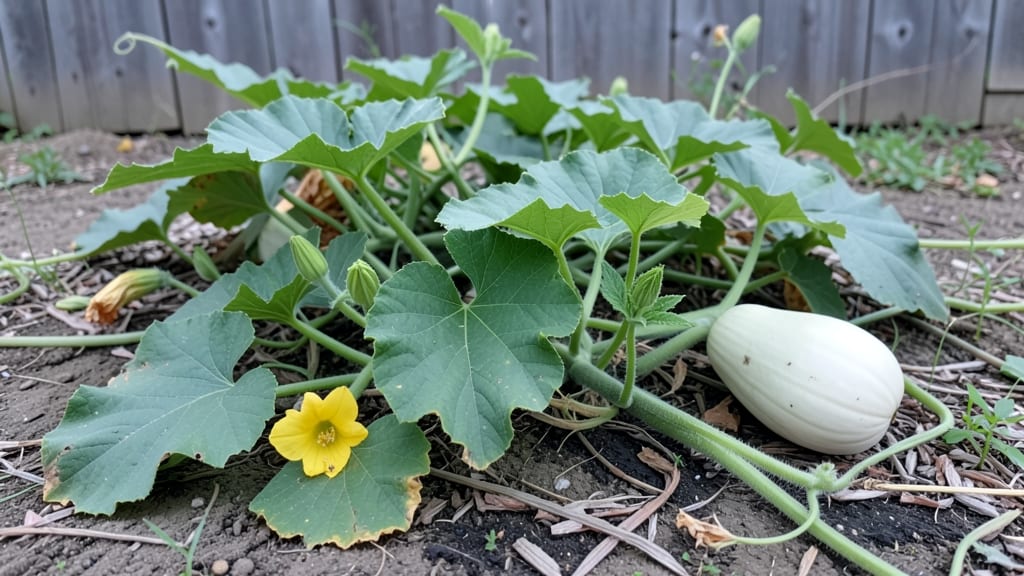
Growing White UFO squash solves the space problem for gardeners with limited room. These compact vines pack serious harvest potential into just a few square feet, making them perfect for balconies, patios, or even large containers.
I discovered them after struggling with sprawling butternut varieties that took over my backyard—now they’re my go-to for fresh, sweet squash without the mess.
The secret to their success lies in their bushy growth habit and shallow roots, which thrive in well-draining soil with consistent moisture. Plant them in full sun (at least 6-8 hours daily) after the last frost, spacing vines 2-3 feet apart.
Unlike their sprawling cousins, White UFOs stay tidy, producing 3-5 pound fruits that ripen in about 80 days—ideal for small gardens or urban growers.
You’ll recognize ripe squash by their creamy white skin and slightly wrinkled texture, a sign they’re packed with sweet, nutty flavor. Harvest before they get too large to avoid tough skin, and store them in a cool, dry place for up to a month.
The best part? These vines produce prolifically, often yielding more than you can handle—perfect for sharing or freezing for winter meals.
Watch for powdery mildew in humid climates and squash bugs, which love to munch on young vines. A simple row cover early in the season or neem oil spray keeps pests at bay.
Whether you’re a balcony gardener or just short on yard space, White UFOs deliver big rewards with minimal fuss.
The Science Behind Pale Squash
If your squash vines are producing pale, discolored fruit that resembles a "white UFO" instead of the rich, deep hues you expected, don’t panic—there’s usually a logical explanation. Understanding the root causes helps you correct the issue and restore vibrant, healthy harvests.
Below, we break down the most common reasons why this happens, complete with actionable science-backed fixes.
Squash plants, like all vegetables, rely on a balanced diet of essential nutrients to thrive. When soil lacks critical elements, the plant compensates by producing pale, underdeveloped fruit. Here’s what’s likely missing:
- Nitrogen (N): Responsible for lush green foliage, nitrogen deficiency often leads to pale leaves and stunted growth. While the plant may still produce fruit, it can appear bleached or "UFO-like" due to poor chlorophyll production. Test your soil—if it’s low in nitrogen, apply a balanced fertilizer (e.g., 10-10-10) or organic amendments like composted manure.
- Magnesium (Mg): A key component of chlorophyll, magnesium deficiency causes interveinal chlorosis (yellowing between leaf veins) and pale, weak fruit. Squash leaves may develop yellow patches, and the fruit can turn a ghostly white. Fix it: Sprinkle Epsom salt (magnesium sulfate) around the base of the plant (1 tablespoon per gallon of water, applied every 2 weeks).
- Zinc (Zn) or Iron (Fe): These micronutrients are crucial for enzyme function and energy production. Deficiencies often result in distorted, pale, or "blotchy" fruit. Action step: Use a chelated iron or zinc supplement (like iron sulfate) and ensure soil pH is between 6.0–7.0—acidic soils (pH < 5.5) lock out these nutrients.
💡 Pro Tip: Conduct a DIY soil test to identify specific deficiencies. If your garden soil is consistently lacking, consider raised beds with nutrient-rich mixes or container gardening with pre-fertilized potting soil.
Squash plants are sun-worshippers—they crave at least 6–8 hours of direct sunlight daily to produce vibrant, flavorful fruit. When deprived, they revert to survival mode, creating pale, underdeveloped squash that looks more like a UFO than a harvest. Here’s how to spot the problem:
- Partial shade: If your squash is growing under trees, near tall buildings, or in a north-facing garden, it’s likely starving for light. Result: Weak vines, small leaves, and fruit that stays pale and stunted.
- Overcrowding: Squash plants compete for sunlight when spaced too closely. Fix: Thin seedlings to 3–4 feet apart (or follow variety-specific spacing guidelines).
- Seasonal shifts: Early or late in the growing season, days may be shorter. Solution: Use reflective mulch (like white plastic) to bounce extra light onto plants.
🌡️ Quick Fix: If you’re growing in containers, move them to a sunnier spot immediately. For in-ground plants, prune nearby shade-casting plants or install a sun-tracking trellis to maximize exposure.
Water stress—whether from drought or overwatering—can turn your squash into a pale, misshapen "UFO." Squash plants need consistent moisture but hate soggy roots. Here’s how to diagnose the issue:
| Symptom | Cause | Solution |
|---|---|---|
| Pale, rubbery fruit with sunken spots | Underwatering (drought stress) | Water deeply 1–2 inches per week, focusing on the root zone. Use drip irrigation to avoid wetting leaves (which can cause disease). |
| Yellowing leaves, pale fruit, and mushy texture | Overwatering (root rot or fungal issues) | Improve drainage by amending soil with perlite or compost. Water only when the top 1–2 inches of soil are dry. |
| Uneven color (pale patches on one side) | Inconsistent watering (e.g., hose spray only wetting half the plant) | Switch to soaker hoses or mulch with straw to retain even moisture. |
✨ Bonus: Mulch with straw or grass clippings to regulate soil temperature and reduce evaporation. Avoid synthetic mulches that can overheat roots.
Pests and pathogens can drain nutrients from your squash, leaving it weak and pale. Common culprits include:
- Squash vine borers: These caterpillars burrow into stems, disrupting nutrient flow and causing wilting or pale, stunted growth. Prevent: Use row covers early in the season or apply Bt (Bacillus thuringiensis) spray.
- Powdery mildew: A fungal disease that coats leaves in white powder, blocking sunlight and starving the fruit. Fix: Spray with a baking soda mix (1 tbsp baking soda + 1 quart water + a drop of dish soap) weekly.
- Aphids or spider mites: These sap-sucking pests weaken plants, leading to pale, curled leaves and poor fruit development. Action: Blast them off with water or introduce ladybugs (natural predators).
🎯 Prevention Tip: Rotate crops yearly to break disease cycles and remove affected leaves immediately to stop spread.
By tackling these root causes—nutrient gaps, sunlight deprivation, water imbalances, or pest pressure—you’ll transform those "white UFOs" into plump, golden squash worthy of your harvest. Monitor your plants closely, and adjust care as needed!
Fixing White Squash Issues Fast
Got unexpected white patches or UFO-shaped squash? Don’t panic—these problems have simple fixes! Below, we’ll break down the most common causes of white squash deformities (including that mysterious "UFO" look) and provide practical, step-by-step solutions to restore healthy growth. Plus, we’ll share prevention tips to keep your plants thriving.
If your squash is turning white, squishy, or developing odd growths, overwatering or compacted soil might be to blame. Too much moisture suffocates roots, leading to fungal issues or nutrient starvation.
How to Fix It:
💧 Step 1: Check the Soil
- Stick your finger 2 inches deep into the soil. If it’s soggy, you’re overwatering.
- Fix: Let the top 1–2 inches dry out between waterings. Use a moisture meter if needed.
🌱 Step 2: Improve Drainage
- Amend heavy or clay soil with compost, perlite, or coarse sand to loosen it.
- Fix: Plant in raised beds or containers with drainage holes if your garden retains too much water.
🔄 Step 3: Adjust Watering Habits
- Water deeply but infrequently—aim for 1–1.5 inches per week (including rain).
- Fix: Water at the base of plants (not leaves) in the early morning to prevent fungal growth.
💡 Prevention Tip:
- Mulch with straw or shredded leaves to retain moisture evenly without drowning roots.
White squash with blossom-end rot (white leathery patches) or UFO-like deformities often lacks calcium. This mineral is crucial for cell wall strength—without it, squash develop weird shapes or white, mushy spots.
How to Fix It:
🥛 Step 1: Boost Calcium
- Fix: Apply crushed eggshells, bone meal, or calcium-rich fertilizer (like 10-10-10 with micronutrients).
- Quick Fix: Mix 1 tbsp crushed eggshells per plant into the soil or make a calcium tea (soak eggshells in water for 24 hours, then use as fertilizer).
💧 Step 2: Ensure Even Moisture
- Fix: Calcium absorbs best in consistently moist (not soggy) soil. Use drip irrigation if needed.
🌱 Step 3: Prevent Blossom-End Rot
- Fix: Harvest squash before they fully mature to avoid stress on the plant.
- Fix: Avoid fluctuating soil moisture—keep it stable!
💡 Prevention Tip:
- Side-dress plants with compost or worm castings every 3–4 weeks for steady nutrients.
Pests like squash bugs, aphids, or cucumber mosaic virus can cause white speckling, curled leaves, or UFO-shaped deformities. These critters suck sap or transmit diseases, stunting growth.
How to Fix It:
🐜 Step 1: Inspect & Remove Pests
- Fix: Handpick squash bugs (look for flat, gray-green ovals under leaves) and drop them in soapy water.
- Fix: Spray neem oil or insecticidal soap on infested areas (especially undersides of leaves).
🌿 Step 2: Use Row Covers Early
- Fix: Install floating row covers at planting to block pests before they arrive.
🔄 Step 3: Rotate Crops & Clean Up
- Fix: Remove all plant debris after harvest to eliminate hiding spots.
- Fix: Rotate crops—don’t plant squash in the same spot next year.
💡 Prevention Tip:
- Plant companion crops like nasturtiums or marigolds to repel pests naturally.
Extreme heat or cold can disrupt pollination or cause abnormal growth patterns, leading to white, blistered, or UFO-like squash.
How to Fix It:
☀️ Step 1: Provide Shade in Heatwaves
- Fix: Use shade cloth (30–50%) if temps exceed 90°F (32°C).
- Fix: Water deeply in the morning to cool roots.
❄️ Step 2: Protect from Late Frosts
- Fix: Use row covers or cloches if frost is forecasted.
- Fix: Plant in warm microclimates (near fences or south-facing walls).
🌱 Step 3: Hand-Pollinate if Needed
- Fix: If flowers aren’t setting fruit, gently transfer pollen with a paintbrush from male to female flowers.
💡 Prevention Tip:
- Choose heat-tolerant varieties like ‘White Bush Scallop’ or ‘Straightneck’ for better resilience.
White fuzzy growths or soft rot on squash often signal powdery mildew, downy mildew, or bacterial soft rot. These thrive in humid, poorly ventilated conditions.
How to Fix It:
🍄 Step 1: Improve Airflow
- Fix: Prune vines to allow 3–4 feet of spacing between plants.
- Fix: Remove crowded leaves to enhance airflow.
💧 Step 2: Treat Fungus Naturally
- Fix: Spray baking soda mix (1 tsp baking soda + 1 quart water + few drops of soap) weekly.
- Fix: Apply copper fungicide for severe cases (follow label instructions).
🧼 Step 3: Sterilize Tools & Soil
- Fix: Disinfect pruners with rubbing alcohol between cuts.
- Fix: Solarize soil (cover with clear plastic for 4–6 weeks) to kill pathogens.
💡 Prevention Tip:
- Water at the base (not overhead) to keep leaves dry and prevent spores from spreading.
| Problem | Fast Fix | Prevent It |
|---|---|---|
| Overwatering | Let soil dry; improve drainage | Mulch + drip irrigation |
| Calcium deficiency | Eggshells + consistent moisture | Side-dress with compost |
| Pest damage | Neem oil + handpick bugs | Row covers + companion plants |
| Temperature stress | Shade cloth + hand-pollinate | Choose heat-tolerant varieties |
| Fungal/bacterial infections | Baking soda spray + prune leaves | Sterilize tools + airflow |
With these fixes, your white UFO squash will soon be straight, healthy, and ready to harvest! 🎉🍠 Keep an eye on your plants, adjust as needed, and enjoy a bountiful, pest-free harvest in even the smallest spaces.
Frequently asked questions about white UFO squash
How much space does White UFO squash really need?
These compact vines thrive in just 2-3 feet of space—perfect for containers or small gardens. Unlike sprawling varieties, they stay tidy while producing 3-5 pound fruits per vine. Just ensure they get full sun (6-8 hours daily) for best results.
When should I plant White UFO squash for maximum yield?
Start seeds indoors 4-6 weeks before your last frost date, or sow directly after soil reaches 60°F (15°C). They mature in about 80 days, so aim for early summer planting in most climates. For extended harvests, succession plant every 2 weeks until 6 weeks before your first fall frost.
What's the best way to tell when White UFO squash is ripe?
Look for a creamy white skin with slightly wrinkled texture—this signals peak sweetness. The stem should separate cleanly from the fruit when gently twisted. Harvest before they get too large (6-8 inches long) to maintain tender flesh. Store in a cool, dry place for up to 1 month or freeze for later use.
How do I prevent powdery mildew on White UFO squash?
This variety is relatively resistant, but in humid climates, use these tips: Space plants 3-4 feet apart for airflow, water at soil level (not leaves), and apply a baking soda spray (1 tbsp baking soda + 1 quart water + drop of soap) weekly as prevention. Remove affected leaves immediately to stop spread.
Can I grow White UFO squash in containers?
Choose a container at least 12 inches deep and 18 inches wide with drainage holes. Use well-draining potting mix and fertilize every 2-3 weeks with balanced fertilizer. Place in full sun and expect 2-3 fruits per container—ideal for balconies or patios.