
Shrubs
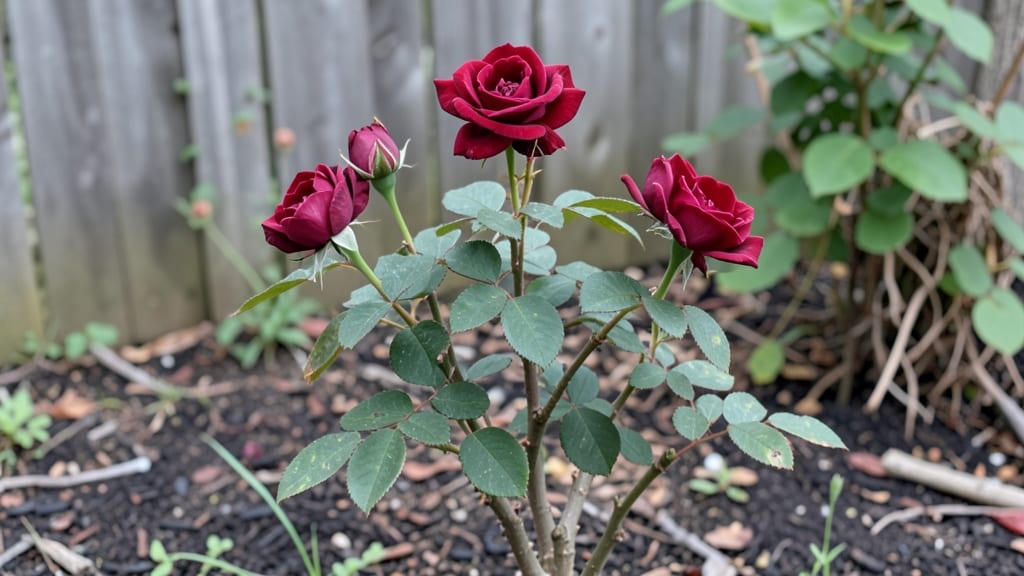
Stroll through Winnipeg parks, and you’ll spot the shrub rose thriving in harsh winters—these hardy beauties turn snowy landscapes into vibrant focal points year after year. 🌿 I’ve seen them survive -40°F winters with just a dusting of snow on their petals, then burst into bloom the moment spring arrives.
The key is choosing varieties bred for Manitoba’s climate, like the Explosion series or John Cabot, which handle wind and cold like champions.
These roses aren’t just tough—they’re versatile. Use them as natural privacy screens, dramatic hedges, or standalone specimens near patios where their fragrance lingers. In parks, they soften concrete edges while providing seasonal color, and in home gardens, they anchor borders with their sturdy growth.
Just give them full sun and well-draining soil, and they’ll reward you with minimal fuss.
By late June, you’ll have clouds of blooms in shades of pink, red, and yellow, followed by rose hips that feed birds through winter. The best part? They need less pruning than hybrid teas, so maintenance stays simple.
Whether you’re designing a public garden or your own backyard, these roses deliver beauty without the drama.
For Winnipeg’s unique conditions, focus on disease-resistant varieties and mulch heavily in fall to protect roots. The payoff is a garden that stays stunning even when neighbors’ plants give up. Let’s make your space as resilient as these roses.
📚 In This Guide
- What you need
- Instructions
- Tips and common mistakes
- Wrapping up and next steps
What you need
- ● Shrub Roses: 1–3 Winnipeg Parks Shrub Rose plants (choose disease-resistant varieties like ‘John Cabot’ or ‘F.E. Buck’ for best results).
- ● Planting Hole: Dig a hole 2–3 times wider than the root ball and as deep as the container (or bare-root spread).
- ● Amended Soil: 50% native soil
- ● 30% compost or well-rotted manure
- ● 20% perlite or coarse sand (for drainage)
- ● Organic Mulch: 2–3 inches of cedar chips, straw, or shredded bark (avoid fresh wood chips near the stem).
- ● Rose Fertilizer: Slow-release balanced rose fertilizer (10-10-10 or organic options like fish emulsion).
- ● Watering Can or Hose: With a gentle spray nozzle for post-planting hydration.
- ● Garden trowel or spade
- ● Garden gloves (to protect from thorns!)
- ● Pruning shears (sterilized with rubbing alcohol)
- ● Measuring tape or ruler (for depth checks)
- ○ Stakes or rose trellis (optional, for support)
- ● Rose food pellets (for slow-release nutrients)
- ● Epsom salt (1 tbsp/month in water for magnesium boost)
- ● Pest deterrents (neem oil or diatomaceous earth)
- ● Drip irrigation kit (for consistent moisture)
- ● Cold-frame or frost cloth (for early/late-season protection)
Step-by-step guide to planting and caring for Winnipeg Parks shrub roses
This hardy rose thrives in Manitoba’s climate—here’s how to plant and nurture it successfully.
🌱 Step 1: Choose the Right Planting Location
Select a spot with at least 6 hours of sunlight daily, preferably in the morning. Winnipeg Parks shrub roses tolerate some afternoon shade, but full sun ensures the best blooms. Avoid low-lying areas where cold air settles—this rose is tough, but it still needs good air circulation to prevent fungal diseases.
Test the soil in your chosen spot by digging a 6-inch deep hole. The ideal soil for this rose is well-draining but moisture-retentive. If your soil is heavy clay, mix in 2-3 inches of compost to improve drainage. Winnipeg’s alkaline soil may need a touch of sulfur to lower pH slightly—test your soil first to confirm.
🪴 Step 2: Plant at the Correct Depth and Spacing
Dig a hole that’s twice as wide as the root ball but no deeper. This prevents the rose from sitting too low, which can cause rot. Gently remove the rose from its container and loosen any circling roots with your fingers—this encourages outward growth instead of a tangled mess.
Place the rose in the hole so the graft union (the bump near the base of the stem) sits 2 inches above soil level. This protects it from winter heaving. Space plants 3-4 feet apart to allow airflow and future growth. Backfill the hole with soil, tamping it down lightly to remove air pockets, then water deeply to settle everything.
💧 Step 3: Water and Mulch for Winter Hardiness
Water the newly planted rose deeply once a week during the first growing season, aiming for 1-1.5 inches of water per week. Let the top 2 inches of soil dry out between waterings—this prevents soggy roots but keeps the plant hydrated. Avoid wetting the leaves to reduce disease risk.
Apply a 3-inch layer of organic mulch (like wood chips or straw) around the base, keeping it 6 inches away from the stem. This insulates roots in winter and retains moisture in summer. Replenish mulch annually—it breaks down over time and loses effectiveness.
✂️ Step 4: Prune for Manitoba’s Climate
Prune your Winnipeg Parks shrub rose in late winter or early spring, just before new growth begins. Remove any dead, diseased, or crossing branches first. Then cut back last year’s growth by one-third to encourage strong new shoots. This rose blooms on both old and new wood, so don’t prune too aggressively.
Shape the rose into an open, vase-like form to improve airflow. Avoid heavy pruning in fall—this can stimulate tender growth that won’t survive Winnipeg’s winters. After pruning, apply a balanced rose fertilizer (10-10-10) to support new growth.
☀️ Step 5: Protect in Early Spring and Fall
In early spring, when temperatures fluctuate between 30°F and 50°F, cover the rose with a lightweight frost blanket on cold nights. This prevents frost damage to emerging buds. Remove the cover during the day to allow sunlight and airflow.
In fall, after the first hard frost, mound 6-8 inches of soil or mulch around the base of the rose to insulate the roots. This extra protection helps the Winnipeg Parks shrub rose survive Manitoba’s harsh winters. Remove the mound in early spring once the ground thaws.
Tips & tricks for perfect Winnipeg Parks shrub roses
These hard-won insights will help your Winnipeg Parks shrub roses thrive in Manitoba’s challenging climate—without the trial-and-error I went through!
Soil Prep Secret: Before planting, mix in a handful of Epsom salt (about 1 tablespoon per square foot) when amending your soil. The magnesium boosts chlorophyll production, giving your rose a healthier green color and better resistance to cold snaps. I learned this after noticing my first roses had pale leaves despite proper care—this simple trick made all the difference.
Planting Depth Check: That 2-inch graft union above soil level is critical—use a small stick or ruler to verify depth before backfilling. Too deep and the graft can rot; too shallow and winter heaving will expose it. I mark my sticks with masking tape to create a quick reference guide for future plantings.
Watering Wisdom: The 1-1.5 inches per week guideline assumes average Winnipeg rainfall. During our dry summers, I supplement with drip irrigation in the morning to avoid wetting leaves. For the first year, I set a reminder on my phone to check soil moisture—new gardeners often overwater, thinking more is better.
Winter Protection Upgrade: When mounding soil in fall, add a layer of straw or leaves between the mound and the frost blanket in early spring. This creates an extra insulating barrier during those 30°F to 50°F temperature swings. I've seen roses survive -40°F winters with this double protection!
Pro Tips for Winnipeg Parks Shrub Rose
- These hard-won insights will help your Winnipeg Parks shrub roses thrive in Manitoba’s challenging climate—without the trial-and-error I went through!
- Soil Prep Secret: Before planting, mix in a handful of Epsom salt (about 1 tablespoon per square foot) when amending your soil.
- Planting Depth Check: That 2-inch graft union above soil level is critical—use a small stick or ruler to verify depth before backfilling.
Frequently asked questions
Got questions about growing Winnipeg parks shrub roses in Manitoba’s climate? You’re not alone! Here are the most common queries—and expert answers—to help you thrive with these hardy beauties.
What’s the best time to plant shrub roses in Winnipeg?
Plant them in early spring (April–May) or early fall (September–October) for best results. Avoid extreme heat or frost—spring gives roots time to establish before winter, while fall allows root growth before dormancy. Pro tip: Water deeply after planting to reduce transplant shock!
Can shrub roses survive Winnipeg winters without extra protection?
These roses are bred for Zone 3–4 hardiness, so they handle Manitoba winters well. However, mulch heavily (4–6 inches) with straw or wood chips around the base to insulate roots. Avoid wrapping stems—it traps moisture and can cause rot.
How often should I prune my shrub rose, and when?
Prune once a year in late winter or early spring (March) before new growth starts. Remove dead, crossing, or weak branches first, then shape the bush. Cut back old wood by 1/3 to encourage vigorous blooms. Warning: Avoid heavy pruning in fall—it stimulates tender growth that won’t survive frost!
What pests or diseases should I watch for in Manitoba’s climate?
Keep an eye out for rose slugs (sawfly larvae), Japanese beetles, and black spot fungus (common in humid summers). Use neem oil or insecticidal soap for pests, and fungicide if needed. Prevention tip: Space plants for airflow and water at the base—not overhead—to reduce disease risk.
Can I grow shrub roses in containers, or do they need garden beds?
Yes! Shrub roses thrive in large containers (15+ gallons) with well-draining soil. Choose dwarf or compact varieties like ‘John Cabot’ or ‘Knock Out.’ Ensure pots have drainage holes and move them to a sheltered spot in winter. Bonus: Container roses are easier to protect from pests and prune!
Wrapping up and next steps
Winnipeg’s shrub roses are the perfect blend of beauty and resilience, thriving in Manitoba’s cold winters with minimal fuss. Whether you’re a seasoned gardener or a beginner, these hardy plants bring vibrant color and charm to your outdoor space—without the high-maintenance drama! 🌹❄️
Ready to transform your garden? Start by visiting a local nursery to pick out your favorite cold-resistant variety, then grab your gloves and get planting. With the right care, you’ll enjoy blooms for years to come—and maybe even inspire your neighbors to do the same!