
Pruning
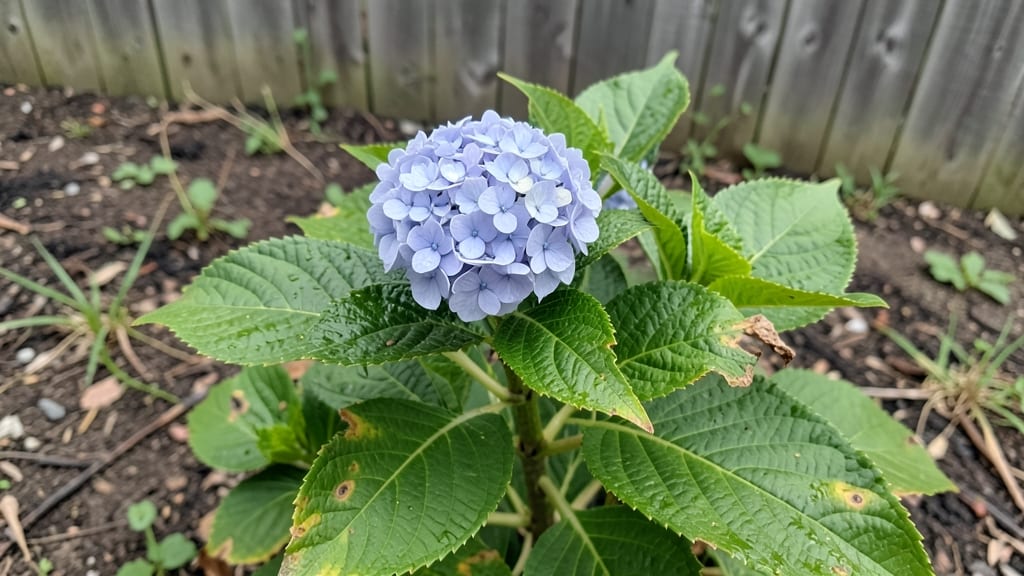
Mastering bush shrub identification feels like solving a mystery—until you spot the clues in leaves, bark, and growth habits. 🌿 I’ve spent years mislabeling plants in my yard until I cracked the code: start with leaf shape, then check bark texture and flower patterns.
A single wrong ID can mean over-pruning, under-watering, or even killing a plant that’s perfectly happy with different care.
This guide breaks down the 25 most common shrubs you’ll find in landscapes, from the glossy leaves of hydrangeas to the peeling bark of crape myrtles. No botanist background needed—I’ll explain terms like "deciduous" (loses leaves in winter) and "evergreen" (stays green year-round) in plain language.
Grab a notebook and a sunny afternoon to practice spotting these plants in your neighborhood or garden center.
Once you master the basics, you’ll prune at the right time, fertilize correctly, and even predict how fast each shrub will grow. That fuzzy purple-blooming bush? Probably a butterfly bush—it thrives in full sun but hates soggy soil.
The glossy green one with red berries? Likely a winterberry holly, which needs acidic soil to shine. Confidence in identification means your landscape will look intentional, not accidental.
We’ll also cover tools like free plant ID apps and when to call in a local nursery expert. Some shrubs, like boxwoods or lilacs, have regional variations—what grows well in the Pacific Northwest might struggle in the Southeast.
The key is starting with what you see, then verifying with reliable sources. Ready to stop guessing and start gardening with purpose?
The Science Behind Misidentification
Identifying bush shrubs can feel like solving a botanical puzzle—especially when two plants look eerily similar but aren’t quite the same. Whether you’re a gardener, landscaper, or nature enthusiast, misidentification often boils down to a few key factors.
Understanding these causes will sharpen your eye for detail and help you avoid costly mistakes in your garden or landscape. Let’s break down the real reasons why shrub identification trips up even the most seasoned plant lovers.
Many shrubs share leaf shape, flower color, or growth habits, making them nearly indistinguishable at first glance. For example, Lilac (Syringa) and Mock Orange (Philadelphus) both produce fragrant white blooms, but their leaf arrangement and stem characteristics differ.
Similarly, Boxwood (Buxus) and Japanese Holly (Ilex crenata) have dense, glossy foliage—but one is evergreen, while the other can lose leaves in harsh winters.
Why it happens:
- 🔬 Convergent evolution: Plants in the same climate or region develop similar traits to survive, even if they’re not closely related. Think of it like two different car models with the same sleek design—functionally distinct, but visually confusing.
- 🌱 Juvenile vs. mature forms: Young shrubs (e.g., Oakleaf Hydrangea) may look nothing like their adult selves. Their leaves, flowers, or bark change drastically as they age, leading to mislabeling.
- 🎨 Seasonal camouflage: Some shrubs, like Wintercreeper (Euonymus fortunei), only reveal their true colors or berries in fall or winter. Without these clues, they might be mistaken for English Ivy (Hedera helix) or Boston Ivy (Parthenocissus tricuspidata).
Actionable tip: 💡 Always examine three key features:
- Leaf shape, edges, and arrangement (alternate vs. opposite, serrated vs. smooth).
- Flower or fruit structure and timing (e.g., berries vs. seed pods, spring vs. fall blooms).
- Bark or stem texture (e.g., peeling bark on River Birch vs. smooth bark on Dogwood).
In today’s digital age, a quick Google image search can lead to more confusion than clarity. Many online guides show idealized or edited photos—think vibrant flowers in peak season or perfectly manicured shrubs that don’t reflect real-world variations.
Why it happens:
- 📱 Photo angles matter: A shrub’s habit (how it grows) can look completely different from a top-down shot vs. a side view. For instance, Dwarf Fothergilla might appear rounded in a garden photo but sprawling in person.
- 🎨 Color distortion: Camera flashes or phone filters can alter leaf colors. A shrub’s true hue might be a muted green, not the neon shade in a stock image.
- 🌐 Regional mismatches: A shrub thriving in Zone 5 might look stunted or stressed in Zone 9, changing its appearance entirely. What’s labeled as “Holly” in one state could be a different species elsewhere.
Actionable tip: 🌡️ Compare real-life samples:
- Take multiple photos from different angles (close-ups of leaves, flowers, and bark).
- Use apps like iNaturalist or PictureThis to cross-reference with user-uploaded images.
- Visit a local nursery or arboretum to see the shrub in person—note its scent, texture, and growth pattern.
Shrubs don’t wear the same “uniform” year-round. A plant’s bloom time, leaf drop, or berry production can be the missing puzzle piece—but many identifiers ignore these critical details.
Why it happens:
- ⏳ Timing is everything: Witch Hazel (Hamamelis) blooms in late winter, while Forsythia erupts in early spring. Mixing up their bloom periods can lead to wrong IDs.
- 🍂 Fall foliage vs. evergreen: Smoke Bush (Cotinus) turns smoky purple in autumn, but its summer leaves are green. Skipping the seasonal check means missing this key trait.
- 🌦️ Stress responses: Drought, pests, or poor soil can alter a shrub’s appearance. A healthy Boxwood has glossy leaves, but one under stress might look dull or spotted—easily mistaken for Japanese Holly.
Actionable tip: ✨ Create a seasonal checklist:
- Track bloom time, leaf color changes, and fruit/berry production over 12 months.
- Note how the shrub reacts to weather (e.g., does it wilt in heat or drop leaves in frost?).
- Use a field guide or app that includes seasonal variations (e.g., “A Field Guide to Shrubs of North America”).
Even within the same species, shrubs can look wildly different due to cultivar breeding, mutations, or hybridizing. A “Rose of Sharon” (Hibiscus syriacus) might be white, pink, or blue—each with slight leaf or flower differences.
Why it happens:
- 🌹 Cultivar confusion: ‘Dwarf Burford’ Holly is smaller than ‘Blue Princess’ Holly, but both share thorny leaves. Without knowing the exact name, they’re easy to mix up.
- 🔄 Hybrid vigor: Crossbreeding (e.g., Potentilla × hybrid) creates shrubs with unpredictable traits—some may have double flowers or variegated leaves not found in the parent species.
- 🧬 Sport mutations: A sudden color change (e.g., a green-and-gold Euonymus shrub) can create a “sport” that’s sold separately, even though it’s genetically similar to the original.
Actionable tip: 🎯 Dig deeper with names:
- Always check the botanical name + cultivar (e.g., Hydrangea macrophylla ‘Endless Summer’).
- Ask nurseries for propagation details—was it grafted, cut from a parent plant, or grown from seed?
- Join local gardening groups to compare notes on regional cultivars.
By recognizing these common pit
Practical steps to master plant ID
Identifying bushes and shrubs in your landscape doesn’t have to feel like solving a mystery—especially when you arm yourself with the right tools and techniques. Below, we’ve broken down common challenges in bush shrub identification and matched them with actionable solutions. Whether you’re dealing with seasonal changes, missing leaves, or just a blank slate, these fixes will help you confidently name and care for your plants.
Problem: Shrubs lose leaves due to disease, pests, or environmental stress, making identification tricky. Solution:
- 🌿 Examine the stems and buds: Healthy buds often indicate the plant’s true identity, even if leaves are gone. Look for color, shape, and arrangement.
- 📸 Take photos of buds/flowers: Snap close-ups of any remaining flowers, stems, or seed pods—they’re key clues.
- 🌡️ Check for seasonal patterns: Some shrubs (like Deciduous Azaleas) shed leaves in winter but regrow them in spring. Compare your plant to seasonal charts.
💡 Prevention Tip:
- Prune strategically in late winter/early spring to avoid removing identification markers (like flower buds).
- Mulch properly to retain moisture and reduce stress-related leaf drop.
Problem: Shrubs grow too close, obscuring their unique features (e.g., leaf shape, bark texture). Solution:
- 🔪 Thin out overgrowth: Carefully prune inner branches to improve airflow and visibility. Use sharp, sterilized shears to avoid damage.
- 📏 Measure spacing: Compare your shrub’s mature size to its current growth. If it’s outpacing its neighbors, it’s time to prune or relocate.
- 🌱 Dig up and replant (if needed): If two shrubs are fused together, separate their roots gently and replant one elsewhere.
💡 Prevention Tip:
- Plant with purpose: Group similar shrubs together but leave 3–6 feet between them (depending on the species) to prevent future crowding.
Problem: Some shrubs (like Boxwood or Holly) rely on flowers/fruit for ID, but they’re not always present. Solution:
- 👀 Focus on evergreen features: Needles, leaf edges, or bark patterns (e.g., peeling Birch bark) can reveal the plant’s identity.
- 📊 Use a field guide or app: Tools like PlantNet or iNaturalist let you upload photos for instant ID matches.
- 🕰️ Track seasonal changes: Note when buds form or berries ripen—this narrows down possibilities (e.g., Winterberry Holly only fruits in fall/winter).
💡 Prevention Tip:
- Label new plants at planting time with species names and purchase dates to track growth patterns.
Problem: A shrub looks completely different in winter (e.g., bare branches vs. lush foliage). Solution:
- 🌲 Study dormant structures: Look for bud scales, twig color, or branch arrangement. For example, Dogwood has opposite branching even without leaves.
- 📅 Reference seasonal ID guides: Websites like the USDA Plant Database offer winter/summer comparisons.
- 🌱 Compare to known specimens: Visit local nurseries or botanical gardens to see the same shrub in different seasons.
💡 Prevention Tip:
- Take year-round notes: Jot down observations (e.g., “Bark is gray and flaky in winter”) in a gardening journal.
Problem: Your shrub resembles an invasive plant (e.g., English Ivy or Japanese Honeysuckle), but you’re unsure. Solution:
- 🔍 Check local regulations: Some regions ban certain invasives—confirm with your Cooperative Extension Service.
- 🌿 Look for invasive “red flags”:
| Invasive Trait | What to Watch For |
|---|---|
| Aggressive roots | Cracks in driveways or damage to foundations |
| Rapid growth | Outpaces native plants by 2–3x |
| No natural predators | No visible pests (e.g., caterpillars on Privet) |
- 🌱 Remove or replace: If it’s invasive, dig it out (including roots) or swap it for a native alternative like Buttonbush.
💡 Prevention Tip:
- Plant natives: Choose shrubs like Serviceberry or Sumac that support local ecosystems.
With these targeted fixes, you’ll turn even the trickiest identification puzzles into confident matches. Pro tip: Carry a small notebook while gardening—jotting down leaf shapes, flower colors, and growth habits sharpens your skills over time. Happy planting! 🌿✨
Frequently asked questions
How do I tell the difference between a bush and a shrub?
While often used interchangeably, shrubs are multi-stemmed woody plants (like hydrangeas or azaleas) that typically grow 3-12 feet tall. Bushes are a broader category that can include both shrubs and small trees. The key difference is that shrubs usually have multiple stems from the base, while bushes might have a single dominant trunk.
What are the most important features to look for when identifying shrubs?
Focus on these three key characteristics: leaf arrangement (alternate vs. opposite), bark texture (smooth, peeling, or ridged), and flower/fruit structure. For example, holly has spiky leaves and red berries, while boxwood has glossy evergreen leaves and no fruit. Always check multiple features to avoid mistakes!
Can I use my smartphone to identify shrubs?
Apps like PictureThis, PlantNet, or iNaturalist let you upload photos for instant ID matches. For best results, include close-ups of leaves, flowers, and bark, and take photos in natural light. Just remember—apps work best when you provide clear, well-lit images of multiple plant parts.
Why does my shrub look different now than when I bought it?
Shrubs change as they mature! Young plants often have different leaf shapes, growth habits, or even flower colors compared to their adult forms. For example, Oakleaf Hydrangea starts with simple leaves but develops lobed leaves as it ages. Seasonal changes (like winter dormancy) can also dramatically alter their appearance.
How do I know if my shrub is invasive?
Watch for these red flags: rapid growth, aggressive root systems that crack pavement, and no natural predators (like caterpillars or birds). Common invasive shrubs include English Ivy and Japanese Honeysuckle. Check your local Cooperative Extension Service for region-specific invasive species lists.