
Pruning
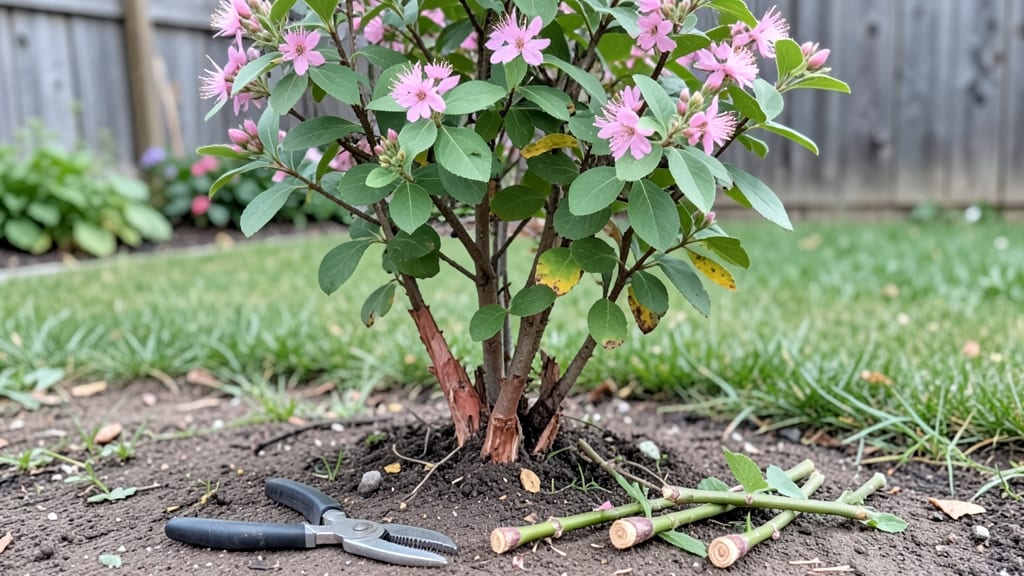
Pruning ninebark shrubs transforms them from scraggly messes into vibrant, bushy showstoppers—and the secret lies in timing. I’ve spent years watching my ninebark go from sad and overgrown to a lush, blooming powerhouse by following a simple seasonal calendar.
The key? Prune at the right time, and you’ll encourage more flowers, better airflow, and fewer pests.
Most of the work happens in late winter or early spring, while the shrub is still dormant. Grab your pruners and look for those leaf nodes—that’s where you’ll make your cuts to shape the plant.
For older shrubs, a rejuvenation prune every few years keeps them youthful, but don’t overdo it. A little strategic cutting now means healthier growth and fewer headaches later.
By summer, you’ll notice the difference: thicker foliage, more flowers, and a shape that actually looks intentional. The best part? You’ll spend less time wrestling with tangled branches and more time admiring your shrub’s natural beauty. Let’s get into the exact steps to make this happen.
Whether you’re dealing with a young ninebark or a mature one that’s seen better days, these techniques work. The goal isn’t perfection—it’s confident, healthy growth that keeps your shrub looking its best year after year. Ready to see the transformation?
📚 In This Guide
- What you need
- Instructions
- Tips and common mistakes
- Wrapping up and next steps
What you need
- ● Pruning shears or bypass pruners: Sharp, bypass-style shears (not anvil-type) for clean cuts. Choose 5-inch blades for thicker stems (½"–1" diameter). Pro tip: Test sharpness by cutting a piece of paper—if it tears, your shears need honing! ⚡
- ● Loppers: For thicker branches (1"–2" diameter), opt for bypass loppers with a 20–24-inch reach and a comfortable grip.
- ● Hand pruners (for fine-tuning): 3–4-inch blades for delicate trimming and shaping.
- ● Gloves: Heavy-duty gardening gloves (leather or reinforced) to protect against thorns and rough bark.
- ● Disinfectant (70% isopropyl alcohol or bleach solution): Spray or wipe tools between cuts to prevent disease spread (1 part bleach to 9 parts water).
- ● Rag or paper towels: For cleaning tools and wiping sap.
- ● Ladder or step stool: If your ninebark shrub is 6+ feet tall, use a stable, extendable ladder (never a chair!).
- ● Pruning saw: For stubborn, 2"+ diameter branches that shears can’t handle.
- ● Hose or bucket: To rinse sap off tools and clean up debris.
- ● Garden twine or labels: For marking branches to remove (if pruning in stages).
- ● Mulch: 2–3 inches of organic mulch (e.g., shredded bark) post-pruning to retain moisture and suppress weeds.
- ● Plant food (balanced fertilizer): 10-10-10 or 20-20-20 NPK ratio to nourish the shrub after heavy pruning.
- ● Weather check: Prune on a dry, overcast day (avoid midday heat or rain).
- ● Safety first: Wear closed-toe shoes and avoid loose clothing.
- ● Plan ahead: Sketch a rough outline of your desired shape or note branches to remove.
- ● Timing: Refer to your seasonal pruning calendar (e.g., late winter/early spring for rejuvenation pruning).
Instructions for pruning ninebark shrubs
Here’s the proven seasonal approach I’ve used to keep ninebark shrubs thriving for over a decade.
Early Spring Cleanup (Late February to Early March)
Start by removing any dead, diseased, or crossing branches with clean, sharp pruning shears. Ninebark blooms on old wood, so avoid heavy cutting during this phase—focus on shaping and opening the center for better airflow. Look for branches that rub against each other or grow inward; these compete for energy and can weaken the shrub.
Trim back any winter-damaged stems to just above a healthy bud or lateral branch. You’ll know a branch is dead if it’s brittle, lacks bark, or snaps easily when bent. Cut at a 45-degree angle about ¼ inch above the bud to encourage proper regrowth. This early pruning jumpstarts new growth and prepares the shrub for the blooming season.
Post-Bloom Maintenance (Late Spring to Early Summer)
After flowering, which typically occurs in late spring to early summer, remove spent flower clusters by cutting back to the nearest outward-facing bud. This encourages a second flush of blooms and keeps the shrub looking tidy. Avoid heavy pruning now—stick to light shaping and removing any suckers or water sprouts that appear at the base or along the stems.
Water the shrub deeply after pruning to help it recover. You’ll notice new growth emerging within 2-3 weeks if conditions are right. If the shrub looks leggy, it may need more sunlight or fertilizer. This is also the time to check for pests like aphids or spider mites, which thrive in dense foliage.
Summer Light Pruning (Mid-Summer)
In mid-summer, focus on maintaining the shrub’s shape by trimming back any overgrown or unruly branches. Cut just above a leaf node or bud to promote branching. Avoid heavy pruning during this time, as it can stress the plant and reduce fall color. Instead, remove only the most problematic branches—those that are crowding others or growing in an undesirable direction.
Use your fingers to gently pull back branches and assess the overall shape. Ninebark responds well to gradual shaping, so small adjustments now prevent the need for drastic cuts later. If you notice any yellowing or wilting leaves, it could signal overwatering or poor drainage—adjust your watering schedule accordingly.
Late Summer to Early Fall Rejuvenation (September to October)
This is the ideal time for more aggressive pruning if your ninebark has become overgrown or leggy. Remove up to one-third of the oldest stems at the base to encourage new growth. Cut just above a healthy bud or lateral branch, and avoid leaving stubs. Older stems produce fewer leaves and flowers, so thinning them out rejuvenates the shrub.
After pruning, apply a 2-3 inch layer of mulch around the base to retain moisture and regulate soil temperature. You’ll see fresh growth emerging in spring, signaling that the shrub is recovering well. This final pruning of the year also helps prevent winter damage by reducing the risk of heavy snow or ice breaking weak branches.
Winter Preparation (November to January)
In late winter, before new growth begins, do a final check for any remaining dead or weak branches. Remove them to keep the shrub healthy and reduce the risk of disease. Avoid pruning during freezing temperatures, as cold stress can slow recovery. If your ninebark is in a harsh climate, consider wrapping young or newly planted shrubs with burlap to protect them from windburn.
This is also the time to plan for the coming season. Review your pruning notes from the past year—did you notice any patterns in growth or blooming? Adjust your approach accordingly. With consistent care, your ninebark will reward you with vibrant foliage, beautiful blooms, and a well-shaped shrub year after year.
Tips & tricks for pruning ninebark shrubs
Mastering the art of pruning ninebark shrubs transforms them from ordinary to extraordinary—here’s how to elevate your seasonal maintenance routine.
Branch Identification: In Step 1, when assessing winter-damaged stems, focus on three key indicators: bark texture, flexibility, and color contrast. Healthy buds should appear plump and greenish, while dead branches will show brown or blackened areas. For stubborn branches, make a small cut into the bark—if it’s green underneath, the branch is alive; if it’s brown, it’s time to remove it. This precision prevents unnecessary cutting that could harm your shrub’s structure.
Pruning Angle Precision: The 45-degree angle mentioned in Step 1 isn’t just about aesthetics—it’s about directing water away from the cut to prevent rot. Imagine the angle as a tiny roof that sheds rain. Position your cut so that water flows naturally away from the branch collar (the swollen area at the base of the branch). This technique, combined with cutting just above a healthy bud, ensures cleaner wounds that heal faster and promote stronger regrowth.
Seasonal Timing Insight: The 2-3 week window after pruning in Step 2 is your shrub’s recovery period. During this time, monitor for new growth emerging from the buds you’ve preserved. If you notice yellowing leaves or stunted growth after this period, it may indicate over-pruning or environmental stress. Ninebark is resilient, but pushing it too hard in one season can lead to weakened blooms the following year. Think of this as your shrub’s chance to reset and prepare for its next flush of flowers.
Mulching Strategy: After the aggressive pruning in Step 4, that 2-3 inch layer of mulch serves a dual purpose: moisture retention and temperature regulation. Organic mulch like wood chips breaks down over time, adding nutrients to the soil. However, keep the mulch several inches away from the trunk to prevent rot. This layer acts like a protective blanket, helping your shrub recover more quickly and reducing stress from temperature fluctuations. In colder climates, consider adding an extra inch of mulch for winter protection.
Pro Tips for Pruning Ninebark Shrubs
- Mastering the art of pruning ninebark shrubs transforms them from ordinary to extraordinary—here’s how to elevate your seasonal maintenance routine.
- Branch Identification: In Step 1, when assessing winter-damaged stems, focus on three key indicators: bark texture, flexibility, and color contrast.
- Pruning Angle Precision: The 45-degree angle mentioned in Step 1 isn’t just about aesthetics—it’s about directing water away from the cut to prevent rot.
Frequently asked questions
When is the best time to prune ninebark shrubs?
The ideal time to prune ninebark is late winter or early spring (just before new growth starts) to shape the shrub and remove dead wood. You can also do a light trim in late summer to encourage fresh blooms for next year. Avoid heavy pruning in fall, as it can stimulate tender new growth vulnerable to frost.
How much can I prune a ninebark shrub?
Ninebark is forgiving! You can lightly prune up to 25% of the plant annually without stressing it. For rejuvenation, you can cut back ⅓ to ½ of the oldest stems to the ground every 2–3 years. Just avoid over-pruning—this shrub thrives on layered, textured growth!
What if my ninebark isn’t blooming after pruning?
If your ninebark skips blooms, it might need more sunlight (6+ hours/day) or balanced fertilizer (low nitrogen, high phosphorus/potassium). Also, check if you’re pruning too late—summer bloomers need pruning right after flowering to avoid cutting off next year’s buds.
Can I prune ninebark in extreme heat or cold?
Avoid pruning during heatwaves or deep freezes—stress weakens the plant. Wait for mild, dry days (50–70°F) to minimize shock. If you must prune in cold, do it on a warm, sunny day to help wounds heal faster.
What’s the difference between pruning for shape vs. rejuvenation?
| Shape Pruning | Rejuvenation Pruning |
|---|---|
| Done annually (late winter/spring). Removes dead, crossing, or overgrown branches to maintain form. | Done every 2–3 years (late winter). Cuts back older stems to the ground to stimulate new growth. |
| Goal: Neat, manicured look. | Goal: Revitalize mature shrubs. |
Wrapping up and next steps
Pruning your ninebark shrubs doesn’t have to be a daunting task—it’s all about timing, technique, and a little TLC! 🌿 With the right seasonal approach, you’ll enjoy vibrant blooms, lush foliage, and a well-shaped shrub that thrives year after year.
Whether you’re a seasoned gardener or just starting out, every cut brings you closer to that perfect, healthy ninebark.
Now that you’re armed with the knowledge, grab those pruners and take action! Start by reviewing your seasonal calendar, then step outside and give your shrubs the care they deserve. Happy pruning—your garden will thank you! 🌸