
Shrubs
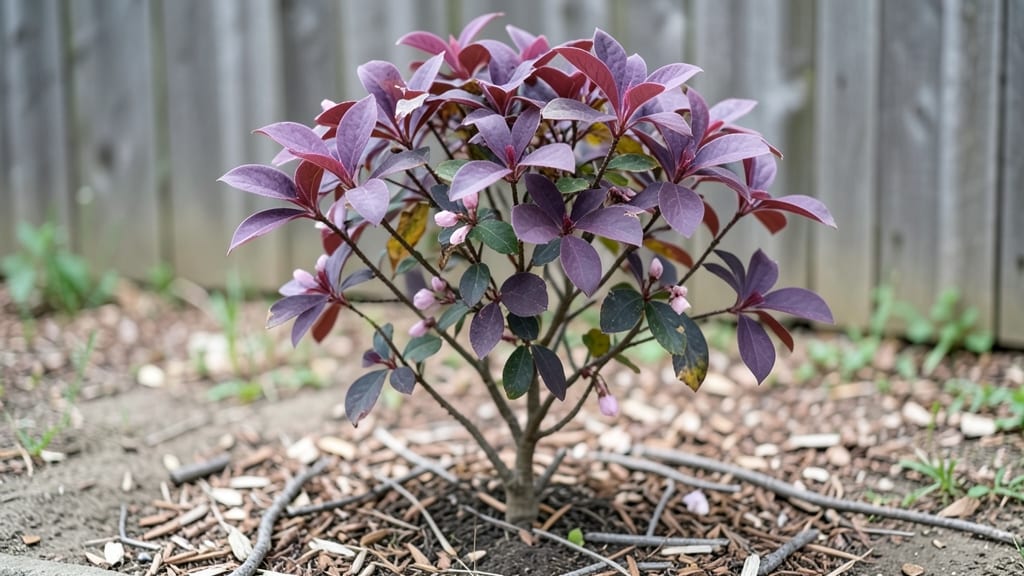
The purple leaf shrubs and bushes that steal the show in my garden aren’t just pretty—they’re the bold statement pieces that make every season feel alive. 🌿 I’ve learned the hard way that the right foliage can turn a forgettable border into a showstopper, and these deep purples and velvety blues do exactly that.
They thrive where other plants fade, giving you that year-round drama without the fuss of seasonal replacements.
These plants aren’t picky—they handle sun or shade, drought or occasional neglect, and still deliver that rich, jewel-toned color that makes neighbors double-take. My go-to varieties include the classic purple smoke bush, the delicate lacecap hydrangea, and the sturdy ninebark, all of which bring texture and contrast to any space.
Whether you’re lining a driveway, framing a patio, or creating a focal point, they’ll hold their own through winter’s browns and summer’s greens.
What you’ll love most is how effortlessly they pair with other plants—think silvery lavender, creamy white roses, or even bold red flowers to make the purple pop even harder. They stay compact enough for small gardens but sturdy enough to anchor large landscapes.
Once established, they’re nearly indestructible, which means less work for you and more time enjoying the results.
Here’s the best part: these shrubs transform your garden into a living canvas, where every season brings a new shade of purple, from spring’s freshest lavender to fall’s deepest plum. Ready to make your outdoor space unforgettable? Let’s get planting!
Why it happens
Those stunning purple leaves on shrubs and bushes aren’t just a fluke of nature—they’re the result of a fascinating chemical dance happening right inside the plant. The deep, rich colors you adore are often a response to environmental factors, genetic traits, or even the plant’s way of adapting to survive.
Let’s break down the science behind why some shrubs turn—and stay—purple, even when others fade to green.
Not all plants are born equal when it comes to pigmentation. Many purple-leaf shrubs, like the Cercis canadensis (purple-leaf redbud) or Prunus cerasifera (purple-leaf plum), owe their hue to a genetic quirk: an overproduction of anthocyanins.
These are the same pigments that give blueberries, eggplants, and red cabbage their deep colors.
Anthocyanins aren’t just for show—they act as natural sunscreen, protecting leaves from UV radiation while also helping the plant regulate temperature. Some varieties even produce more anthocyanins in response to specific light conditions, ensuring that purple stays vibrant year-round.
If you’re growing a purple-leaf shrub, its color intensity is often hardwired into its DNA—though environmental factors can still tweak the shade.
Light isn’t just fuel for photosynthesis—it’s also a trigger for anthocyanin production. When purple-leaf shrubs receive full sun exposure, especially during cooler months, they ramp up anthocyanin synthesis.
This is why many purple varieties look most intense in early spring or late fall, when temperatures dip but sunlight remains strong.
Here’s the catch: too much direct sun in hot summers can actually bleach out the color, causing leaves to revert to a duller green or purple-gray. If your shrub’s hue is fading in peak summer, it might be overheating.
Try providing partial shade (especially in zones with intense heat) to preserve that rich pigment. Pro tip: Morning sun with afternoon shade often works best for maintaining vibrancy. 🌿
Cold weather isn’t just a signal for plants to hibernate—it’s a cue to turn up the anthocyanin production. Many purple-leaf shrubs, such as the Weigela florida ‘Wine and Roses,’ deepen in color when temperatures drop below 50°F (10°C).
This isn’t just about aesthetics; the pigments help protect cell membranes from freezing damage.
However, extreme cold snaps followed by sudden warmth can stress the plant, sometimes leading to color loss or leaf scorch. To keep your shrub’s purple intact:
- ✅ Acclimate gradually if moving a potted purple-leaf shrub outdoors in fall.
- ✅ Avoid late-season fertilizers that encourage new growth when frost is forecast.
- ✅ Mulch heavily in winter to protect roots from temperature swings.
Water stress—whether from drought or overwatering—can dramatically alter leaf color. Purple-leaf shrubs often thrive in well-draining soil with consistent moisture, but their anthocyanin production can spike when they experience mild drought conditions. This is why some gardeners swear their purple shrubs look most vivid after a dry spell!
However, prolonged drought or waterlogged roots can weaken the plant, reducing its ability to produce pigments. To strike the right balance:
- 💡 Test soil moisture before watering—stick your finger 2 inches into the soil. If it’s dry, water deeply; if soggy, hold off.
- 💡 Avoid soggy soil by amending clay or compacted soil with compost or perlite.
- 💡 Mulch with 2–3 inches of organic matter (like shredded bark) to retain moisture without suffocating roots.
Soil pH also plays a role—most purple-leaf shrubs prefer slightly acidic to neutral soil (pH 6.0–7.0). If your soil is too alkaline, the plant may struggle to absorb nutrients needed for pigment production.
While anthocyanins are the stars of the show, other pigments like chlorophyll (green) and carotenoids (yellow/orange) can overshadow purple if the plant is nutrient-deficient. For example:
- Nitrogen deficiency can cause purple leaves to take on a grayish or yellowish tint as chlorophyll production drops.
- Phosphorus deficiency may lead to deep purple or reddish hues on the undersides of leaves—a sign the plant is struggling to flower or fruit.
- Magnesium or iron deficiencies can cause interveinal chlorosis (yellowing between veins), dulling the purple.
To keep your shrub’s color bold:
- ✨ Fertilize in early spring with a balanced, slow-release fertilizer (e.g., 10-10-10).
- ✨ Add compost or aged manure to the soil annually for organic nutrients.
- ✨ Monitor for pests like spider mites or aphids, which can stress plants and alter pigmentation.
Revitalize Your Colorful Shrubs
Purple-leafed shrubs and bushes are a garden’s showstoppers, but when they lose their vibrancy or struggle to thrive, it’s time to take action. Whether your plants are wilting, turning dull, or failing to bloom, these targeted solutions will help restore their health and beauty—without overwhelming your green thumb.
Below, we’ve mapped common issues to practical fixes, plus prevention tips to keep your foliage popping year-round.
If your purple leaves are fading to yellow or green, nutrient deficiencies or overwatering are often to blame.
🔥 Step 1: Test Your Soil
Yellowing leaves can signal nitrogen deficiency (common in fast-growing shrubs) or poor drainage. Grab a soil test kit (available at garden centers) or send a sample to your local cooperative extension office for a detailed analysis.
🍳 Step 2: Amend the Soil
Based on the test results, adjust your soil with:
- For nitrogen deficiency: Apply a balanced fertilizer (like 10-10-10) in early spring. Pro tip: Use composted manure or fish emulsion for organic options.
- For poor drainage: Mix in perlite or coarse sand to improve aeration. If your shrub is in a container, repot it with fresh, well-draining potting mix.
💡 Prevention Tip
Mulch around the base of your shrub with 2–3 inches of organic mulch (like shredded bark) to retain moisture and nutrients. Avoid piling mulch directly against the stem to prevent rot.
Brown, crispy leaves—especially on the edges—are usually a sign of stress from heat, sunburn, or underwatering.
🌡️ Step 1: Adjust Watering Habits
Most purple-leaf shrubs (like Japanese maples or smoke bushes) prefer consistently moist but not soggy soil. Water deeply once a week (or more in extreme heat) and aim for 1–2 inches of water per session. Pro tip: Water in the early morning to reduce evaporation and fungal risks.
👨🍳 Step 2: Provide Shade or Windbreaks
If your shrub is in a hot, sunny spot, provide afternoon shade with a sheer cloth or plant it near taller shrubs for natural protection. For windburn, add a temporary windbreak (like a lattice fence) during harsh weather.
✨ Prevention Tip
Group purple-leaf shrubs with other plants to create a microclimate that retains humidity. Drought-tolerant varieties (like lilacs or butterfly bushes) can handle more sun but still benefit from occasional deep watering.
If your shrub is leggy, sparse, or refuses to flower, it might need a pruning boost or better growing conditions.
⏰ Step 1: Prune for Shape and Health
Prune in late winter or early spring (before new growth starts) to remove:
- Dead, diseased, or crossing branches.
- Up to 1/3 of the plant’s height to encourage bushier growth.
- Spend flowers (if applicable) to redirect energy to foliage.
Pro tip: Use clean, sharp pruners and sterilize them with rubbing alcohol between cuts to prevent spreading disease.
🎯 Step 2: Fertilize for Vibrancy
Feed your shrub with a low-phosphorus, high-potassium fertilizer (like 5-10-10) in spring to support leaf color and blooms. Avoid high-nitrogen fertilizers in summer, as they promote leafy growth over flowers.
🔥 Prevention Tip
Feed purple-leaf varieties (like ‘Purple Smoke’ or ‘Royal Purple’ smokebush) with iron supplements if soil pH is high (alkaline), as iron deficiency can dull their color. Test soil pH first—aim for 6.0–7.0 for optimal uptake.
Purple-leaf shrubs can attract aphids, spider mites, or fungal issues like powdery mildew. Early intervention is key!
🔪 Step 1: Inspect and Treat Infestations
Check undersides of leaves for pests. For mild cases:
- Spray with a soapy water solution (1 tsp mild dish soap per quart of water).
- Introduce beneficial insects like ladybugs or lacewings.
For fungal issues (white powder on leaves), apply neem oil or a copper fungicide according to package instructions.
🌡️ Step 2: Improve Airflow
Thin out overcrowded branches and space shrubs 3–5 feet apart (depending on the variety) to reduce humidity and fungal spores.
💡 Prevention Tip
Water at the base of the plant (not overhead) to keep foliage dry. Avoid wetting leaves in the evening, as this encourages fungal growth.
With these fixes, your purple-leaf shrubs will bounce back with bold, healthy color. Consistency is key—stick to your soil amendments, watering schedule, and pruning routine, and your shrubs will reward you with year-round drama!
For stubborn issues, consult a local nursery expert—they can tailor advice to your specific climate and plant varieties.
Frequently asked questions
Which purple leaf shrubs are best for small gardens?
Compact varieties like Dwarf Purple Leaf Plum (Prunus cerasifera 'Atropurpurea') or Lilac (Syringa vulgaris 'Purple Pageant') work perfectly in tight spaces. These stay under 4-6 feet tall and thrive in containers or along narrow borders. For ground cover, try Creeping Thyme with purple foliage—it stays under 6 inches tall while adding texture.
Can purple leaf shrubs grow in full shade?
Most purple foliage shrubs need at least 4-6 hours of sunlight daily to maintain their vibrant color. Varieties like Purple Smoke Bush (Cotinus coggygria 'Royal Purple') tolerate partial shade but may fade to green in deep shade. For shady spots, opt for Japanese Maple 'Bloodgood' or Heuchera (Coral Bells)—both handle low light better while keeping their purple hues.
How do I keep my purple leaf shrub from turning green?
Fading purple often means too much direct sun in summer or nutrient stress. Provide morning sun with afternoon shade in hot climates, and fertilize in early spring with a balanced formula (10-10-10). For alkaline soil, add iron supplements—purple leaves need acidic conditions (pH 6.0-7.0) to stay bold. Test soil annually to catch deficiencies early.
Are purple leaf shrubs deer-resistant?
Most purple foliage shrubs are moderately deer-resistant—deer usually avoid them unless other food sources are scarce. Top choices include Purple Leaf Sand Cherry (Prunus pumila 'Purple') and Smoke Bush, which have tougher leaves. For extra protection, add deer repellent sprays or plant near deer-deterrent herbs like lavender. Mulch with pine needles (acidic) to enhance their natural resistance.
Can I prune purple leaf shrubs year-round?
Prune late winter or early spring (before new growth) for best results. Summer pruning is fine for shaping, but avoid heavy cuts—it can stress the plant and dull the purple. Never prune in fall, as new growth won’t harden off before winter. Use clean, sharp shears and remove no more than 1/3 of the plant at a time to preserve its vibrant foliage.