
Shrubs
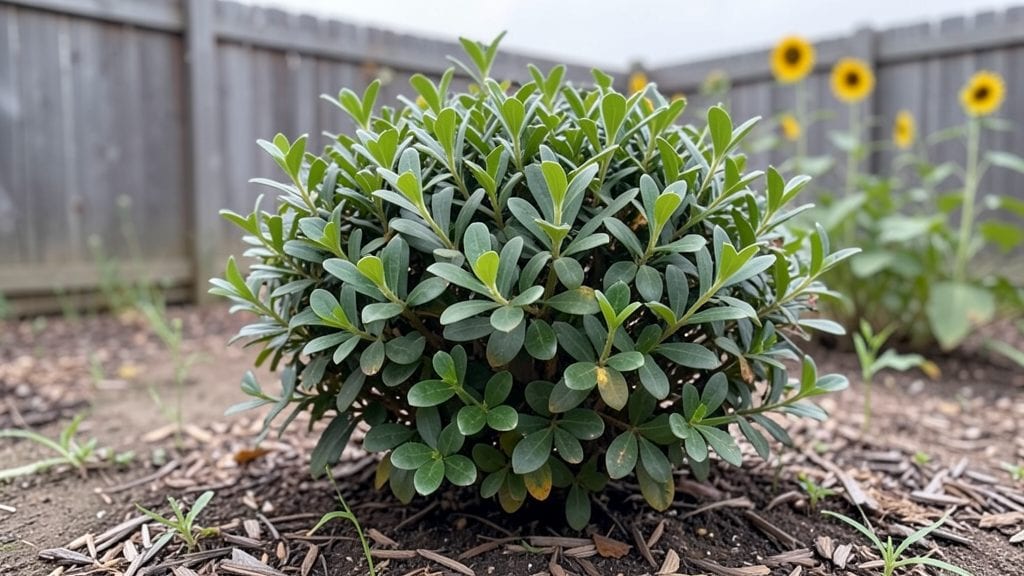
Shrubs look like woody plants with multiple stems branching from the base, typically growing 3 to 12 feet tall, with dense foliage and a rounded or irregular shape. They often retain leaves year-round or shed them seasonally, unlike trees or grasses.
When you picture shrubs in your garden, think of compact, bushy plants that spread out rather than grow skyward like trees. 🌿 Unlike single-trunk trees, shrubs have multiple stems emerging from the ground, creating a fuller, more layered appearance.
Their foliage is usually thick and lush, with leaves that can be needle-like (evergreen) or broad and flat (deciduous), depending on the variety. This diversity in leaf types and growth patterns makes shrubs incredibly versatile for landscaping, whether you're looking for privacy screens, foundation plants, or colorful accents.
What sets shrubs apart is their growth habit—most stay under 12 feet tall, with many remaining much shorter, making them perfect for smaller spaces. Their branching patterns often create natural curves or layered tiers, which gardeners love for adding texture and dimension.
For example, rhododendrons have glossy evergreen leaves and bell-shaped flowers, while hydrangeas produce large, showy clusters that change color based on soil pH. Understanding these traits helps you choose the right shrubs for your yard's style and climate.
💡 In This Article
- Key Visual Traits of Common Shrub Types
- How to Distinguish Shrubs from Trees and Grasses
Key visual traits of common shrub types
Broadleaf evergreens like rhododendrons and boxwoods showcase thick, leathery leaves that stay green year-round due to their waxy cuticle layer. This adaptation reduces water loss, allowing them to thrive in cooler climates where deciduous plants would struggle.
The leaves often have serrated edges and a glossy finish, reflecting light to create a vibrant, almost jewel-like appearance in the garden. 🌿 For example, rhododendron leaves can reach 3-6 inches long and have a velvety texture when young, maturing into smoother surfaces.
Deciduous shrubs such as hydrangeas and spirea undergo dramatic seasonal transformations. Their broad leaves, typically 2-5 inches wide, emerge in spring with soft, fuzzy undersides that protect against early-season frosts.
The bark on these shrubs often develops a rough, exfoliating texture as they age, with layers peeling away to reveal fresh, lighter-colored cambium underneath. Hydrangea leaves, for instance, can turn fiery red or orange in autumn, providing a stunning contrast to their summer green foliage.
Flowering shrubs like azaleas and camellias combine striking foliage with showy blooms that emerge in spring or early summer. Azalea leaves are typically 1-3 inches long with a slightly curled edge, while their flowers grow in clusters of 10-30 blooms per stem.
The bark on these shrubs is often smooth when young but develops a scaly pattern as it matures, adding visual interest even when not in bloom. The contrast between their dark green leaves and vibrant flowers creates a focal point that draws the eye.
What most people overlook is how growth habits vary dramatically between types. Evergreens often grow in a mounded shape, while deciduous shrubs may develop a more upright or arching form.
For example, butterfly bush stems grow in whorls, creating a layered effect, whereas holly shrubs develop sharp, spiny leaves that deter herbivores. These differences help gardeners select plants that fit specific spaces and purposes, from privacy screens to pollinator-friendly borders.
The leaf arrangement also provides key identification clues. Many shrubs exhibit opposite leaf arrangement (pairs at each node), while others like willows have alternate leaves.
Evergreen shrubs often have needle-like or scale-like leaves, such as those found on juniper or arborvitae, which are adapted to conserve moisture in dry conditions. Understanding these patterns helps distinguish between similar-looking species at a glance.
One fascinating detail is how bark texture evolves with age. Young shrubs often have smooth bark that becomes progressively rougher or more textured as the plant matures. For instance, dogwood bark develops a distinctive diamond pattern, while serviceberry bark peels in long, papery strips.
These visual cues can help identify shrubs even when they're not in leaf or flower, making them valuable for winter garden planning. 💫