
How To
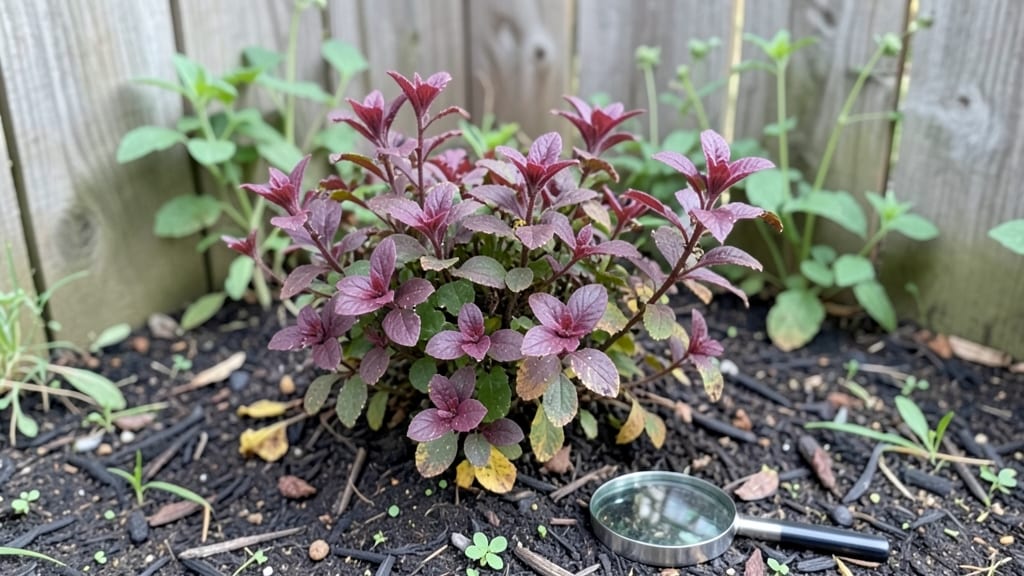
Identifying shrubs in your yard starts with a close look at their leaves and how they grow—two clues that reveal more than you’d think. 🌿 I’ve spent years untangling tangled hedges, and the difference between a fragrant lilac and an invasive burning bush often comes down to leaf shape alone.
A simple field guide or plant ID app turns this into a satisfying puzzle rather than a guess.
Begin with leaf shape: smooth edges suggest boxwood, while jagged teeth point to holly. Next, check growth habits—spreading shrubs like spirea need pruning differently than upright hydrangeas. Bark texture and flower clusters add final confirmation, and most shrubs bloom at predictable times, giving you another seasonal clue.
Once you know what you’ve got, the next step is easy: prune for shape, remove invasives like bittersweet, or keep the standout performers like azaleas that bring color and curb appeal.
A quick sketch or photo comparison with online databases seals the deal—no more guessing whether that shrub belongs in your yard.
This method works for any yard, from sun-drenched borders to shady corners. Grab a magnifying glass and start observing—you’ll recognize your shrubs in no time, and that’s when the real gardening fun begins.
Root Causes of Shrub Confusion
If your yard is a mix of leafy greenery but you’re struggling to tell one shrub from another, don’t worry—you’re not alone! Misidentifying shrubs often boils down to a few key factors tied to their biology, environment, and even human behavior.
Understanding these causes can help you sharpen your eye and avoid common pitfalls. Let’s break it down.
Many shrubs share similar shapes, sizes, or growth patterns, making them hard to distinguish at first glance. For example:
- Bushy, rounded shrubs like boxwood (Buxus sempervirens) and holly (Ilex spp.) can look nearly identical until you examine their leaves or berries.
- Spreading shrubs such as cotoneaster (Cotoneaster spp.) and juniper (Juniperus spp.) may blend into the landscape if they’re not in flower or fruit.
- Fast-growing vs. slow-growing: Some shrubs, like privet (Ligustrum spp.), grow aggressively and can outcompete slower neighbors, masking their true form.
Why it matters: Without close inspection, you might assume a shrub is one species when it’s actually another with subtle but critical differences—like toxicity (e.g., oleander vs. mock orange) or pest susceptibility.
Shrubs don’t wear the same “label” year-round. Their appearance changes dramatically with the seasons, which can throw off even experienced gardeners:
- Winter dormancy: Deciduous shrubs like viburnum (Viburnum spp.) shed leaves, leaving only skeletal branches that resemble evergreens like pine (Pinus spp.).
- Spring blooms: Flowering shrubs like lilac (Syringa vulgaris) or azalea (Rhododendron spp.) are unmistakable when in bloom—but once the flowers fade, their leaves might look identical to non-flowering shrubs.
- Fall foliage: Shrubs like burning bush (Euonymus alatus) turn vibrant colors, but their leaves can resemble those of maple trees or other shrubs until they drop.
Pro tip: 🌡️ Track seasonal changes—take photos of your shrubs in every season to spot patterns. A shrub’s bark, bud shape, or winter twig color can be dead giveaways!
Nurseries often sell cultivars (selectively bred varieties) of shrubs that may look nothing like their wild counterparts. For example:
- Dwarf vs. standard varieties: A ‘Little Gem’ magnolia (Magnolia grandiflora ‘Little Gem’) is a fraction of the size of a standard magnolia, making it easy to confuse with other small shrubs.
- Color variations: Some shrubs, like barberry (Berberis spp.), come in purple, green, or variegated forms, which can make identification tricky without a reference.
- Natural hybrids: Cross-pollination in the wild creates shrubs like ‘Amelanchier’ (serviceberry), which can blend traits from multiple species.
Why it happens: Breeders prioritize disease resistance, flower color, or compact growth over “true” species traits. Always check plant tags or use a field guide for cultivars.
Shrubs don’t always look their best due to external factors, which can distort their natural features:
- Pests and diseases:
- Spider mites or aphids can curl leaves, making a boxwood resemble a stressed yew.
- Fungal infections like powdery mildew can alter leaf texture, mimicking a different species.
- Sunlight and soil issues:
- Too much shade can make a hydrangea grow leggy, resembling a wisteria vine.
- Poor soil drainage might cause root rot, stunting growth and changing leaf shape (e.g., a rhododendron may look like a struggling azalea).
- Pruning mistakes: Over-pruning can turn a formal hedge (like privet) into a shapeless mess, making it hard to recognize.
Actionable fix: 🔍 Inspect the plant’s health first—healthy shrubs have consistent growth patterns, while stressed ones may show irregularities.
Now that you know why shrub identification can feel like solving a puzzle, the next step is learning how to decode their clues—like leaf shape, bark texture, and growth habits. Stay tuned!
Quick Fixes for Shrub ID Confusion
Now that you understand why identifying shrubs can feel like solving a puzzle, let’s tackle the how with practical, step-by-step solutions. Whether you’re staring at a leafy mystery or struggling to distinguish between similar-looking shrubs, these fixes will turn your yard into a botanical playground—no green thumb required!
Problem: "All my shrubs have oval leaves—how do I tell them apart?" Fix:
- Zoom in on leaf edges 🔥
- Smooth? Think boxwood or holly.
- Serrated (toothy)? Likely a serviceberry or viburnum.
- Lobed or wavy? Could be a ninebark or oakleaf hydrangea.
- Check the underside 🍳
- Fuzzy or hairy? Possibly a butterfly bush (Buddleia) or Russian olive.
- Glossy and smooth? Often a laurel or camellia.
- Observe growth patterns 👨🍳
- Upright and layered? Likely a lilac or forsythia.
- Mounding and bushy? Probably a hydrangea or azalea.
- Creeping or sprawling? Could be a juniper or cotoneaster.
> 💡 Pro Tip: Snap a photo of the leaf and the bark. Bark texture (smooth, ridged, peeling) is a game-changer for ID!
Problem: "My yard is a shrub soup—I forget which is which!" Fix:
- Create a simple yard map ✨
- Sketch your property or use a free app like Google Earth or SketchUp.
- Label each shrub with its location (e.g., "Northwest corner, under oak") and key traits (e.g., "Red berries in fall, glossy leaves").
- Use DIY labels 📊
- Stake method: Hammer a small wooden stake near each shrub and write:
- Common name (e.g., "Dwarf Lilac")
- Height at maturity (e.g., "6–10 ft")
- Sun needs (e.g., "Full sun")
- Paint rocks: Use outdoor-safe paint to mark shrubs with symbols (e.g., 🍃 for deciduous, ❄️ for evergreen).
- Stake method: Hammer a small wooden stake near each shrub and write:
- Take seasonal notes 🌡️
- Jot down changes:
- Spring: When do buds bloom? (Lilacs vs. azaleas bloom at different times.)
- Fall: Do leaves turn color? (Maples vs. oaks vs. sumacs.)
- Winter: Are berries or seed pods visible? (Holly vs. pyracantha.)
- Jot down changes:
Problem: "I’ve tried everything—still no luck!" Fix:
- Use plant ID apps 📱
- iNaturalist or PlantNet let you upload photos for AI-assisted ID.
- Bonus: Join local plant groups to get regional expert opinions.
- Visit a nursery with samples 🛒
- Bring a photo or a leaf sample (in a bag!) to a local garden center. Staff often recognize shrubs by touch or scent.
- Consult a local extension office 🎯
- Many states offer free plant ID services via their Cooperative Extension Service. Call or email with photos—they’ll send back a report!
To avoid future confusion: - Prune strategically ⏰: Trim in late winter/early spring before new growth starts.
This reveals the shrub’s natural shape and helps with ID. - Plant with purpose 🌱: Group similar shrubs together (e.g., all hydrangeas in one area) to reduce overlap. - Take "before" photos 📸: Document your yard annually to track changes and spot new growth. - Learn 3 key shrubs first ✨: Master the ID of 1 evergreen, 1 deciduous, and 1 flowering shrub—then expand!
Remember: Even the most seasoned gardeners misidentify shrubs at first. The key is to start small, stay curious, and use every clue—from leaf shape to soil type. Happy sleuthing! 🕵️♂️🌿
Frequently asked questions
What are the quickest ways to tell if a shrub is toxic to pets?
Check for shiny leaves (like oleander) or red berries (such as pyracantha), which are common red flags. Evergreens like boxwood are usually safe, while flowering shrubs like lilac or azalea can be toxic if ingested. Always verify with the ASPCA’s plant database or a local nursery before letting pets near them.
How do I know if a shrub is invasive and should be removed?
Look for aggressive spreaders like bittersweet or English ivy, which crowd out native plants. Invasive shrubs often have no natural predators in your region and lack seasonal dieback. Check your state’s invasive species list—many nurseries now label these plants clearly.
Can I use leaf shape alone to identify a shrub?
Leaf shape is a great starting point, but bark texture and growth habit are equally important. For example, smooth, reddish bark (like dogwood) or peeling strips (like birch) narrows it down. Combine leaf traits with flower or berry presence for accuracy—many shrubs are unrecognizable without these clues.
What’s the best time of year to identify shrubs in my yard?
Late spring or early summer is ideal when most shrubs are in full leaf and flowering. However, winter reveals bark patterns and branch structure that are hidden in warmer months. Take seasonal photos to compare—this helps spot subtle differences year-round.
Are there free tools to help me identify shrubs?
Yes! Use PlantNet or iNaturalist apps to upload photos for AI analysis. For offline help, download USDA Plant Hardiness Zone maps and local field guides from libraries. Many universities also offer free plant ID services via email or social media.