
Flowers
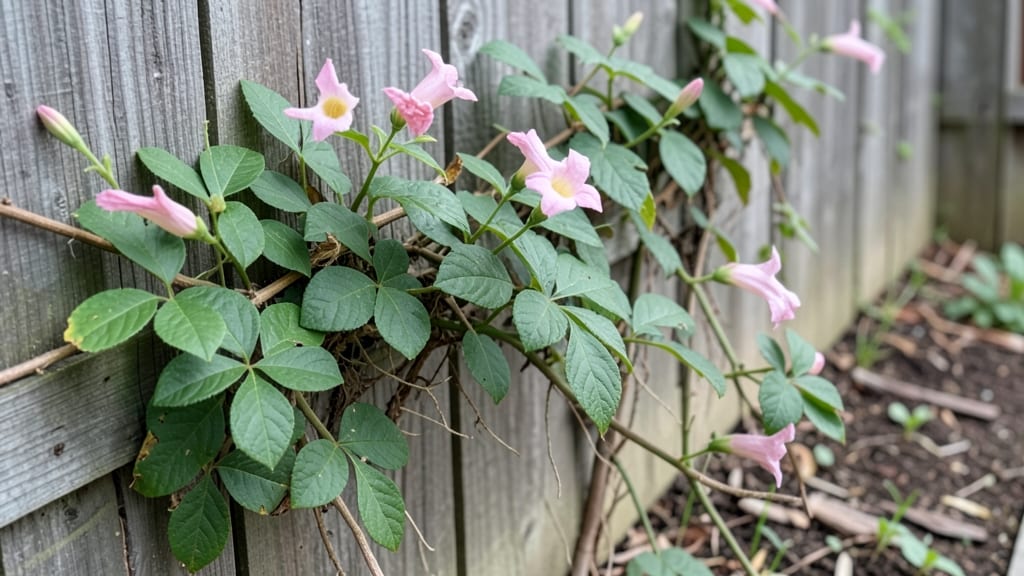
This shrub with pink trumpet-shaped flowers is the showstopper your garden has been missing—imagine the trumpet vine ( Campsis radicans ) and crossvine ( Bignonia capreolata ) climbing upward, their bold blooms luring hummingbirds into a vertical spectacle.
I planted mine against a fence last spring, and now it’s a lush, flowering curtain that turns heads every summer.
These shrubs thrive in warm climates but can handle cooler zones with winter protection. They bloom from late spring through summer, with some varieties offering fall color too. Pair them with purple clematis or silver foliage plants to make the pink flowers pop even more.
Their vining habit makes them perfect for trellises, arbors, or even as a dramatic border.
Once established, they’re low-maintenance—just prune after flowering to keep them tidy. The scent is subtle but intoxicating on warm evenings, and the hummingbirds can’t resist. Imagine a sunlit wall transformed into a floral waterfall by next summer. Let’s make your small space feel like a tropical escape.
Works in full sun to partial shade, though the more light, the more blooms. Perfect for cottage gardens, modern landscapes, or even container growing with the right support. Here’s how to make them the star of your outdoor space.
Understanding Why Flowers Skip Bloom
If your shrub with pink trumpet-shaped flowers (like Campsis radicans, or trumpet vine, or Bignonia capreolata, crossvine) isn’t producing those show-stopping blooms, don’t panic—there’s usually a logical reason behind it. Let’s break down the science and environmental triggers that can halt flower production.
Trumpet-shaped flowers thrive in full sun (6+ hours daily), but shade or inconsistent light can stunt blooming. Here’s why:
- Photosynthesis slowdown: These shrubs rely on sunlight to fuel energy for flower buds. In low light, they prioritize leaf growth over blooms. Pro tip: 🌡️ If your shrub is in partial shade, monitor its leaves—yellowing or sparse foliage signals a light deficit.
- Daylight duration matters: Some varieties (like crossvine) need long daylight hours (12+ hours) to trigger flowering. In short-day winter months, buds may not form.
- Actionable fix: Prune nearby trees or relocate the shrub to a sunnier spot. Use a light meter (or the "shadow test" at noon) to confirm light exposure.
Water stress—whether from drought or soggy roots—can shock the plant into survival mode, delaying or preventing flowers. The science:
- Root oxygen deprivation: Overwatering suffocates roots, reducing nutrient uptake. Flowers require phosphorus and potassium, which become scarce in waterlogged soil.
- Drought-induced dormancy: Underwatering triggers stress hormones (like abscisic acid) that pause flower development until conditions improve.
- Actionable fix:
- 🔥 Test soil moisture: Stick your finger 2 inches deep—water if dry. Aim for consistently moist but not soggy soil.
- 🌡️ Improve drainage: Amend clay soil with compost or perlite. Elevate pots to prevent water pooling.
Pink trumpet shrubs are heavy feeders, and improper nutrition directly impacts blooming. Common culprits:
| Nutrient Deficiency | Symptoms | Fix |
|---|---|---|
| Low phosphorus (P) | Purple-tinged leaves, stunted growth, no flower buds | Apply bone meal or a balanced 10-10-10 fertilizer in early spring. |
| Excess nitrogen (N) | Lush green leaves but zero flowers (plant focuses on foliage) | Switch to a low-N, high-P fertilizer (e.g., 5-10-10) and reduce synthetic fertilizers. |
| Compacted or acidic soil (pH < 6.0) | Yellow leaves, poor root growth, weak stems | Add lime to raise pH to 6.0–7.0 and till in compost. |
Pro tip: 💡 Conduct a soil test (DIY kits cost $10) to pinpoint exact deficiencies before amending.
Aggressive pruning at the wrong time or neglecting deadwood can confuse the shrub’s growth cycle. Key triggers:
- Late-season pruning: Cutting back after July removes next year’s flower buds (which form on new wood in many trumpet shrubs).
- Over-pruning: Removing >30% of foliage stresses the plant, diverting energy away from blooms.
- Actionable fix:
- 🔪 Prune in early spring: Trim dead or crossing branches, but leave 1/3 of last year’s growth for bud formation.
- 🌿 Avoid "rejuvenation pruning": Never shear back to bare wood—this encourages leafy regrowth but fewer flowers.
Hidden invaders like aphids, spider mites, or fungal infections drain the shrub’s energy, preventing it from flowering. Watch for:
- Sap-sucking pests: Aphids or scale insects excrete honeydew, attracting sooty mold, which blocks sunlight and weakens the plant.
- Root rot or powdery mildew: Fungal diseases thrive in humid, shaded conditions, stunting growth and flower production.
- Actionable fix:
- 🐜 Inspect leaves/stems: Look for sticky residue (honeydew), white webbing (mites), or black sooty mold.
- 🌡️ Treat early: Spray with neem oil (for pests) or copper fungicide (for mildew). Improve airflow with pruning.
Remember: Most trumpet shrubs bloom on new wood, so patience and consistent care (sun, water, nutrients) are key. If the issue persists after 1–2 seasons, consider whether your climate or shrub variety is a mismatch—some (like Campsis) need warmth to trigger blooms!
Quick fixes for fading flower frenzy
Revitalizing your vibrant trumpet-flowered shrub starts with pinpointing the issue—and acting fast! Whether your blooms are wilting, sparse, or just not as bold as they should be, these targeted solutions will help you restore that eye-catching vertical drama.
Below, we’ve mapped common problems to easy fixes, plus pro tips to keep your shrub thriving long-term.
Signs: Slow growth, yellowing leaves, or flowers that refuse to open fully. Why it happens: Roots compete for nutrients when packed too tightly, stressing the plant.
How to fix it:
- 🔪 Dig carefully around the base (about 6–12 inches from the trunk) using a sharp spade or garden fork.
- 🌿 Gently loosen soil and separate congested roots—aim to space them 2–3 inches apart.
- 💧 Water deeply post-pruning to reduce shock, then mulch with 2–3 inches of organic matter (like shredded bark or compost).
Prevention tips:
- ✨ Plant new shrubs 3–5 feet apart to avoid future crowding.
- 📅 Prune lightly in early spring to encourage airflow and reduce root stress.
Signs: Wilting leaves, brown leaf edges, or flowers that fade mid-bloom. Why it happens: Intense afternoon sun can scorch delicate trumpet blooms, especially in hot climates.
How to fix it:
- 🌳 Install temporary shade (e.g., a sheer fabric screen or lattice with climbing vines) for 2–4 hours during peak sun (12–4 PM).
- 💧 Increase watering frequency—water deeply 2–3 times per week (check soil moisture 2 inches below the surface).
- 🍃 Trim nearby competitors (like aggressive grasses or weeds) that might be stealing sunlight.
Prevention tips:
- 🎯 Choose the right spot: Plant in partial shade (morning sun + afternoon shade) for consistent blooms.
- 💡 Use reflective mulch (like white gravel) to bounce light away from the base.
Signs: Drooping leaves, crispy edges (underwatering) or yellowing leaves, moldy soil (overwatering). Why it happens: Trumpet-shaped flowers thrive in consistent moisture—too little or too much disrupts nutrient uptake.
How to fix it:
| Issue | Fix | Frequency |
|---|---|---|
| Underwatering | Water slowly at the base (not overhead) until soil is damp 6 inches deep. | Every 3–4 days in dry spells. |
| Overwatering | Let soil dry 1–2 inches between waterings. Improve drainage with perlite or sand. | Reduce to 1–2 times per week. |
Prevention tips:
- 🌡️ Test soil moisture with your finger—if dry, water; if soggy, hold off.
- 🔥 Use a moisture meter ($10–$15) for foolproof readings.
Signs: White powdery spots, black leaf spots, or mushy stems. Why it happens: Humidity + poor airflow = fungal feasts (like powdery mildew or root rot).
How to fix it:
- 🧼 Spray with neem oil (1 tsp per quart of water) every 7–10 days until symptoms fade.
- 🌿 Prune infected leaves/stems with sterilized shears (dip in rubbing alcohol).
- 💨 Improve airflow by thinning nearby plants or trimming overgrown branches.
Prevention tips:
- 🌿 Space shrubs 3–4 feet apart for better circulation.
- ✨ Water at the base (avoid wetting foliage) to reduce fungal spores.
Signs: Pale yellow leaves, stunted growth, or flowers that drop early. Why it happens: Trumpet-shaped shrubs crave phosphorus and potassium for blooms but often lack them in poor soil.
How to fix it:
- 🍽️ Apply a balanced fertilizer (10-10-10 or 5-10-10) in early spring and mid-summer.
- 🥬 Top-dress with compost (1–2 inches) around the root zone for organic nutrients.
- 💧 Flush soil with water after fertilizing to prevent burnout.
Prevention tips:
- 📊 Test soil every 2–3 years (local extension offices offer cheap kits).
- 🌱 Mulch annually with aged compost to replenish nutrients naturally.
Signs: Chewed leaves, sticky residue (aphids), or sawdust-like frass (caterpillars). Why it happens: Soft trumpet blooms attract sap-sucking pests like aphids or hungry beetles.
How to fix it:
- 🚿 Blast pests off with a strong stream of water (early morning).
- 🐝 Introduce predators (ladybugs for aphids or parasitic wasps for caterpillars).
- 🧴 Use insecticidal soap (spray at dusk) for severe infestations.
Prevention tips:
- 🌿 Inspect leaves weekly—catch pests before they multiply.
- 🌼 Plant companion flowers (like marigolds) to repel pests naturally.
💡 Pro Tip: Keep a gardening journal! Note when you water, fertilize, and prune—patterns will reveal what’s working (or not) for your shrub’s specific needs. With these fixes, your trumpet-shaped blooms will be back to stealing the show in no time!
Frequently asked questions
What are the most common types of shrubs with pink trumpet-shaped flowers?
The two most popular varieties are Campsis radicans (trumpet vine) and Bignonia capreolata (crossvine). Trumpet vine is a vigorous climber with bright pink blooms, while crossvine produces smaller, fragrant flowers and can grow as a shrub or vine. Both thrive in warm climates but need winter protection in cooler zones.
How do I attract hummingbirds to my trumpet-shaped flowering shrub?
These shrubs are hummingbird magnets! Plant them near feeders or other nectar-rich flowers like bee balm or columbine. Avoid pesticides, as they harm hummingbirds. The trumpet shape of the flowers makes it easy for them to access nectar while hovering. Bonus: The blooms provide late-season food when other flowers fade.
Can I grow trumpet-shaped flowering shrubs in containers?
Yes, but choose dwarf varieties like Bignonia capreolata 'Crossvine' or container-friendly trumpet vines. Use a large pot (at least 15-gallon) with well-draining soil and provide a sturdy trellis or support. Place in full sun and water consistently—containers dry out faster than garden beds.
How do I prune these shrubs to encourage more blooms?
Prune in late winter or early spring before new growth appears. Remove dead or crossing branches, but avoid heavy pruning—these shrubs bloom on new wood. For trumpet vine, you can also prune after flowering to control size. Never cut back into old wood, as this reduces next year's blooms.
Are trumpet-shaped flowering shrubs deer-resistant?
While not completely deer-proof, they're less appealing than many other garden plants. Deer typically avoid the milky sap and may ignore established shrubs. For extra protection, plant near deer-resistant companions like boxwood or lavender, or use physical barriers like fencing for young plants.