
Shrubs
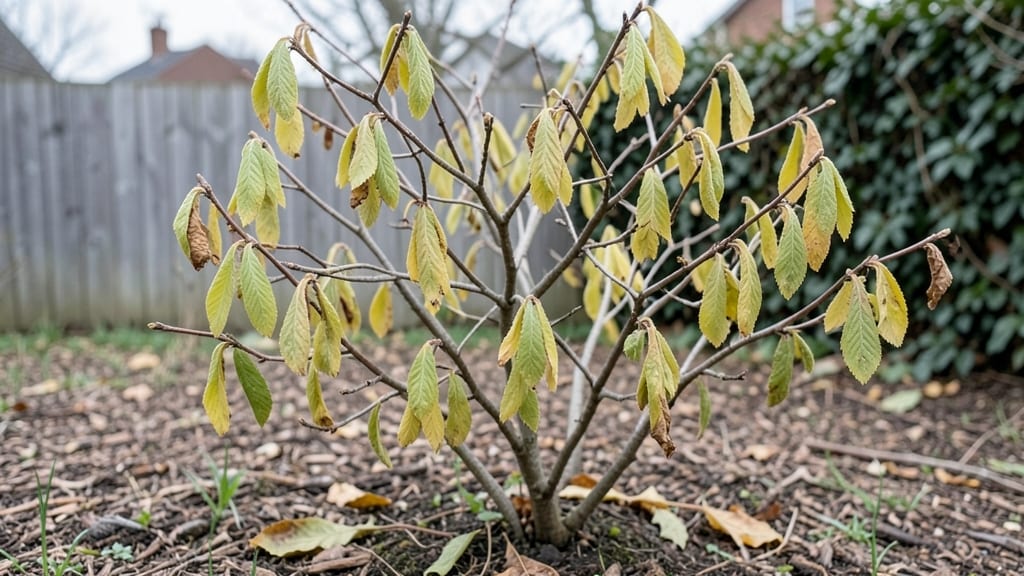
Green-and-yellow leaf shrubs transform any garden border into a living work of art. ✨ I still remember the first time I planted Euonymus 'Emerald Gaiety'—its chartreuse-and-cream foliage instantly made my front yard feel like a designer showpiece.
These shrubs aren't just pretty; they're the secret weapon for adding instant contrast without overwhelming your space.
The best part? They thrive in partial shade to full sun and handle most soil types, so you're not stuck with finicky plants. Pair them with deep purple or burgundy foliage (like Heuchera) for a striking color combo, or let their bright tones pop against dark evergreens.
For borders, keep them pruned to a neat 3-4 feet tall—they'll stay lush and full without taking over.
Imagine walking past your garden in spring, watching sunlight catch their variegated leaves and create a shimmering effect. These shrubs bring that kind of magic year-round, with some varieties even offering subtle fall color shifts. They're low-maintenance, deer-resistant, and perfect for both formal hedges or loose, natural borders.
Whether you're framing a pathway, softening a fence line, or adding height to a mixed border, these shrubs deliver big impact with minimal effort. Let's pick the perfect one for your space and design style!
Understanding leaf color shifts
If your once-uniform green shrub is now flaunting patches of bright yellow leaves, don’t panic—this isn’t necessarily a death sentence. Instead, it’s often a sign that your plant is responding to environmental cues, nutrient changes, or even natural aging.
Below, we break down the most common reasons why your shrub’s leaves might be turning yellow, complete with science-backed explanations and actionable insights to help you address the issue.
Yellowing leaves can be a cry for help from your shrub, signaling it’s not getting the right nutrients. The most common culprits are:
- Nitrogen (N) deficiency: Leaves may turn pale yellow, especially on younger growth. Nitrogen is essential for chlorophyll production, so without it, leaves can’t photosynthesize efficiently. Fix it: Apply a balanced fertilizer (like 10-10-10) or organic matter like composted manure.
- Iron (Fe) or magnesium (Mg) deficiency: Yellowing between leaf veins (a condition called interveinal chlorosis) often points to these deficiencies. Iron is critical for chlorophyll, while magnesium helps activate enzymes in photosynthesis. Fix it: Use chelated iron supplements or apply Epsom salt (for magnesium) to the soil.
- Potassium (K) or phosphorus (P) imbalances: Yellowing edges or overall leaf discoloration can occur if these nutrients are lacking. They play key roles in energy transfer and root health. Fix it: Test your soil and amend with bone meal (for phosphorus) or wood ash (for potassium).
Pro Tip: 💡 Before fertilizing, test your soil’s pH—many nutrients (like iron) become unavailable in alkaline soils (pH > 7.0). Aim for a slightly acidic to neutral range (6.0–7.0) for most shrubs.
Shrubs are like Goldilocks—they need just the right amount of sunlight. Too much or too little can trigger yellowing leaves:
- Sunburn (excessive sunlight): Intense sun exposure can scorch leaves, causing them to turn yellow or brown, especially in hot afternoons. This is common in variegated shrubs (like those with green and yellow foliage), as the yellow areas are more sensitive to UV damage. Fix it: Provide afternoon shade with a sheer curtain or move the shrub to a spot with morning sun and afternoon shade.
- Leggy growth (insufficient light): If your shrub isn’t getting enough light, it may produce long, weak stems with yellowing leaves as it stretches toward the sun. This weakens the plant and makes it more susceptible to disease. Fix it: Prune nearby obstacles (like trees or buildings) blocking light or transplant the shrub to a sunnier location.
Pro Tip: 🌡️ Most green-and-yellow leaf shrubs (e.g., Dwarf Fothergilla or Abelia) thrive in partial shade to full sun. Observe your shrub’s natural behavior—if yellowing worsens in harsh sun, it’s likely sunburn.
Water is the lifeblood of your shrub, and imbalances can turn leaves yellow faster than you’d think:
- Overwatering: Yellow leaves with a soggy, mushy texture are a red flag for root rot. Excess water cuts off oxygen to roots, leading to nutrient uptake failures. Fix it:
- Improve drainage by amending soil with perlite or sand.
- Ensure pots have drainage holes if growing in containers.
- Water only when the top 1–2 inches of soil are dry.
- Underwatering: Dry, crispy yellow edges or leaves that curl upward signal thirst. Shrubs with yellow-and-green foliage are often drought-sensitive. Fix it:
- Water deeply 1–2 times per week (more in extreme heat).
- Mulch around the base to retain moisture.
- Group shrubs together to create a microclimate that holds humidity.
Pro Tip: ⏰ Check soil moisture with your finger—if it’s dry up to your second knuckle, it’s time to water. Yellowing from underwatering is often reversible within a few weeks of consistent hydration.
Not all yellowing is due to care mistakes—sometimes, tiny invaders are to blame. Keep an eye out for:
- Spider mites or aphids: These sap-sucking pests cause leaves to turn yellow or develop a bronzy or speckled appearance. They thrive in dry conditions. Fix it:
- Blast them off with a strong spray of water.
- Use insecticidal soap or neem oil (repeat every 5–7 days).
- Introduce beneficial predators like ladybugs.
- Fungal infections (e.g., powdery mildew): Yellow patches with a white, powdery coating indicate fungal growth, often from poor air circulation or overhead watering. Fix it:
- Prune for better airflow around the shrub.
- Apply a fungicide (like copper-based sprays) or baking soda solution (1 tsp baking soda + 1 quart water + a drop of soap).
- Avoid watering leaves; aim for the soil instead.
- Root rot: Yellowing leaves paired with wilted stems or a foul smell at the base suggest root rot, often from overwatering or compacted soil. Fix it:
- Dig up the shrub and inspect roots—healthy roots are firm and white; rotten roots are mushy and brown.
- Trim away affected roots and repot in fresh, sterile soil.
- Adjust your watering routine immediately.
Pro Tip: 🔍 Inspect the undersides of leaves and the soil surface for pests or fungal signs. Early detection means faster recovery!
Not all yellowing is a cause for alarm! Some shrubs are genetically programmed to display green-and-yellow foliage, and in others, yellowing is a natural part of their lifecycle:
- Variegated shrubs: Plants like Dwarf Fothergilla or Variegated Boxwood have yellow leaves as part of their natural pattern. If the yellow is evenly distributed and the plant is otherwise healthy, it’s likely just variegation. Fix it: Do nothing! Embrace the contrast.
- Seasonal changes: Some shrubs (like Hydrangeas) develop yellow leaves in late summer or fall as they prepare for dormancy. This is normal and doesn’t require intervention. Fix
Revive Your Shrub’s Vibrancy
If your green-and-yellow leaf shrub is losing its luster, don’t panic! With the right care, you can restore its bold contrast and keep it thriving. Below, we’ve mapped out practical solutions for common issues—from nutrient deficiencies to pests—along with prevention tips to keep your shrub healthy long-term.
Yellow leaves often signal a lack of essential nutrients. Here’s how to diagnose and fix the problem:
🔥 Fix Iron or Chlorophyll Issues (Yellowing Between Veins)
- Test your soil with a DIY kit or send a sample to a local extension office to confirm iron deficiency.
- Apply iron supplements like chelated iron (found in garden centers) or use Epsom salt (1 tablespoon per gallon of water) every 2–3 weeks.
- Boost organic matter: Mix compost or well-rotted manure into the soil around the shrub’s roots.
🍳 Fix Nitrogen Deficiency (Pale Yellow Leaves)
- Use a balanced fertilizer (10-10-10 or 20-20-20) in early spring to replenish nitrogen.
- Add coffee grounds (rich in nitrogen) or fish emulsion as a natural boost.
- Mulch with grass clippings to slowly release nitrogen into the soil.
💡 Prevention Tips
- Test soil annually to catch deficiencies early.
- Avoid overwatering, which leaches nutrients away.
- Choose shrubs suited to your soil type (e.g., Forsythia thrives in well-drained soil).
Too much moisture can suffocate roots and turn leaves yellow. Here’s how to fix it:
👨🍳 Improve Drainage
- Amend heavy clay soil with perlite, sand, or compost to improve aeration.
- Raise the shrub by planting in a mound or using a raised bed if drainage is chronically poor.
- Water deeply but less frequently—aim for 1–1.5 inches per week, letting soil dry between waterings.
⏰ Adjust Watering Schedule
- Water in the morning to reduce evaporation and fungal risks.
- Check soil moisture before watering: Stick your finger 2 inches deep—if dry, water; if damp, wait.
🌡️ Prevention Tips
- Plant in well-draining locations (avoid low spots where water pools).
- Use drip irrigation to deliver water directly to roots, reducing runoff.
- Mulch around the base (2–3 inches of organic mulch) to retain moisture without suffocating roots.
Insects like aphids, spider mites, or scale can drain your shrub’s energy, causing yellowing. Act fast with these fixes:
🔪 Treat Infestations
- Spray with neem oil (1–2 tablespoons per gallon of water) to suffocate soft-bodied pests like aphids.
- Use insecticidal soap (follow label instructions) for mites and whiteflies.
- Introduce beneficial insects: Ladybugs and lacewings eat aphids naturally.
🎯 Manual Removal for Severe Cases
- Prune heavily infested branches and dispose of them in sealed bags (don’t compost!).
- Wipe leaves with a damp cloth to remove scale insects or spider webs.
✨ Prevention Tips
- Encourage biodiversity by planting companion flowers (like marigolds) to repel pests.
- Inspect new plants before bringing them home to avoid introducing pests.
- Keep your garden clean: Remove fallen leaves and debris where pests hide.
Fungal infections (like powdery mildew or leaf spot) thrive in humid conditions. Here’s how to combat them:
🍄 Treat Fungal Issues
- Prune infected leaves and destroy them (don’t compost).
- Apply copper fungicide or baking soda spray (1 teaspoon baking soda + 1 quart water + a drop of dish soap) weekly until the problem clears.
- Space shrubs properly to improve airflow and reduce humidity.
🌿 Prevention Tips
- Water at the base (avoid overhead spraying, which spreads spores).
- Choose disease-resistant varieties (e.g., Spirea ‘Goldmound’ resists powdery mildew).
- Avoid overhead sprinklers in late afternoon when humidity is high.
With these targeted solutions, your green-and-yellow leaf shrub should bounce back in no time. Consistency is key—monitor its progress and adjust care as needed. Happy gardening! 🌿✨
Frequently asked questions
What are the best green-and-yellow shrubs for small gardens?
For compact spaces, try Dwarf Fothergilla ('Mount Airy') or Variegated Boxwood ('Golden Edge'). Both stay under 3 feet tall while delivering striking contrast. Abelia 'Kaleidoscope' is another great choice—it blooms beautifully and thrives in containers. These varieties add color without overwhelming small yards!
How do I make my green-and-yellow shrub stand out in a border?
Pair it with deep purple foliage (like Heuchera) or dark evergreens (such as Inkberry Holly) to create bold contrast. For height, plant behind ornamental grasses like Miscanthus. Prune to a neat, rounded shape for formal borders, or let it grow naturally for a wild, textured look.
Can I grow green-and-yellow shrubs in containers?
Choose compact varieties like Dwarf Fatsia or Variegated Loropetalum. Use a well-draining potting mix with perlite, and ensure the container has drainage holes. Water when the top 1–2 inches of soil dry out, and fertilize monthly during growing season. Containers let you move shrubs to optimize sunlight!
Why did my shrub's yellow leaves turn brown?
Brown edges on yellow leaves usually mean sunburn (too much direct sun) or underwatering. Move the shrub to partial shade if it's getting harsh afternoon sun, or check soil moisture—brown, crispy leaves signal thirst. For container plants, ensure the pot isn't too small, as roots may dry out faster.
Are green-and-yellow shrubs deer-resistant?
Many are! Variegated Boxwood and Dwarf Fothergilla are often left alone by deer due to their tough foliage. However, hungry deer may still nibble in winter. For extra protection, apply deer repellent sprays or plant them near deer-deterrent plants like Lantana or Rue Anemone.